Nature’s Night Shift: Why Every Property Should Design for Bats
Author: Marlo Weekley
Date Published: July 3, 2026
Nature's Night Shift: Why Every Property Should Design for Bats
What do bats have to do with permaculture?
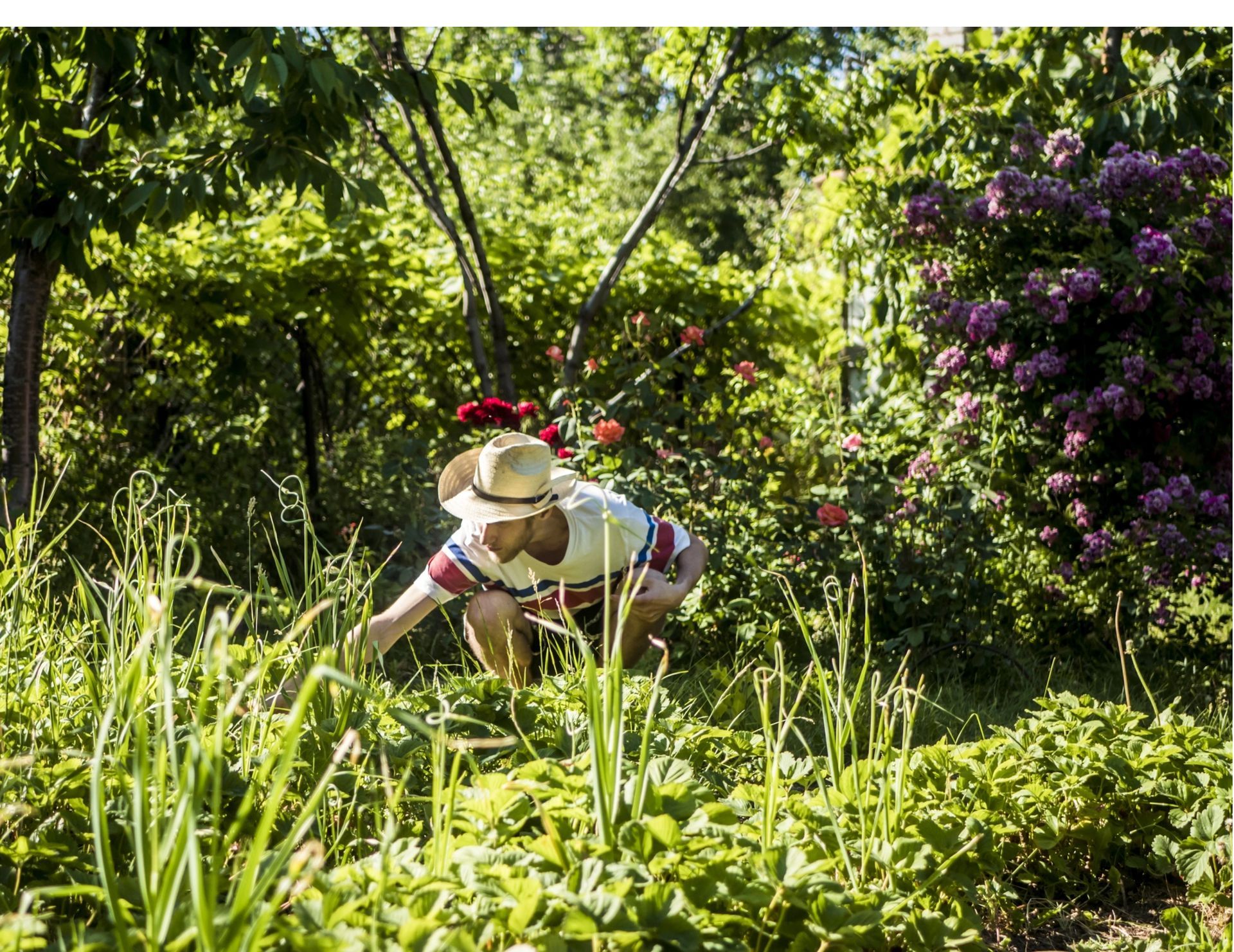
It turns out, quite a lot. One of the biggest lessons of ecological design is that the healthiest landscapes never depend on a single species doing all the work. Yes, that’s right gardeners, we can let nature do more of the work. Healthy ecosystems spread responsibility across thousands of relationships. We’ve all probably heard of some of the most famous ecosystem powerhouses: Mycorrhizal fungi help plant roots distribute nutrients to each other underground. Native bees pollinate plants, allowing them to fruit and reproduce. Predatory insects keep pest insects in balance. Bats belong in this list too, though they are unfairly quite less mentioned, even among ecologists.

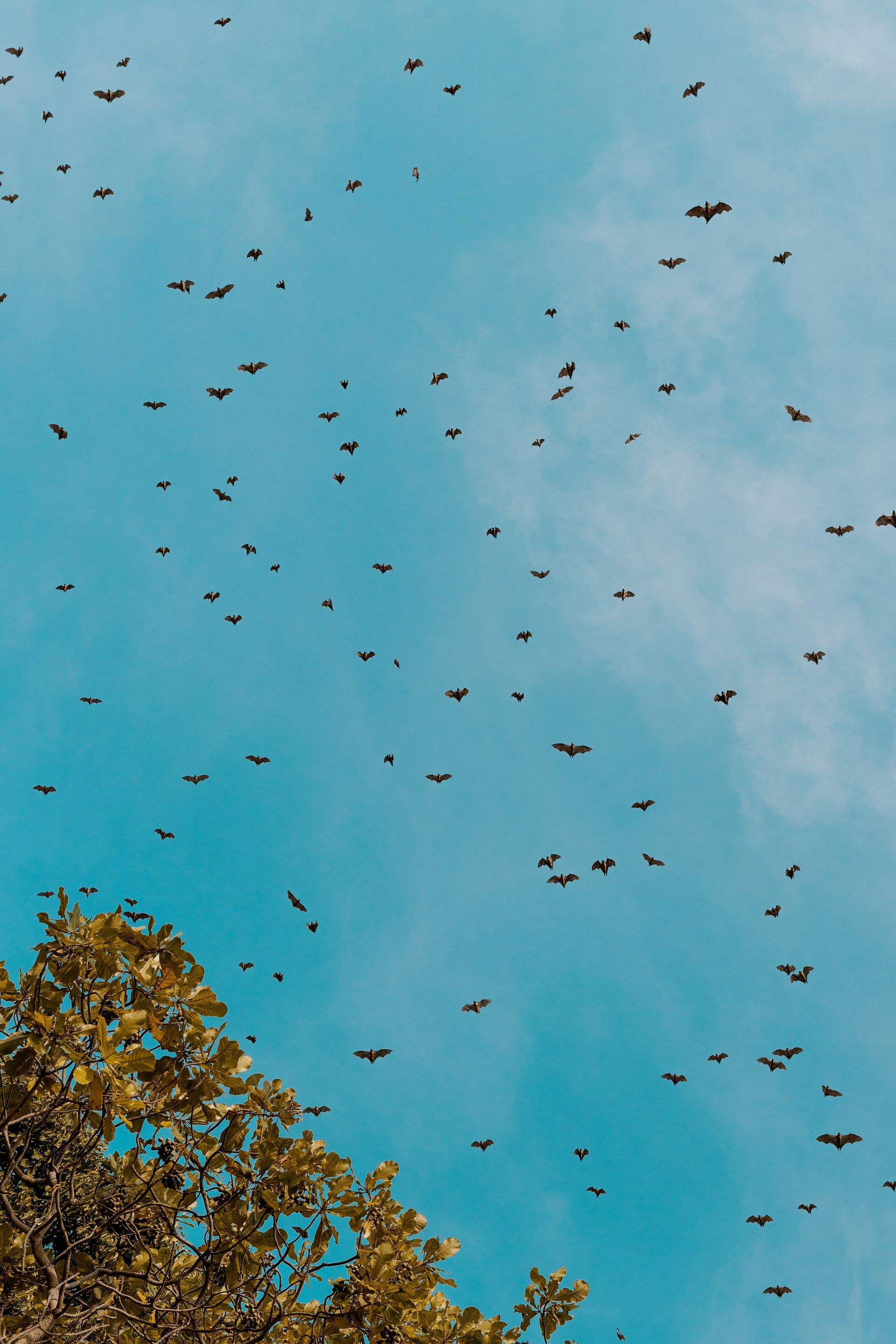
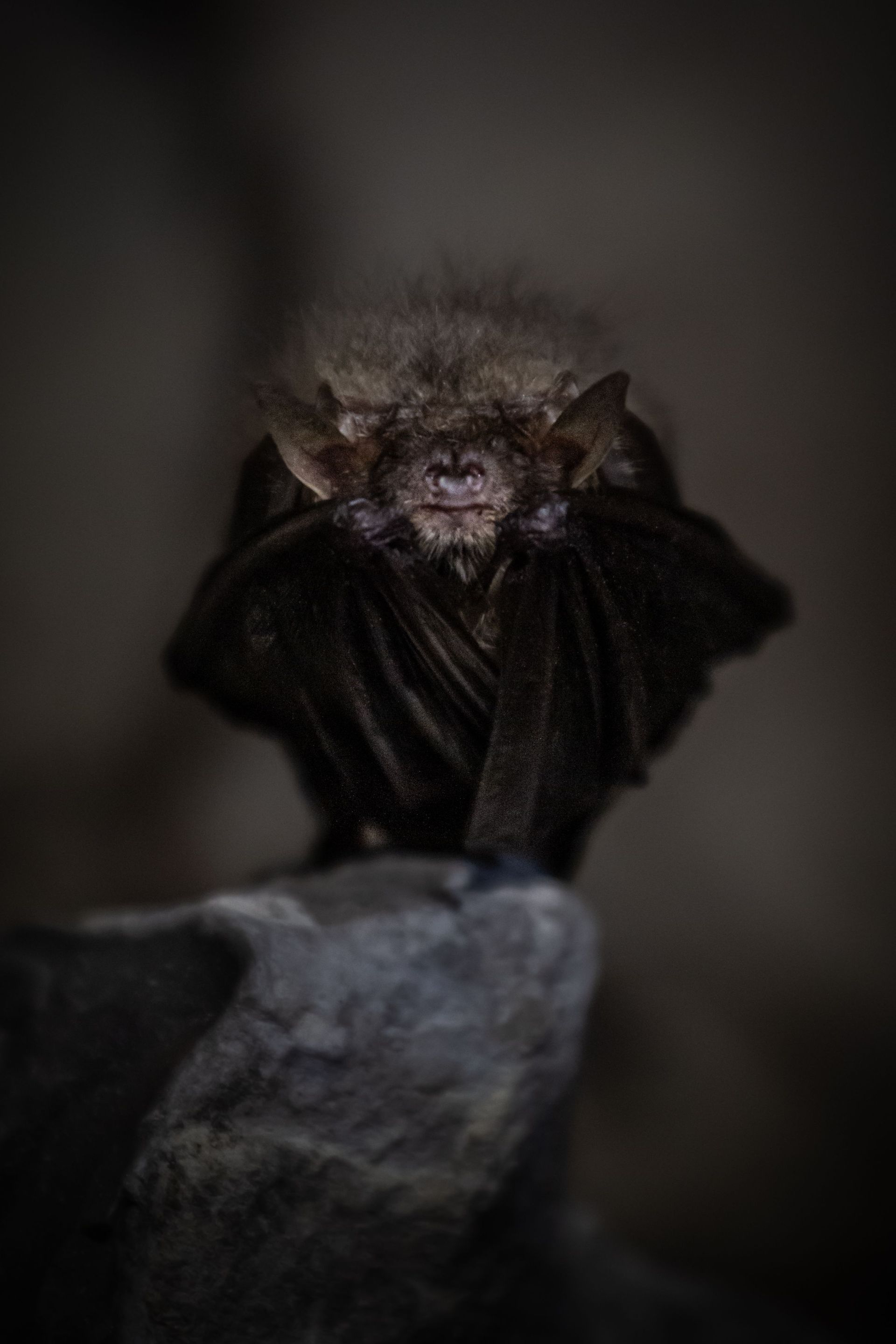
As dusk rolls around in Central Texas, bats emerge from under bridges, caves, hollow trees, and eaves of buildings to hunt. They can be found especially nearby water sources in all sorts of places, from neighborhoods, orchards, ranches, wilderness areas, and– as Austin, Texas’ famous bat bridge proves, even in dense urban areas.
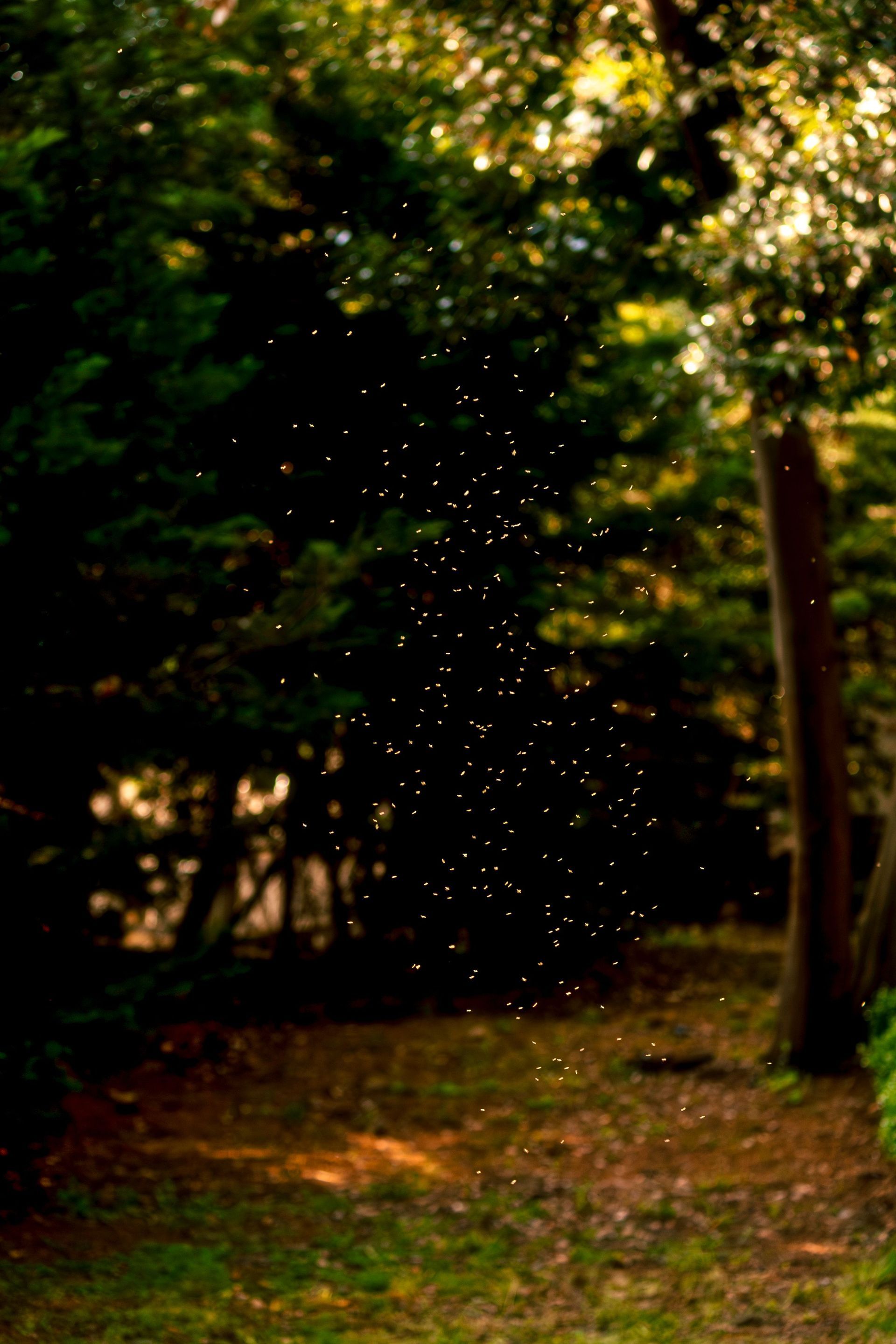
Texas supports more than thirty species of bats, and most of them are insectivores. Their diet is surprisingly diverse. Mosquitoes are certainly on the menu, but they also eat flies, termites, gnats, flying ants, stink bugs, and much more. A single bat can remove thousands of insects from the air in one evening.

In a food forest, this matters a lot. Many moth species lay caterpillars that feed on fruit trees. Beetles damage leaves, flowers, and fruit. Bats become part of a much larger system of checks and balances, reducing pest pressure before it reaches the point where heavier intervention is needed. And, unlike harsh chemical alternatives, they don’t reduce the insect number to zero, ensuring that the ecosystem stays well-rounded, and continues to support the layers of the food chain steadily.
Bats don’t require much from us at all to invite them into our ecosystems. And if we do, they repay us with one of the most effective forms of safe, organic pest management available. Even some of the largest pecan orchards in Central Texas have taken on the task of incorporating bats into their orchard management.
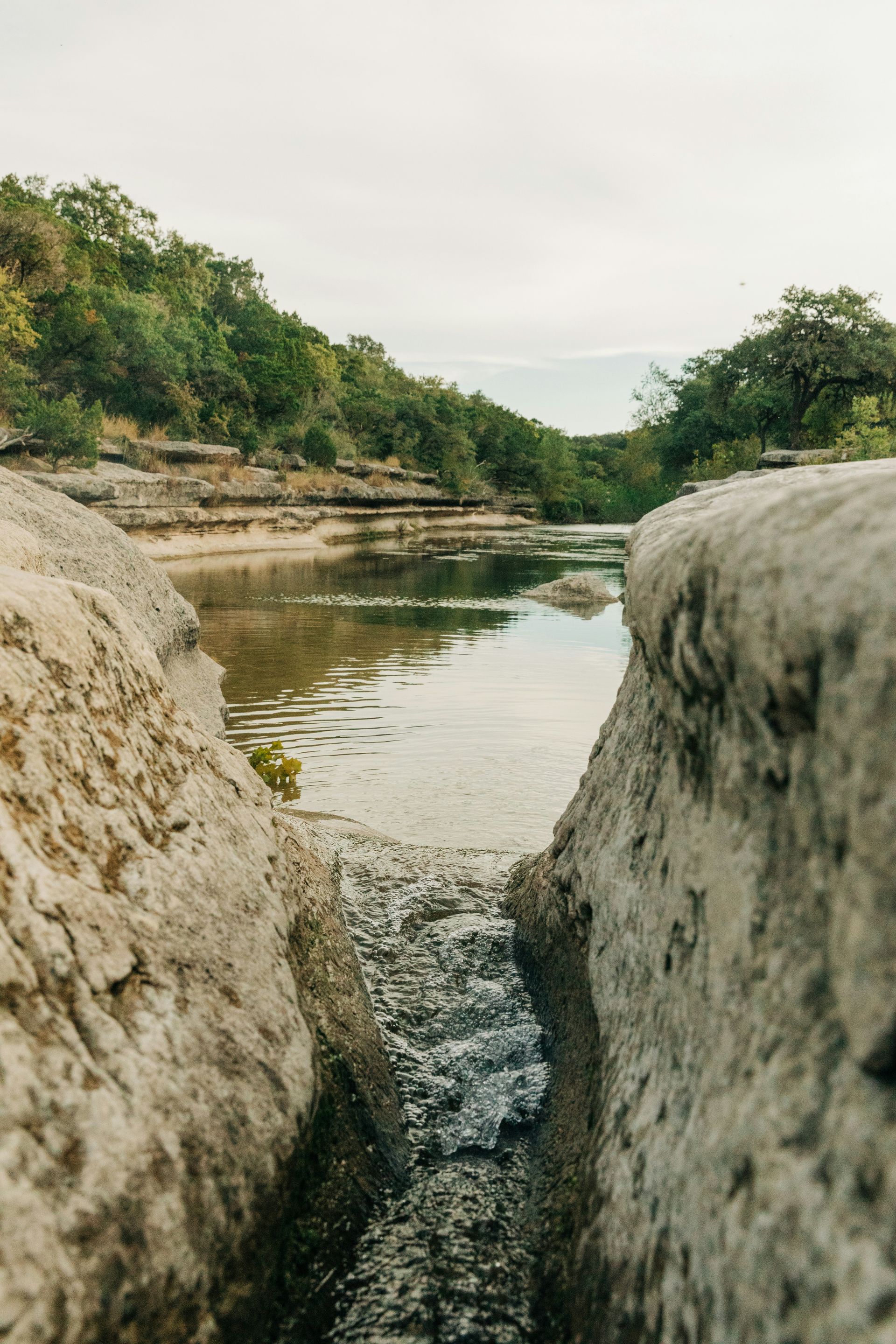
People often associate bats with caves, but they also live in a variety of other roosting types, and the surrounding landscape matters just as much as the roost. They need clean bodies of water nearby because they drink while flying, skimming the surface of ponds, stock tanks, rivers, or creeks. They benefit from landscapes with layers of vegetation that support a steady supply of insects throughout the growing season. Native grasses, groundcovers, flowering shrubs, woodland edges, and a wide variety of trees all contribute to that food web. Hmm, sounds just like a food forest, doesn’t it?

Eliminating pesticide use protects the insects bats depend upon, and protects all the members of the ecosystem from harmful chemicals. Mature trees with loose bark or cavities should be preserved whenever they can be safely retained. This is a natural place that bats will often roost or rest. These elements increase the likelihood that bats will not only visit your property, but continue coming back year after year.

When designing a bat habitat, you must think like a bat. Their main criteria for a perch is: Is it the right temperature, and is it safe from predators? Successful bat houses are usually mounted on poles or buildings instead of trees, placed twelve to twenty feet above the ground, and positioned away from branches where predators can perch. They should be installed near open flight paths and within reach of reliable water. If you do a quick internet search for bat house installation, you will probably get recommended to put the bat house in an area that gets long hours of direct sunlight. Those are referring to northern climates. In Central Texas, summer temperatures can easily overheat the boxes. You want to put it in an area with about three hours of morning sun, and shade in the afternoon.
Different bat species forage at different heights, eat different insects, and use different kinds of habitat. While some bats’ contribution to the ecosystem is pollinating agaves and cacti, fertilizing soil, and even providing a food source for hawks, owls, and other predators, I’d say that their greatest contribution is pest control. And Central Texas is famous for its Mexican free-tailed bats, who are excellent at this. Their nightly flights have become one of the state's most recognizable wildlife spectacles of the region in the warmer months of the year.

Perhaps the biggest gift bats offer to us though, is a lesson in permaculture. That the most impressive solutions might be nearly invisible in a landscape. It might arrive after dark for the night shift, to carry on with pest control duty while we sleep. When bats choose to call a landscape home, they are responding to more than just the presence of a bat box mounted to a wall. They are telling us the land is ready to become a diverse, thriving community.
A food forest is never just a collection of plants. It is an agreement between hundreds, even thousands of species, each finding its place and contributing something unique. And a gardener’s role is not to exert ceaseless effort and force to maintain control over a land, but to step back and take a look at the bigger picture, and maybe notice how the silent flicker of a bat’s wings is speeding across the night sky to capture its meal, and save you and your garden from becoming a meal to all the myriad of pests. They are true friends and stewards of a healthy permaculture garden. I hope this article inspires you to get expert help to incorporate bats into your landscape project! Feel free to fill out our contact form for more information, and check out the premiere film screening of
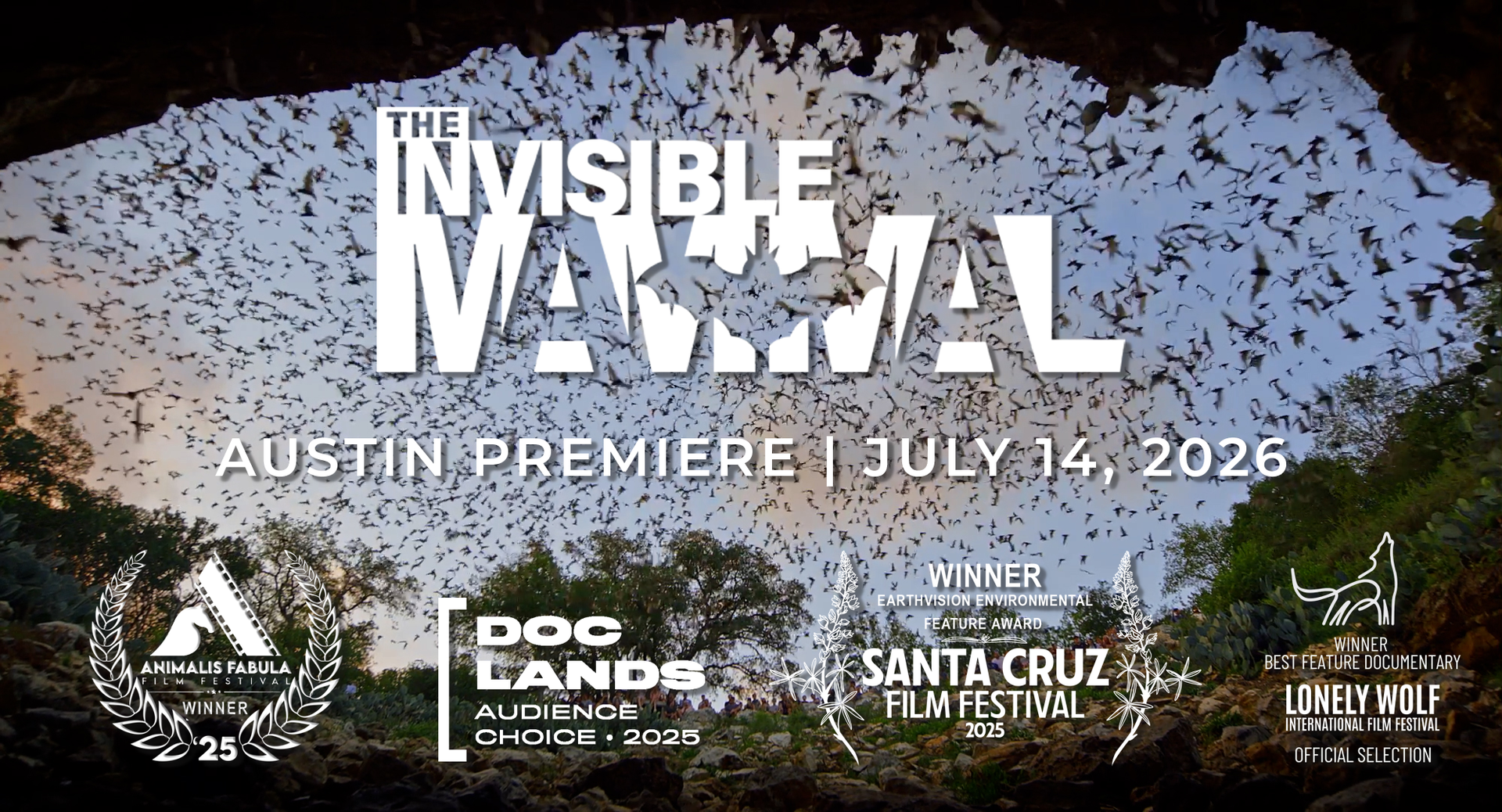
The Invisible Mammal, an award-winning documentary about bat conservation upcoming in Austin at AFS Cinema this month:
Meet director Kristin Tièche, producer Matthew Podolsky, cinematographer Skip Hobbie, and castmember Dr. Winifred Frick, Chief Scientist of Bat Conservation International for a Q and A at the end.
See you there!