Our Team
Marlo Weekley
Founder, Lead Designer
Marlo is a visionary ecologist and the founder of Forest Fruits Permaculture. Her journey into the regenerative movement began when she joined food-justice advocate and artist Hugh Pocock’s Sustainability and Social Justice group at the Maryland Institute College of Art in 2010.
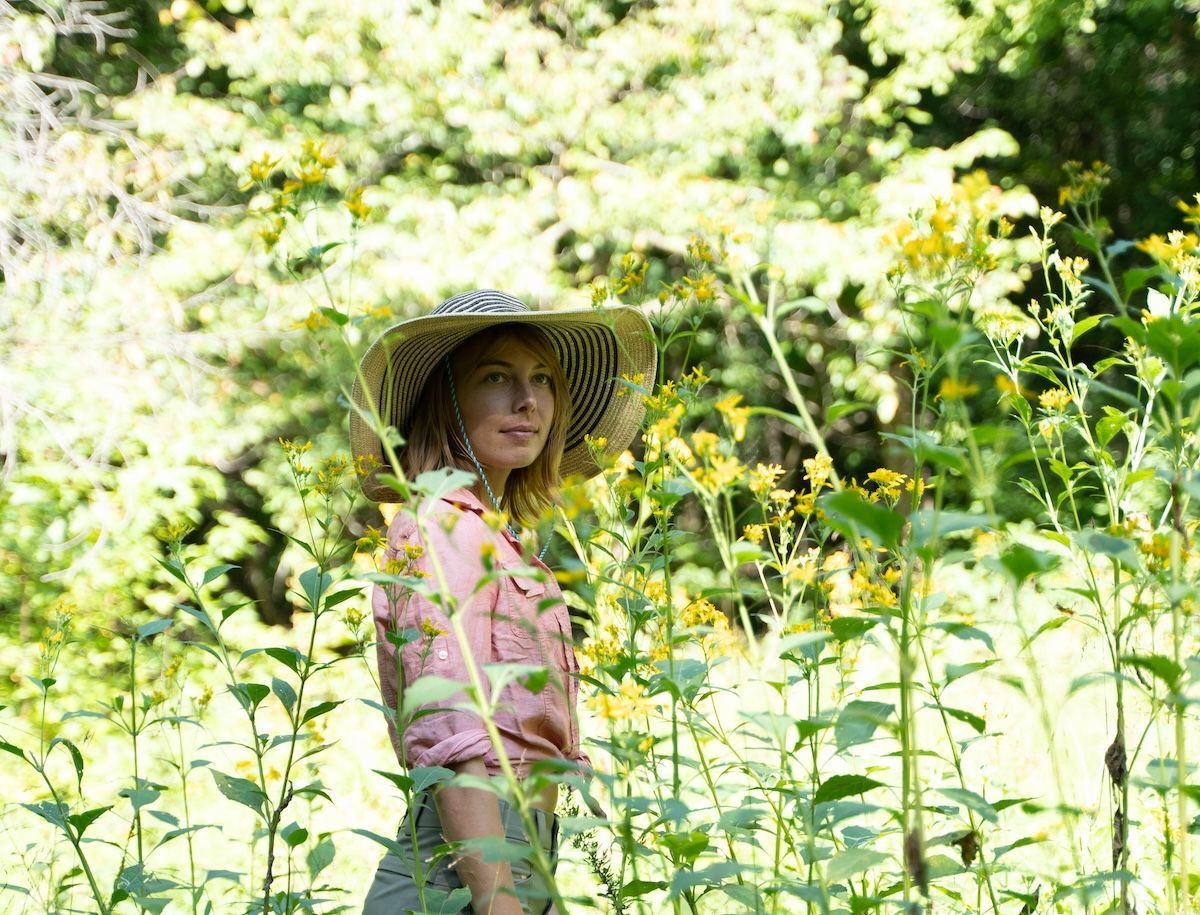
“I am a practicing permaculturist of over fifteen years, but first and foremost, I am an artist. I have been an artist my whole life; a painter, an illustrator, and a mixed media artist. I could spend my whole day mixing and exploring color pallets to portray my philosophies and political concepts. But when I learned that the world needed healing even more than it needed art, I changed the course of my career path to pursue regenerative design.
And when I came to really understand permaculture, I came to view that as an art form as well. The world needs more permaculture, and it also needs more beauty: places of hope that provide a beacon for the making of a new civilization that is healthy and just— through and through, and responsible with its methods of industry and resource management." — Marlo
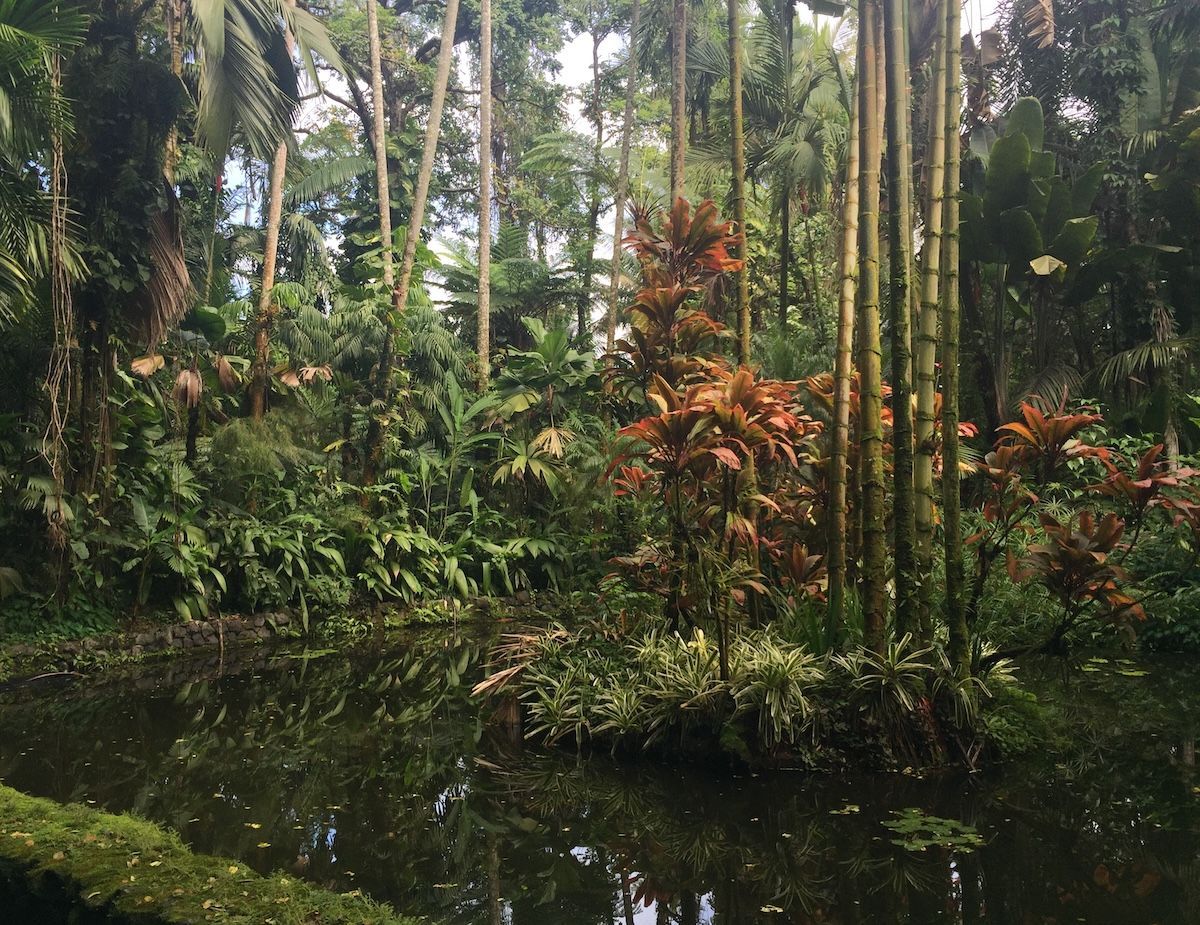
After visiting several urban and rural permaculture sites in New England during her time in art school, she traveled to the West Coast to obtain her Permaculture Design Certificate (PDC) at the Regenerative Leadership Institute on a historic farm of the Underground Railroad in Los Altos Hills, CA.
Urged to gather every ounce of knowledge, experience, and immersion into all the different ways people live close to the earth, a PDC was only the beginning. She discovered her own methods to care for the land, and for each other, together in synergy with the great web of diverse life on Earth. There was so much more to be discovered through the lessons of ancestors and stories of the past, and the greatest challenge would be to do this in a context of modern science and conventional land stewardship.
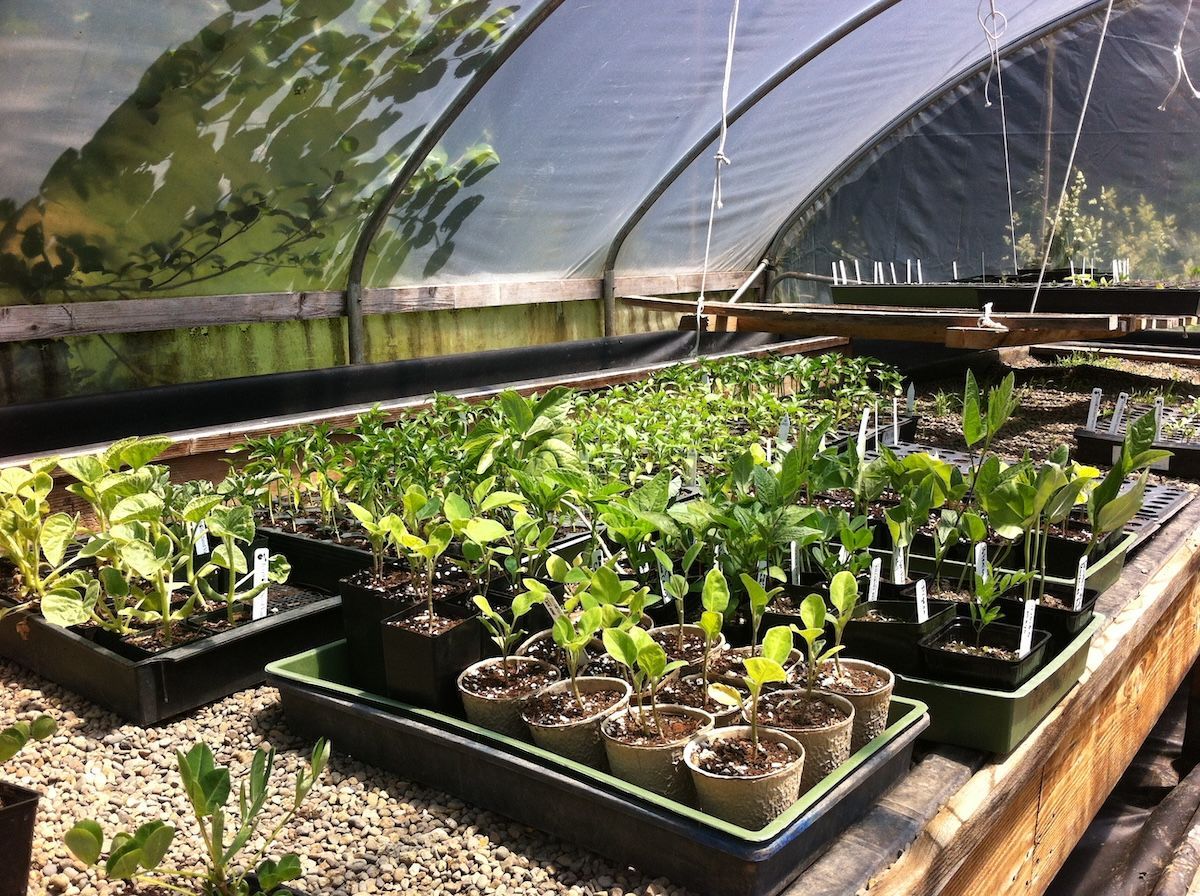
During a political theater apprenticeship on an organic farm in rural Vermont, she discovered a liberal arts program in which to pursue answers to pressing questions about ecology, anthropology, and specifically what caused such a divide between the two. This program enabled her to discover answers to these questions through real, hands-on experience on vastly different ecological sites across the country.
She spent over 2 years at Aprovecho Sustainability Education Center in Cottage Grove, OR caretaking the 40 acre nearly-off-grid permaculture community that fed over 30 people.
Continuing her journey, she contributed to several more regenerative sites, including:
Students of Sustainability, the EF Journal House, the Passion Vine Farm, Ampersand Sustainable Learning Center, Twin Oaks Community, Baltimore Montessori Public Charter School's Seed to Table Program, La Casita Azul, Satellite Artist Residency of the Arts & Culture Lab, Thrivendale, Forest Sanctuary of the One, Mickey Kleinhenz's Inwood Eden, and more.
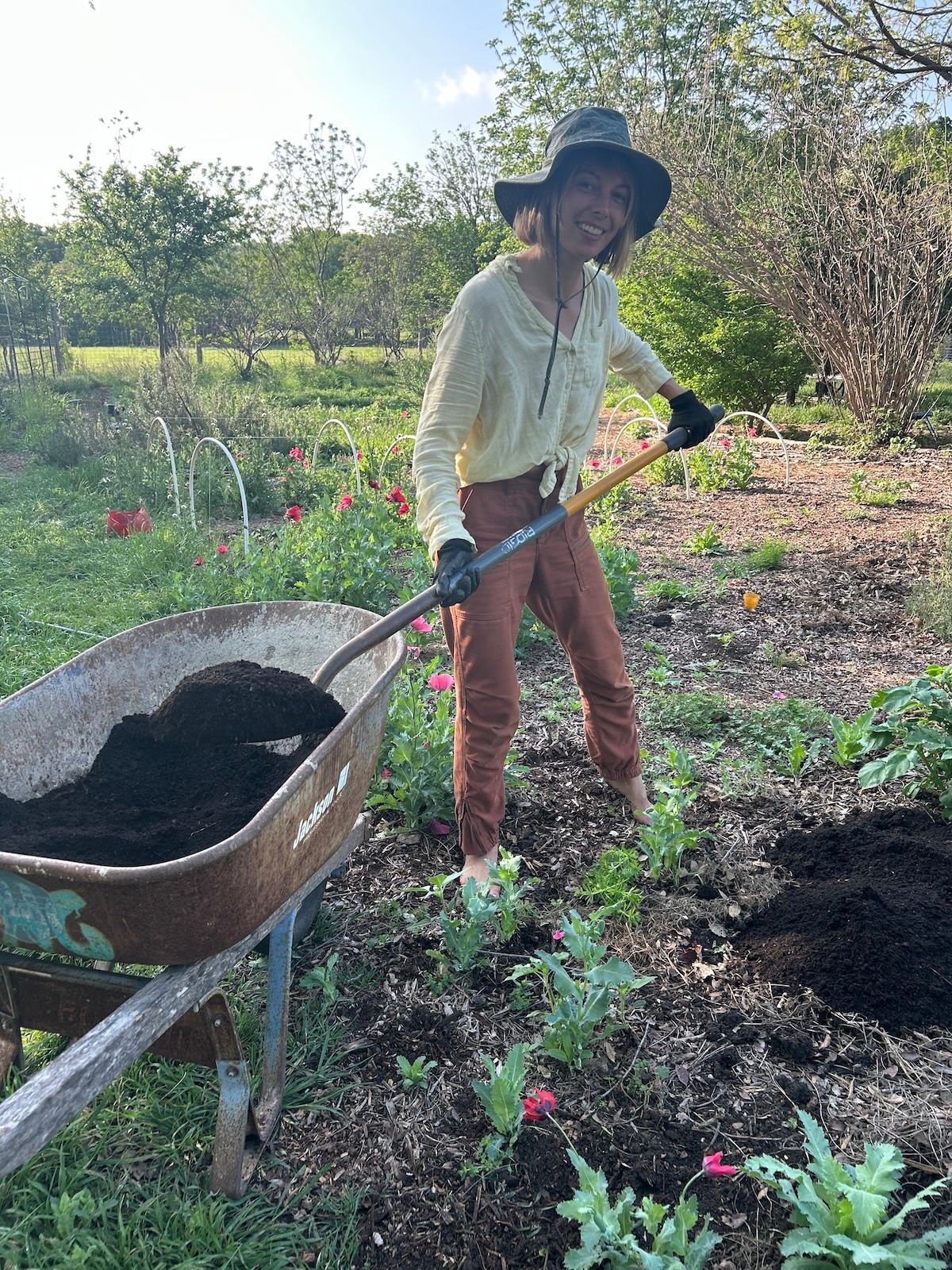
Fast forward to now, after spending a decade in boots-on-the-ground professional permaculture work, from sustainable landscaping crews to designing, implementing, and maintaining permaculture landscapes independently across the US.
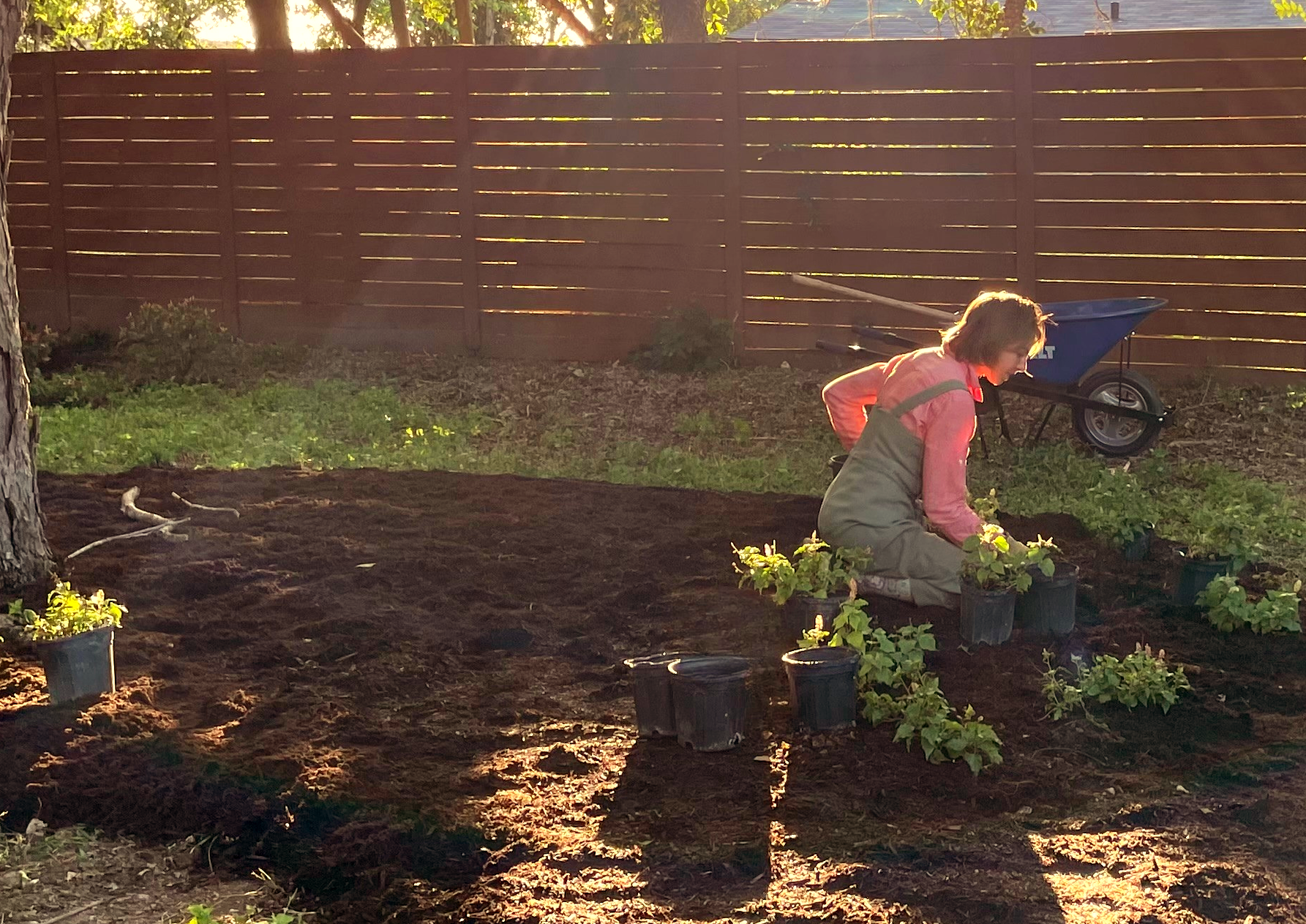
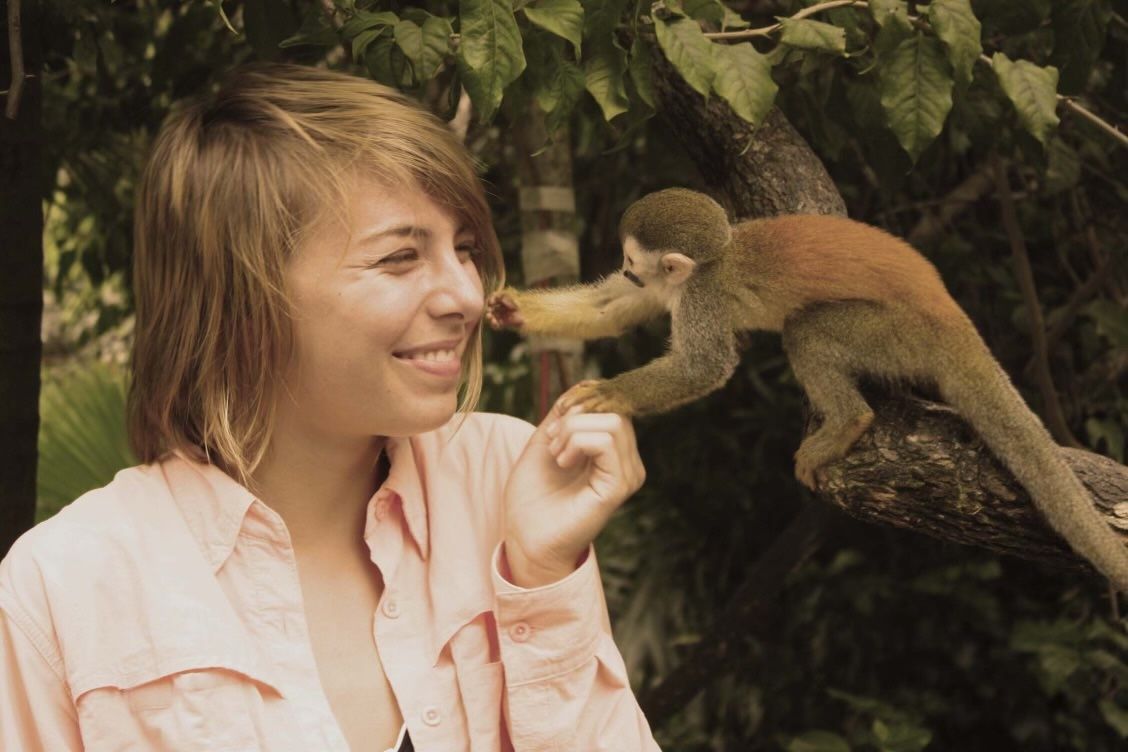
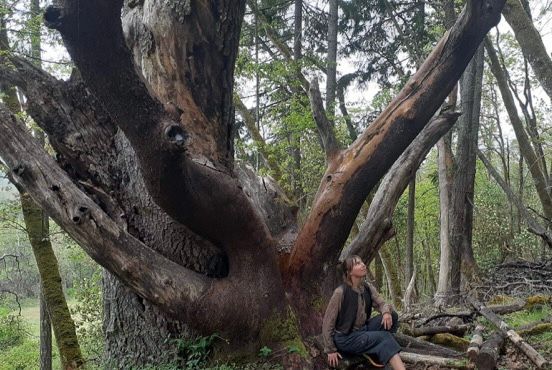
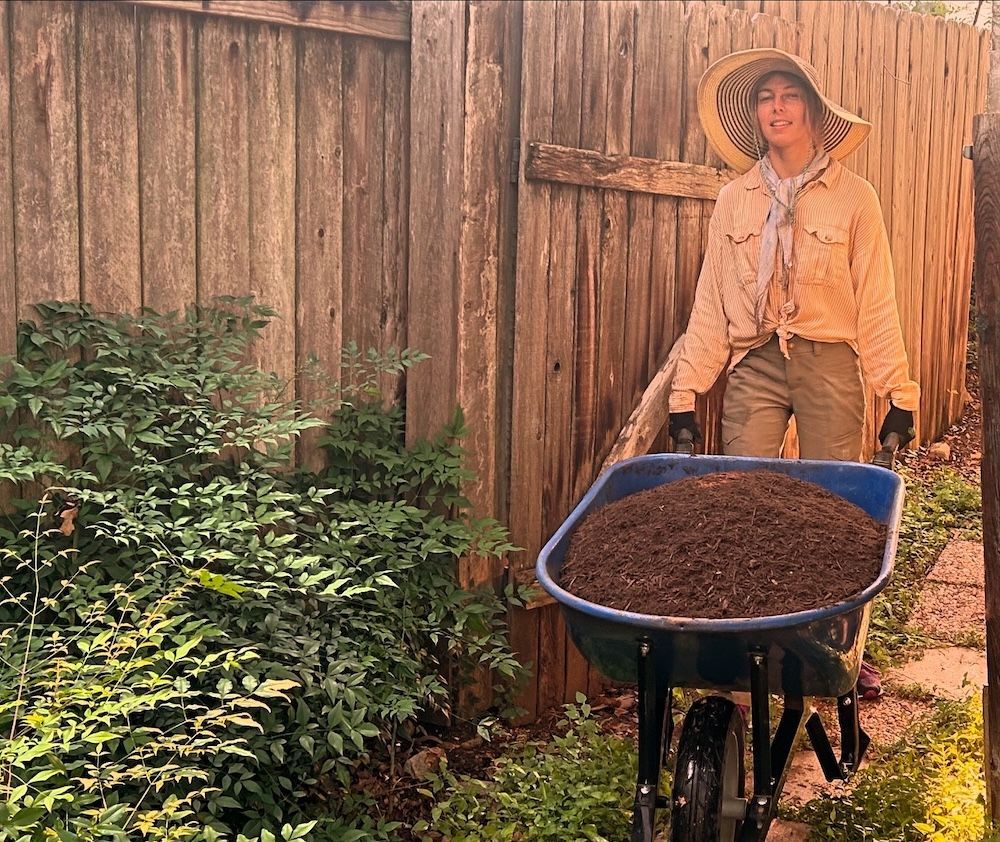
Her expertise today includes everything from rain gardens to rare edible plant propagation. She has contributed her skills in urban and rural settings spanning across Texas, Maryland, Washington, Oregon, and Florida, and Costa Rica. She is currently honing her craft of regenerative land management and education alongside her passion for eco-conscious hospitality and innovative experience curation, by partnering with eco-retreat centers and event organizers in Florida, Texas, and beyond.
Elizabeth Levick
Permaculture Designer

Elizabeth Levick stands at the leading edge of regenerative design with over a decade of hands-on experience in ecological estate management in both the United States and France. With a Master’s of Architecture from the University of Colorado Denver and Design-Build Certification from the Colorado Building Workshop, she is our go-to for construction-ready detail, making all of our projects practical, beautiful, and built to last.
Elizabeth began her ecological path early on at the Regenerative Community Design at Hampshire College’s School of Architecture, where she studied green building, herbalism, permaculture, and community organizing. This led her to obtain her Permaculture Design Certificate from the renowned Naropa University in 2018. Elizabeth’s applied work spans regions and cultures, serving as a permaculture designer and estate manager in Boulder, Colorado and Montréal, France. Her passionate work is rooted in the belief that design has the power to not only repair ecosystems, but also strengthen communities, and truly bring a regenerative future for humanity into functional form.
We have two choices for the future:
We can work together to take care of the Earth and each other, or we can keep doing things the way we’ve been doing it, and watch things fall apart.
The future is in your hands.