Projects and Experience
On-Contour Large Scale Syntropic Agroforestry
Protopia Community | Alajuela Province, Costa Rica
On a 35-acre regenerative community and retreat center in the Monteverde Cloud Forest region of Northern Costa Rica, this project utilized and enhanced the natural topography to sequester and slow down the movement of rainfall and gravity-irrigated river water to nurture a syntropic agroforestry system that will provide a perennial food source to both residents and visitors of the land for generations to come.
In an area where heavy rainfall, steep terrain, and rich biodiversity present both challenges and opportunities for regenerative design, we managed to combine education, ecological conservation, food production, and passive design. The contour method, in this case using only the power of people and hand tools, enhances soil fertility, reduces erosion, and creates favorable micro-climates for diverse and useful plant communities.
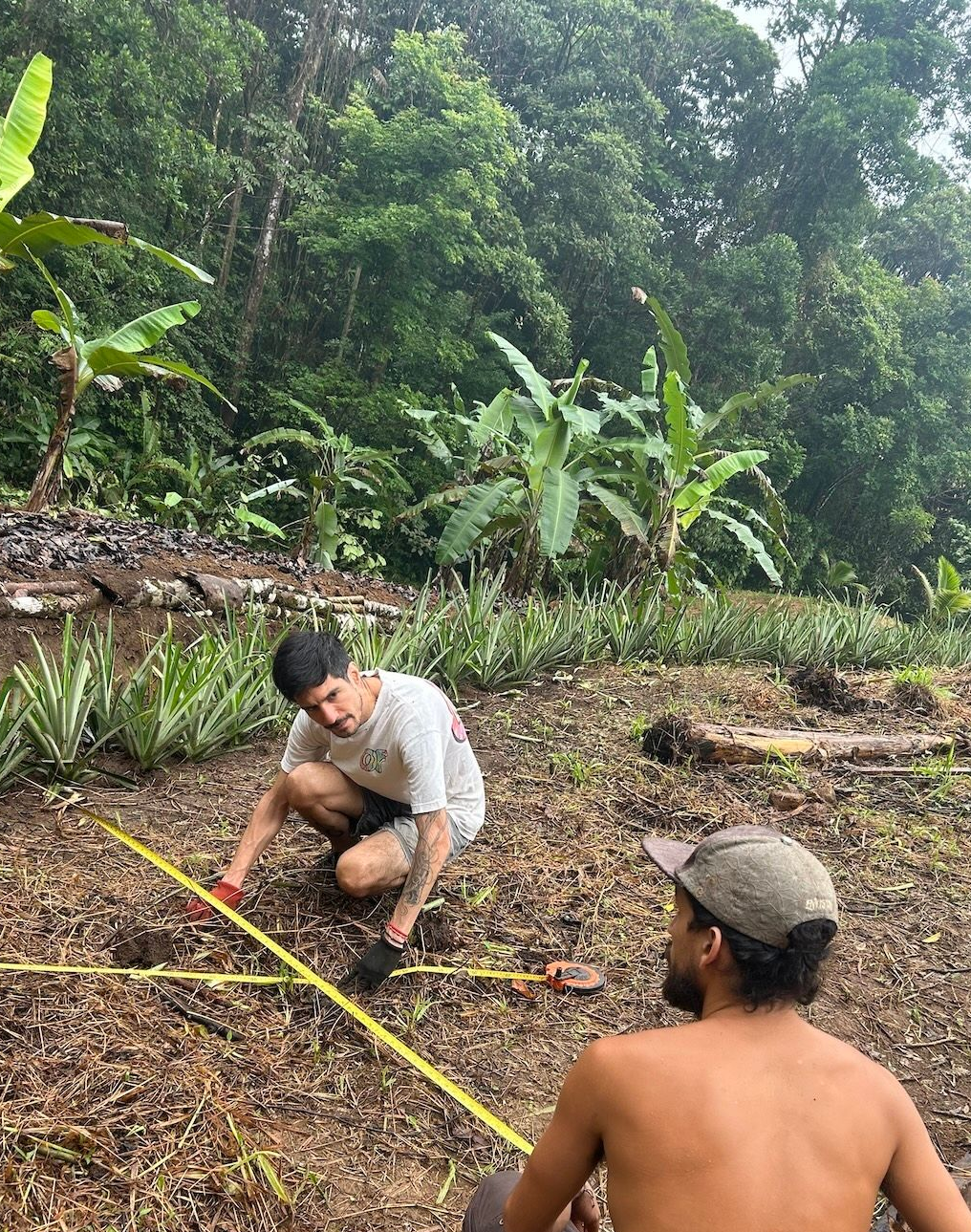
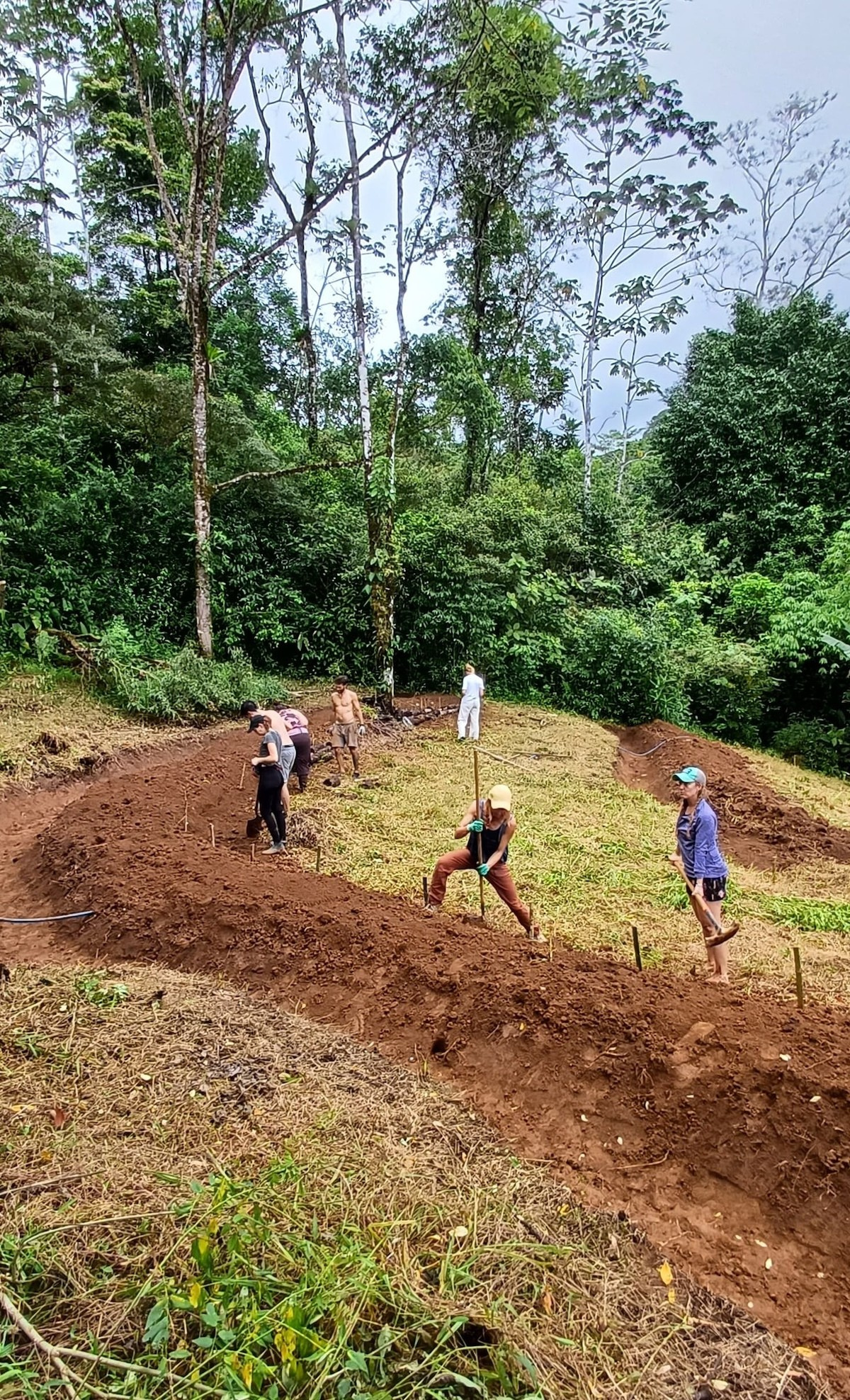
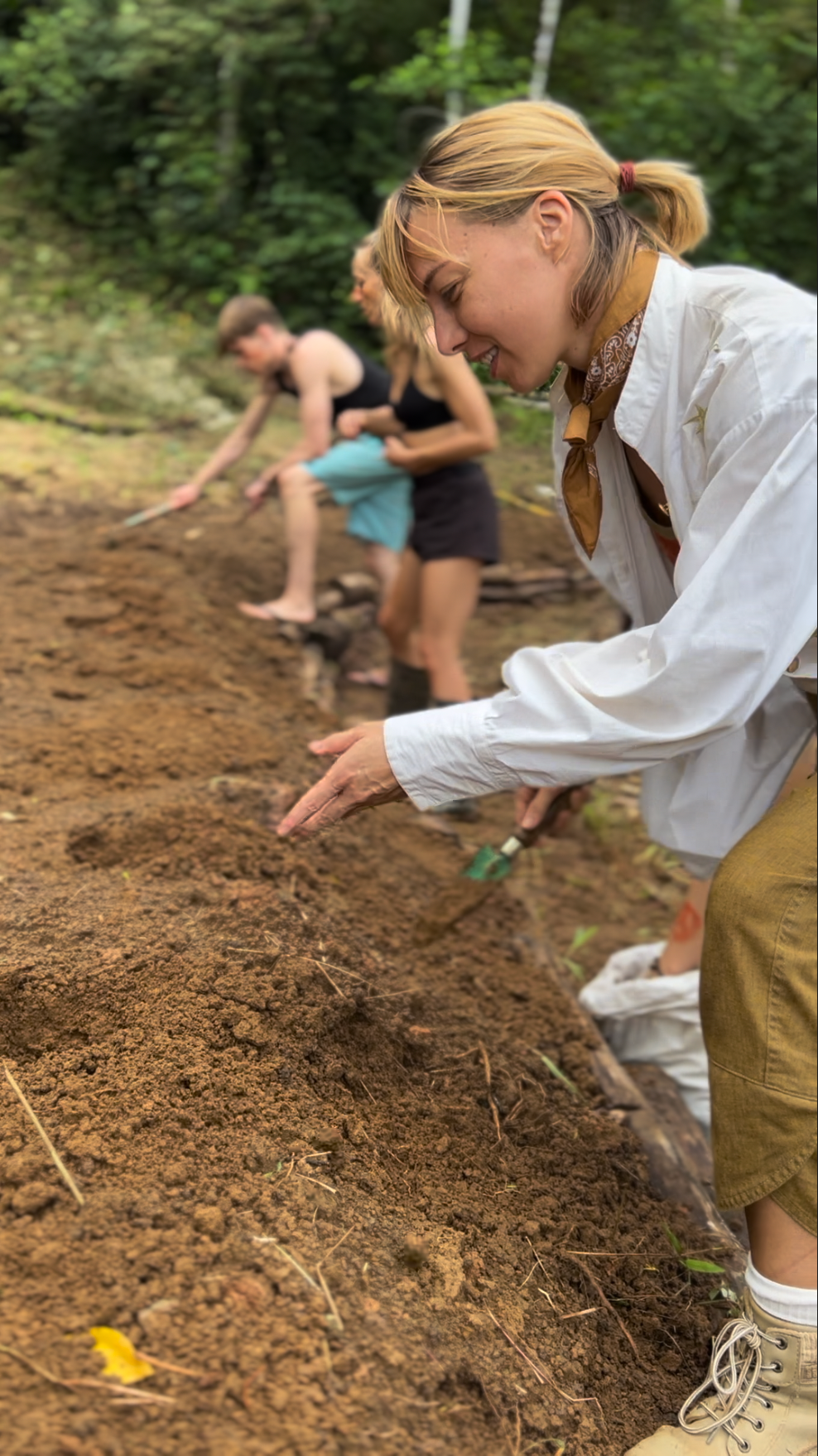
Plantings included pineapple, Surinam cherry, ginger, taro root, bananas, yucca, vetiver grass, mango, avocado, and balsa wood, arranged to maximize ecological function and yield. The system will also be supported by sustainable bio-factories producing compost varieties, bio-ferments, and other biological ammendments all made locally on-site. This installation serves as a living demonstration of tropical syntropic agriculture on a large scale, even in a remote area that is not accessible to heavy machinery or construction vehicles.
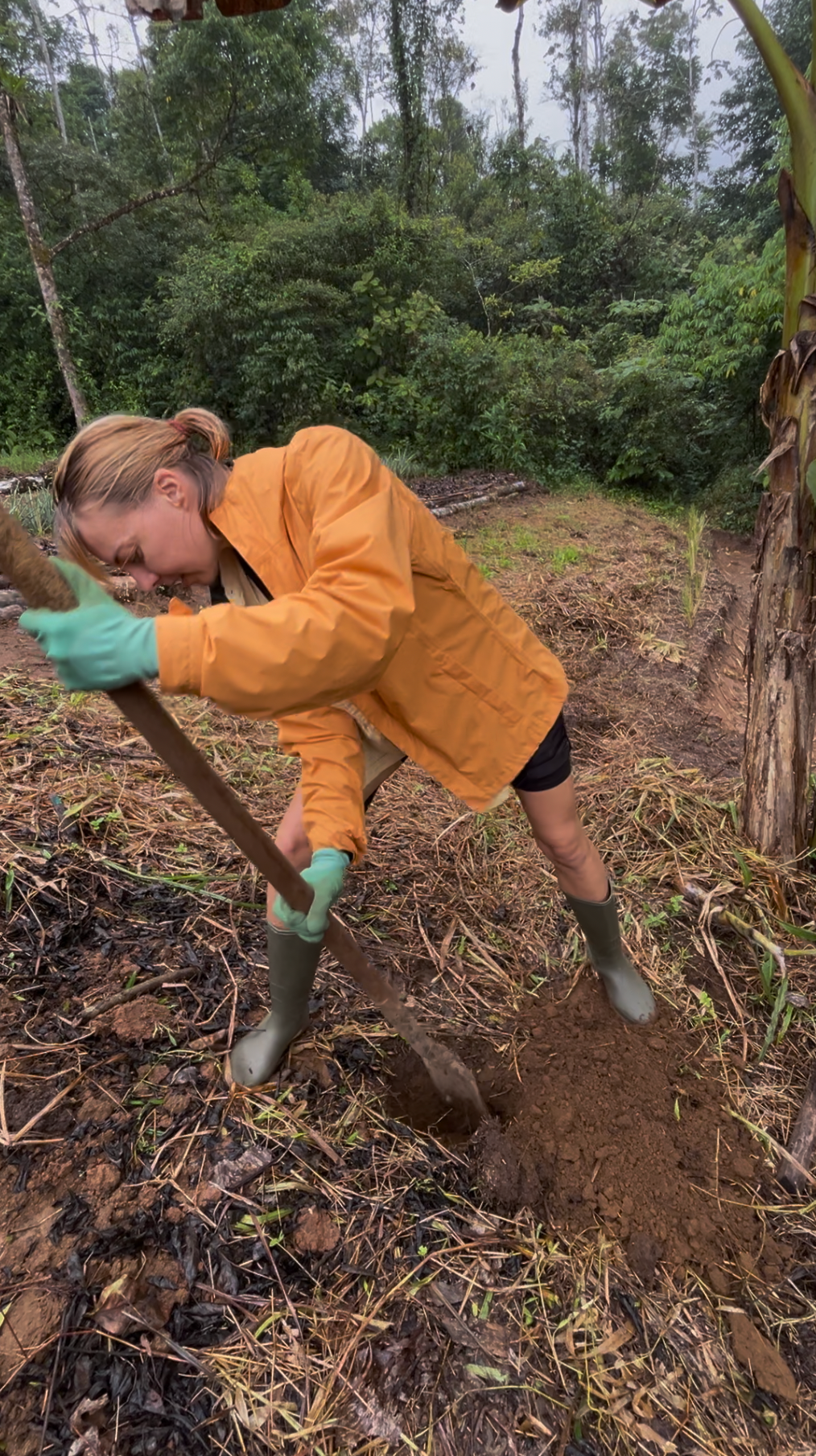
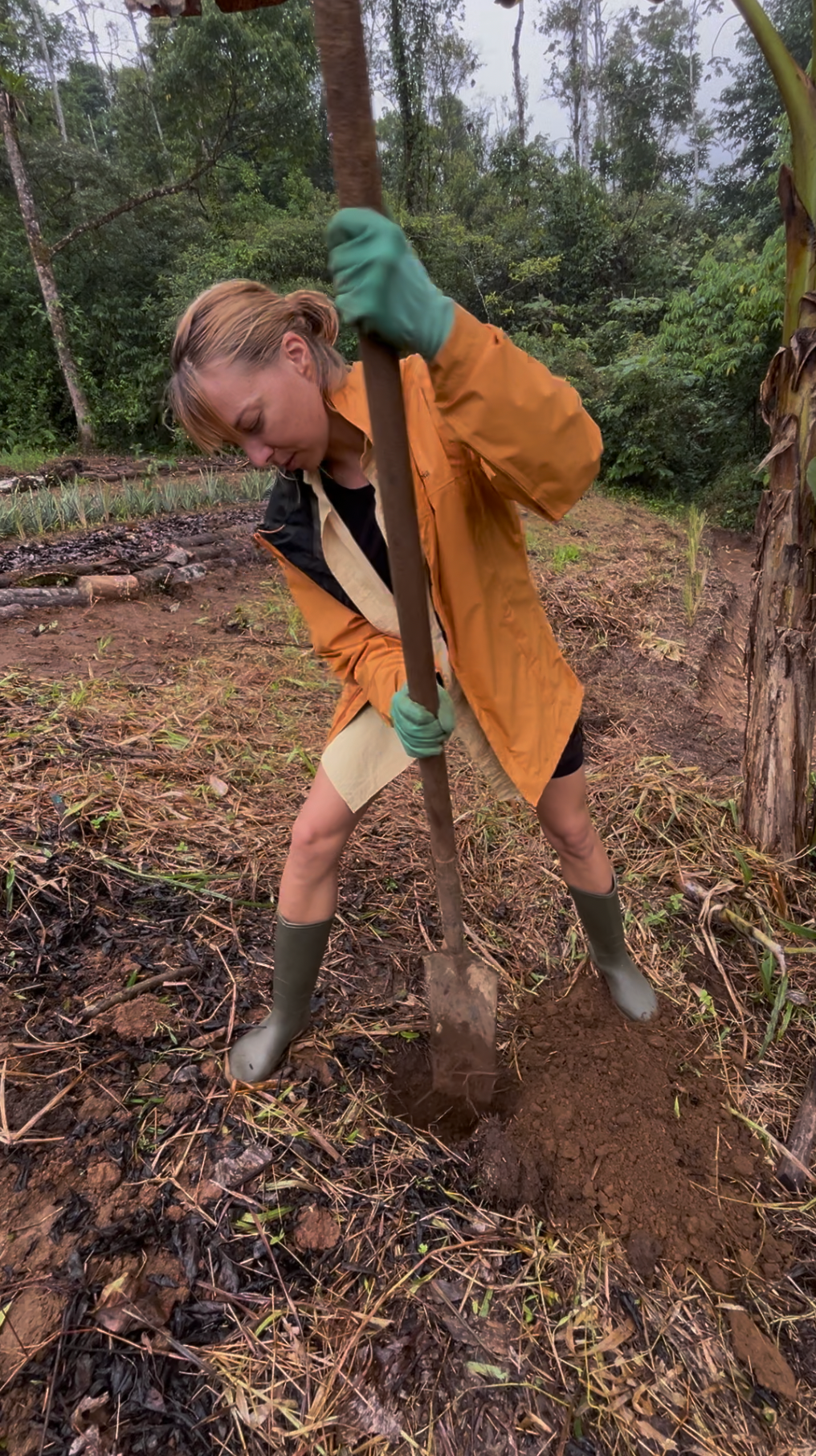
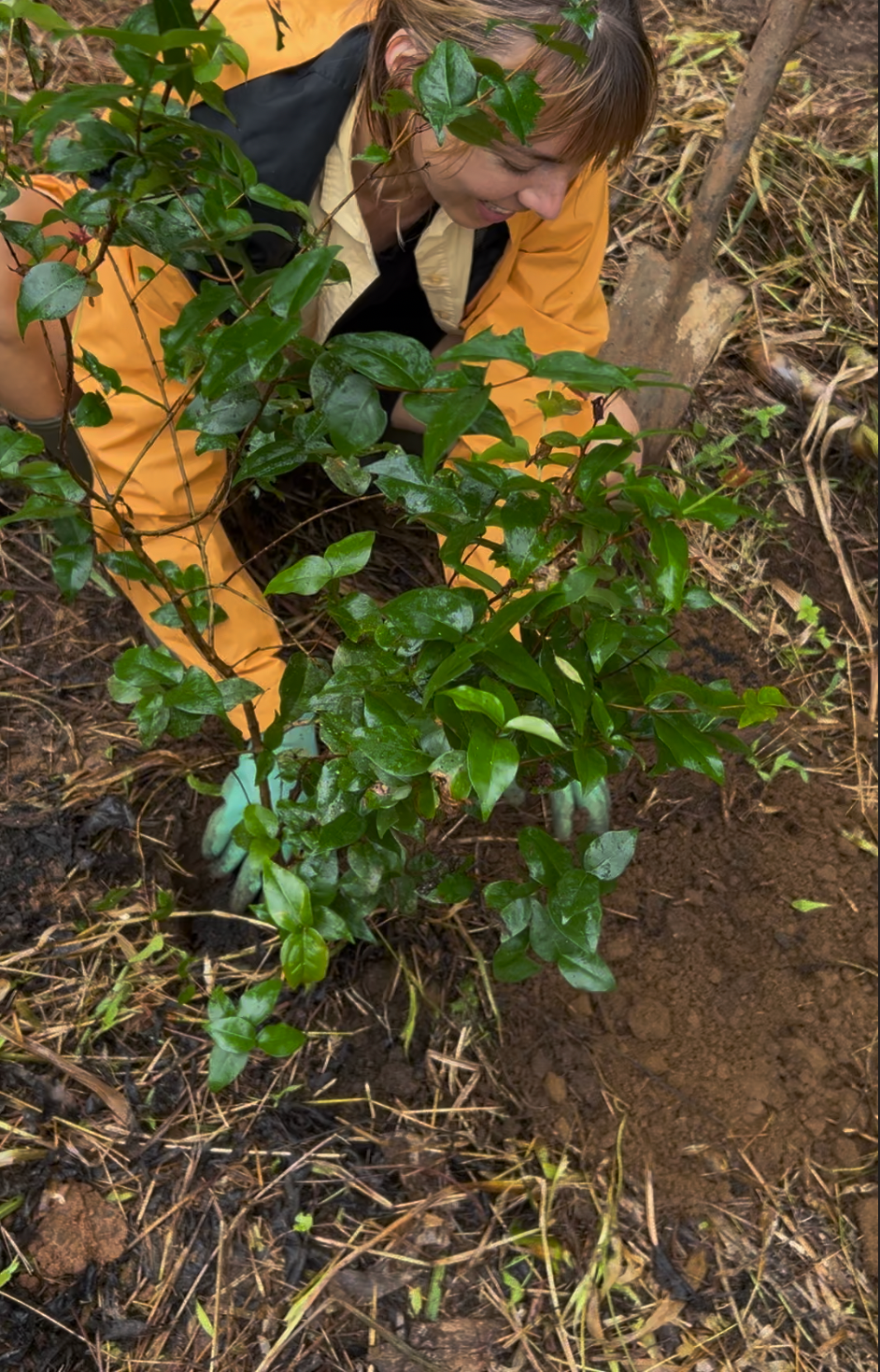
Protopia Community, where this project took place, is a growing off-grid ecovillage and retreat center in the volcanic cloud forest region of Northern Costa Rica. Through natural building, ecological land cultivation, creative expression through arts and healing practices, the community fosters freedom, connection, and well-being while working hard to build an amazing example of what is possible in a sustainable future.
Learn more about Protopia Community.
Wildflower Meadow at Forest Sanctuary of the One
Wimberly, Texas
In 2023, a young couple reached out to us with a unique challenge. They were in the process of developing a retreat center for healing, wellness, and connection to nature. On the land, a central area that was once used for heavy equipment during a hempcrete construction project, had become compacted and barren.
While the couple planned to build a residential structure there in the future, the permitting and construction process was still years away. In the meantime, this central, highly visible space left an eyesore from the view of the main house.

Photo by Corie Bidgood
With a new baby on the way, the family sought a solution that would bring beauty, ecological benefit, and community connection without requiring large investments. Forest Fruits Permaculture stepped in to design a solution. We came up with a plan to transform the disturbed lot into a flourishing wildflower meadow with the help of the community.
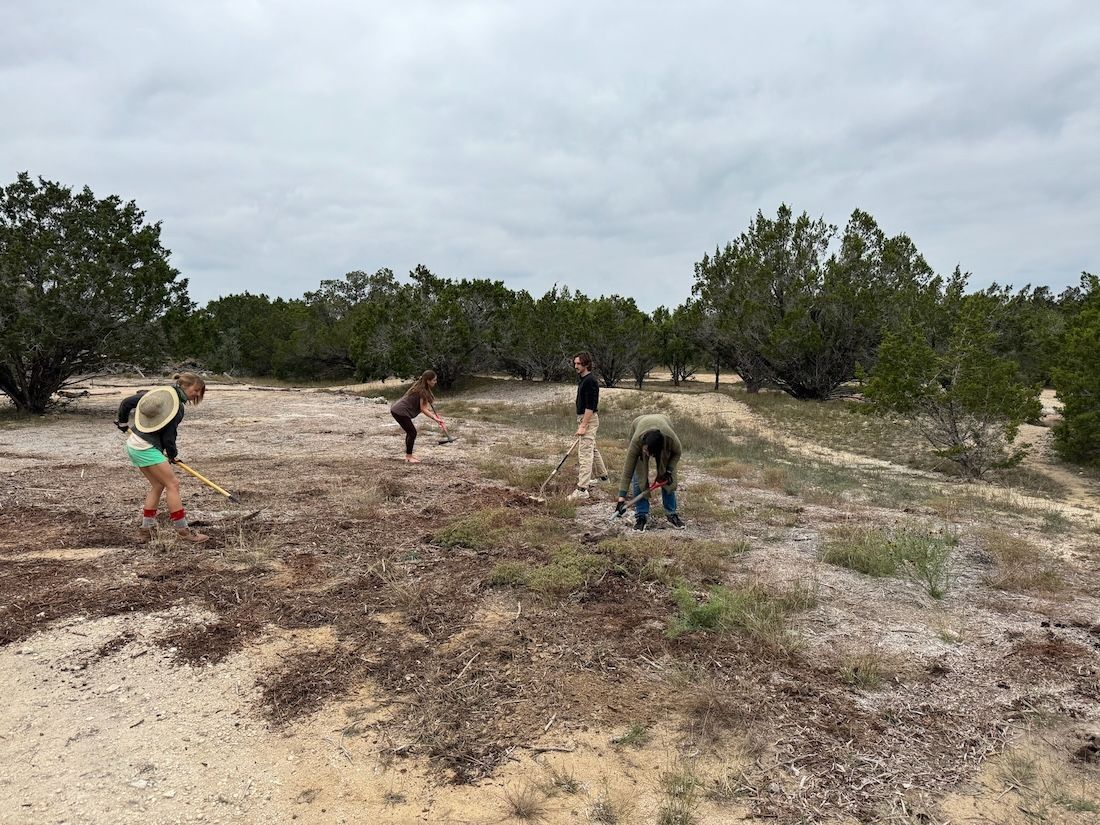
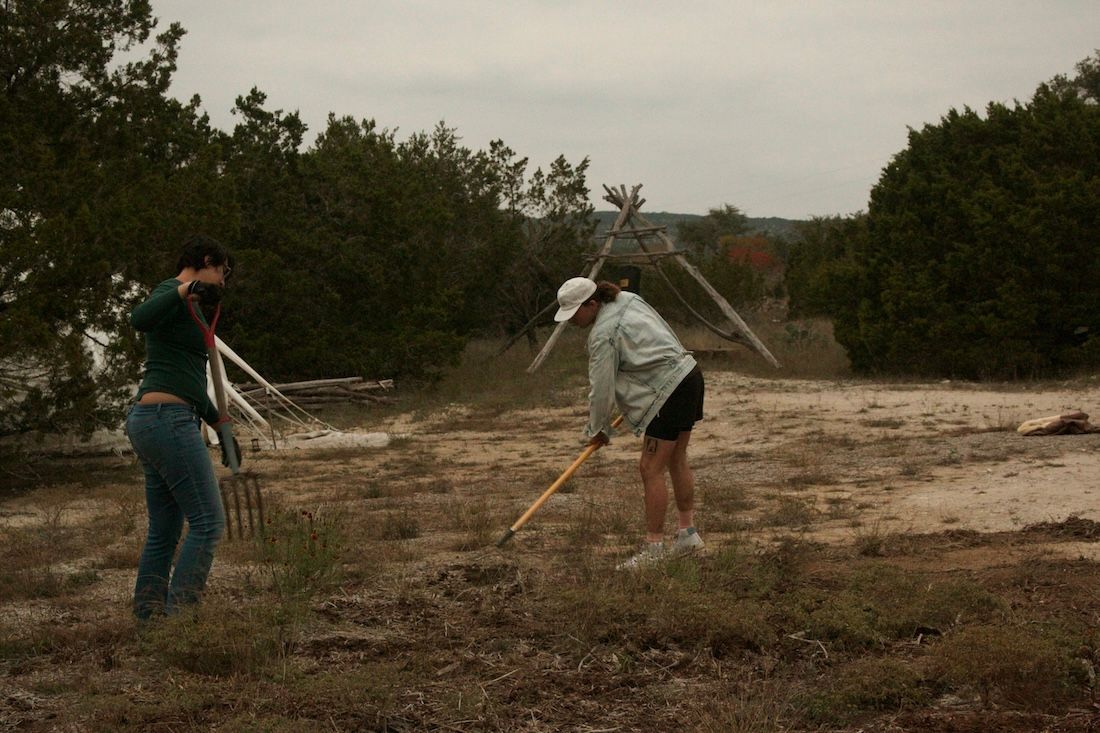
To bring the vision to life, we hosted a beginner-friendly ecological restoration event. Neighbors and friends gathered for a land walk, observing native species already returning to the site, finishing with a native wildflower seed planting. After lots of laughter and meaningful connection, volunteers had covered nearly a quarter-acre in native Central Texas wildflower seed.
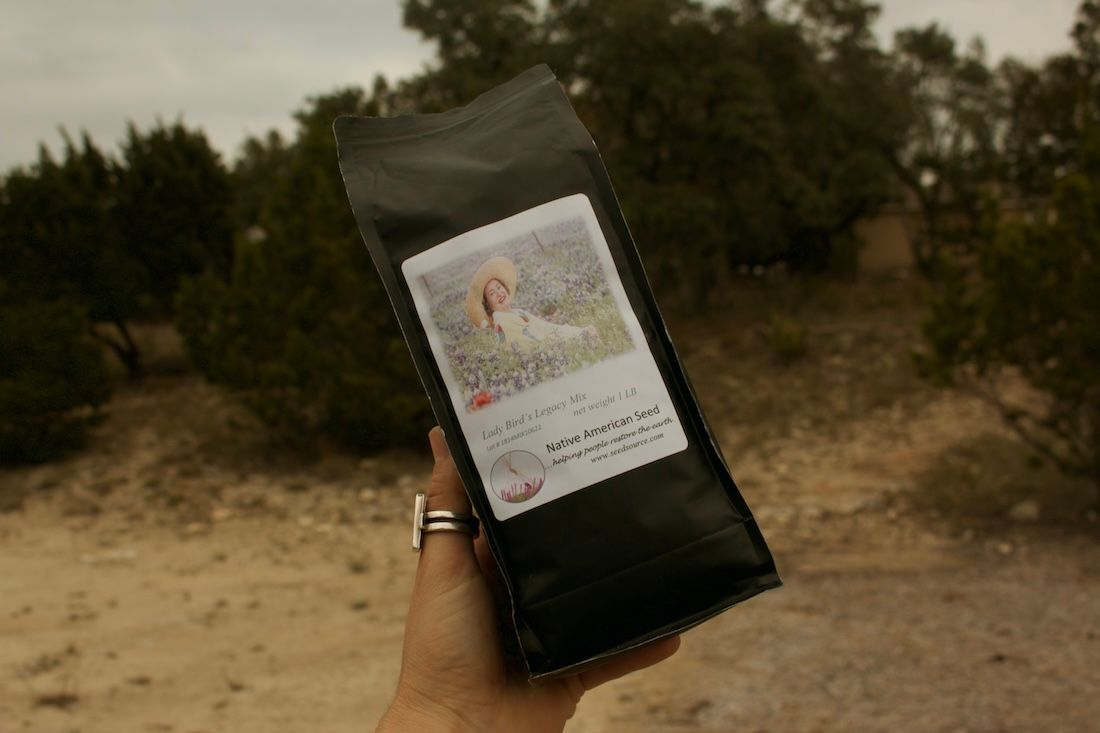
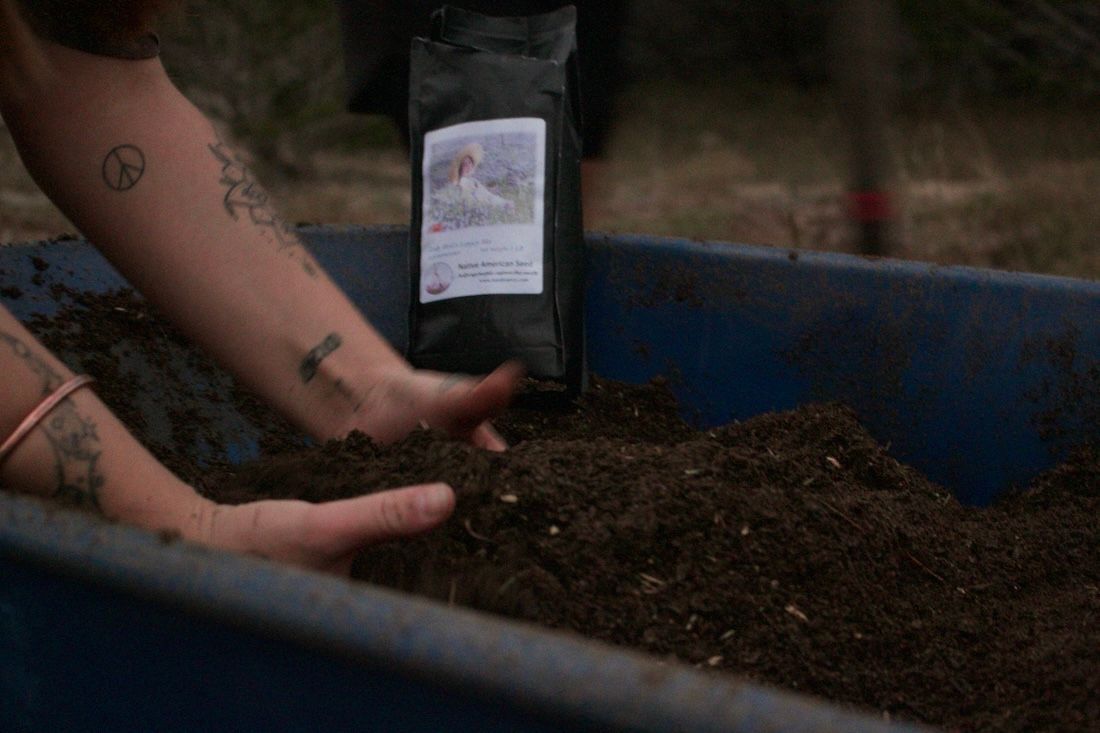
Until future construction begins, the site will thrive as a living sanctuary, alive with seasonal color, the hum of bees and butterflies, and a stunning view for the family and retreat guests. This project reflects the mission of Forest Fruits Permaculture to weave together ecological restoration, community, creativity, and deep care for the land. By saying yes to learning something new and lending a hand for the vision of the retreat center, participants revived a once-barren space into a place for healing and hope.
Perma-CURE Workshop, Solarpunk Summit
Kingsbury, Texas
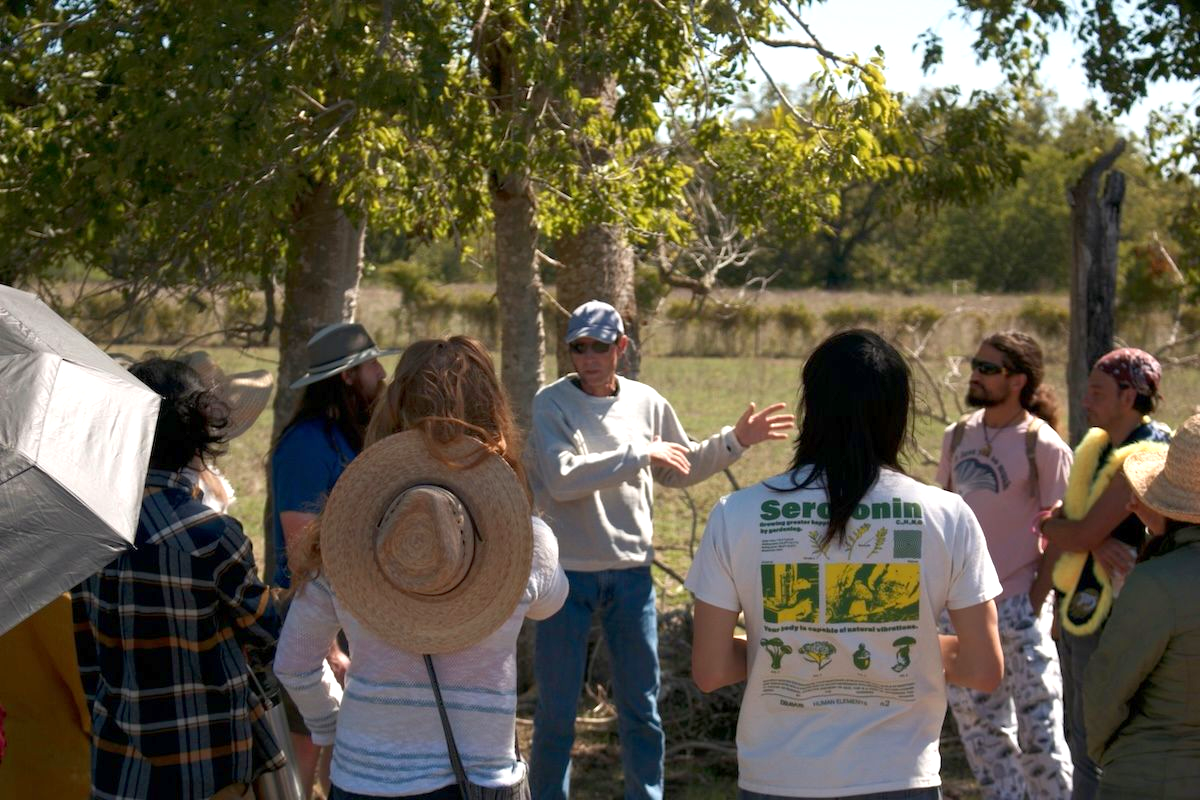
At the 2023 Solarpunk Summit outside Austin, Texas, Marlo led a guided land-walk and discussion where she, alongside engineer and hydrologist Bill Worsham, expanded upon the foundational permaculture principle of observation with her own unique methodology of listening to the land.
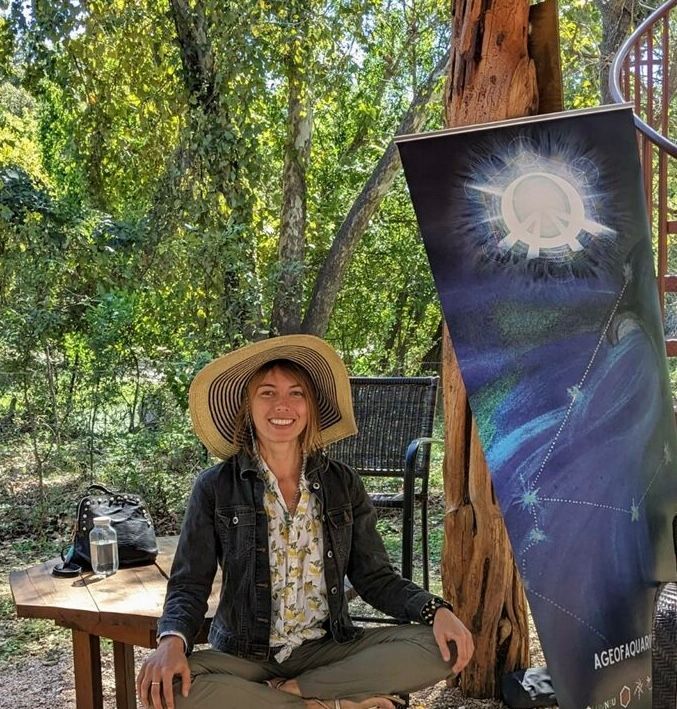
Central Texas has quickly become a cultural hotspot for the still-forming solarpunk movement, defined by radical optimism for a sustainable future. There are many adopters of the idea as simply an artistic genre, similar to steampunk, but it is up to the New Earth leaders to bridge the concept into practical strategies and steps. Bill Worsham had recently acquired land adjacent to the festival grounds, and teamed up with Solarpunk Summit founder Angel Robinson and regenerative futurist Marlo Weekley to brainstorm future collaborations for a permanent hub for solarpunks to work and play.
The summit brings together artists, ecologists, entrepreneurs, and community builders who see the future not as something to deny, but to actively build in the present.


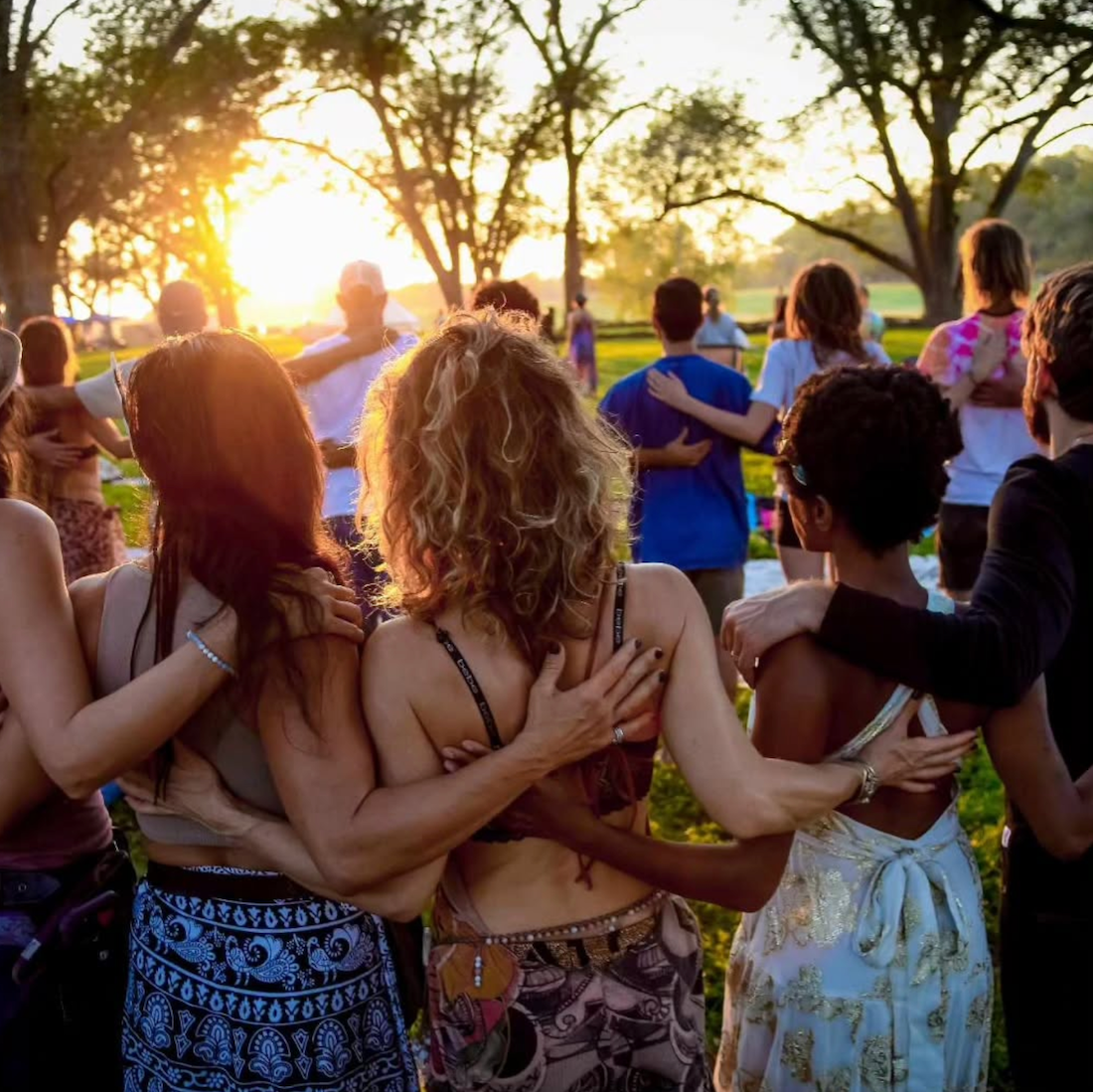
The Perma-CURE Workshop is centered on listening, imagination, and initiation with the spirit of a land as foundational elements of permaculture philosophy. In it, Marlo expanded the often-underestimated first step of permaculture: Observation.
Drawing on techniques refined over a decade of practice, she framed observation not as something passive, but as an active, relational process that sharpens instinct and opens new design possibilities. A key component of this is learning to practice land-acknowledgement as an everyday experience rather than a one-time formality.
Marlo shared a teaching from a mentor: “You never know who’s in the room,” which translates also to wherever you are in a landscape. Existing on, and especially entering a new landscape, is an encounter with histories and relationships that still resonate in that place.
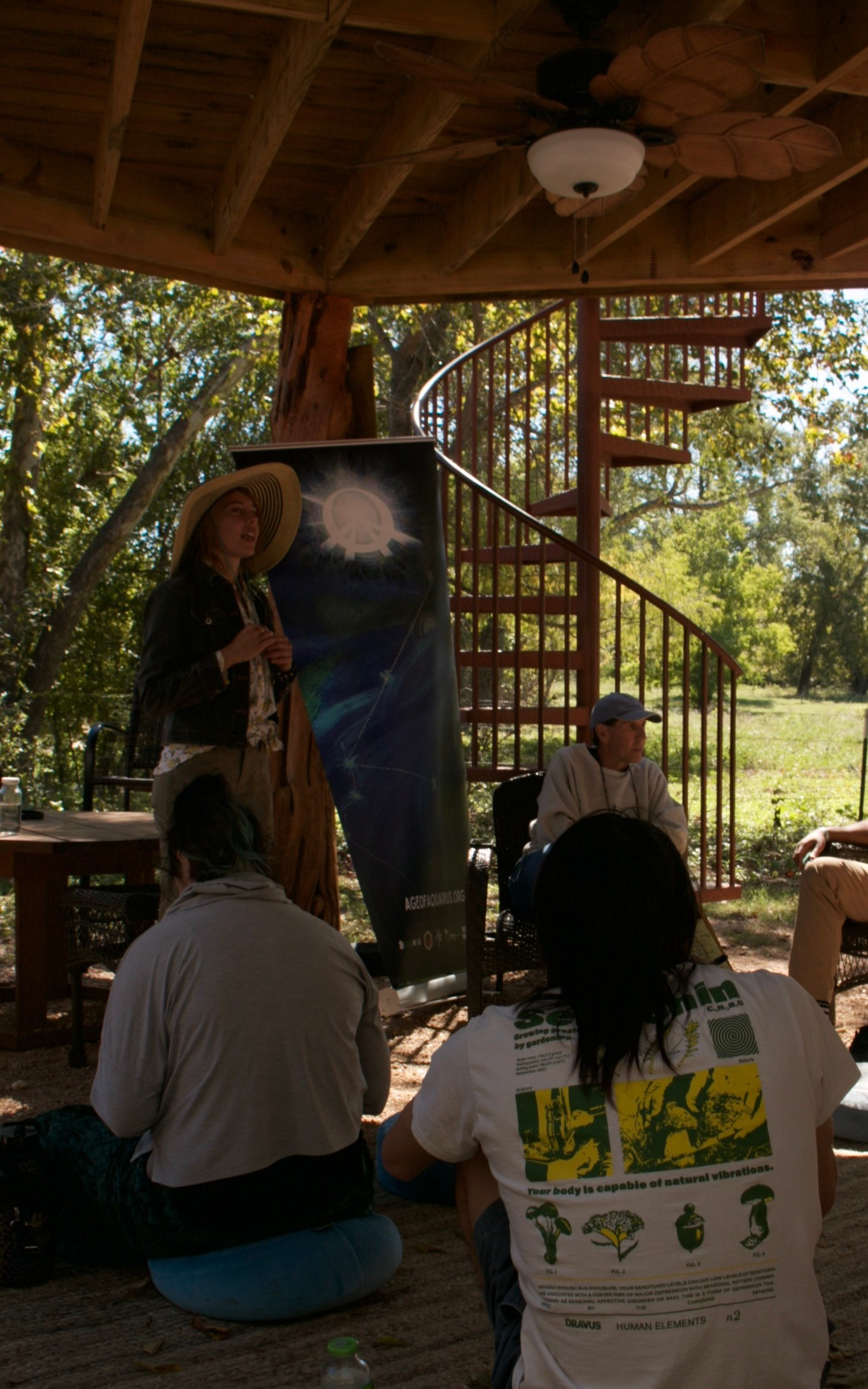
Participants explored what it means to arrive with respect by making offerings, acknowledging the land, and recognizing the importance of listening to local Indigenous elders and lineages.
"The first step in permaculture is so misunderstood. It’s the perfect opportunity to right the wrongs of the past, and set the tone for a future of respectful and responsible land management."
— Marlo
Landscapes of Knowledge Seminar
Kingsbury, Texas
In January 2024, a community gathering took place in Kingsbury, Texas, bringing together environmental advocates and solarpunk practitioners for a day of learning, dialogue, and visioning. This event was the culmination of a vision shared by Yolanda Palomares, Bill Worsham, and Marlo Blythe Weekley, merging ancestral wisdom with contemporary ecological initiatives. What began as a small and simple idea for Mr. Worsham’s ranch became a growing game plan for a long term community resilience strategy.

Bottom left: Still Focus Media
Located at the waterway upstream of the San Marcos River and York Creek convergence, the new land project site offers the perfect opportunity to demonstrate community-led watershed restoration. Attendees engaged with the challenges of eroding waterways, strategies for sustaining biodiversity, and envisioned gathering and dwelling spaces where residents, guests, and wildlife could thrive together.
The way the site is situated between Austin and San Antonio adds to the potential for regional collaboration, positioning the ranch as a nexus for innovative ecological stewardship and a community-driven hub for change. The real work at hand though, is the commitment to Indigenous-led land management and the ongoing work of decolonization.
The gathering began with a speech by Yolanda Palomares, Minister of the Pachamama Native American Church, whose teachings offer insights on ecological healing in the modern age. With her unique medicine-woman perspective, Palomares says that education of our youth is the first step toward real change.

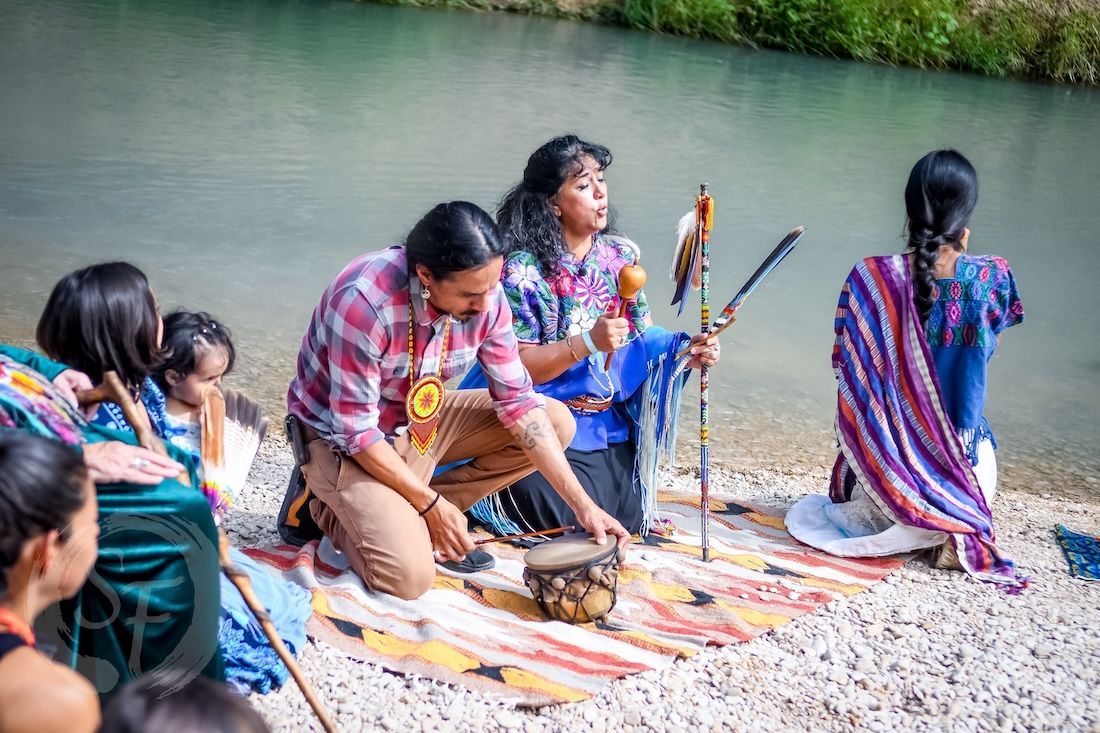
Palomares leading a water blessing at Solarpunk Summit 2023. Photo by Still Focus Media
Palomares offered a template for how communities can cultivate a spiritual level of respect for all beings and even elements, especially water, the bringer of life. Her insights illuminated the urgency of land care, and mindfulness of how our thoughts and everyday actions impact the ecology of our neighborhoods and of the world.
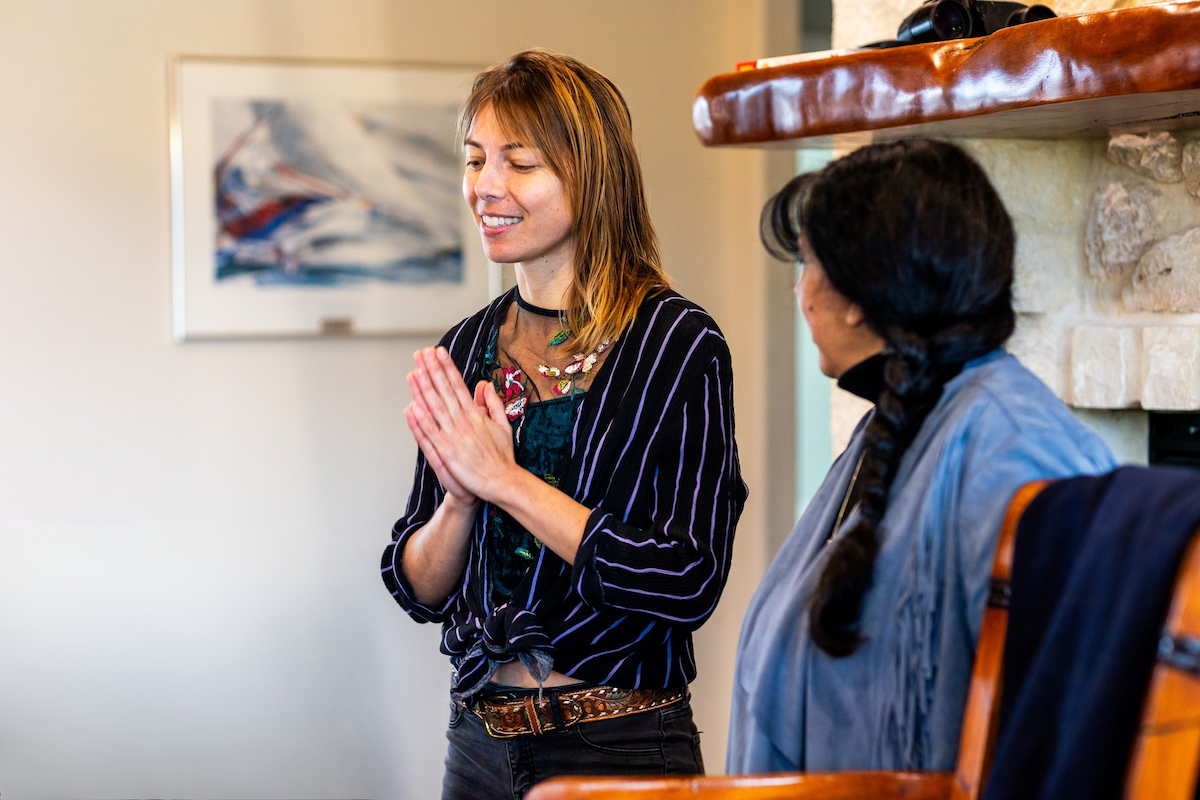
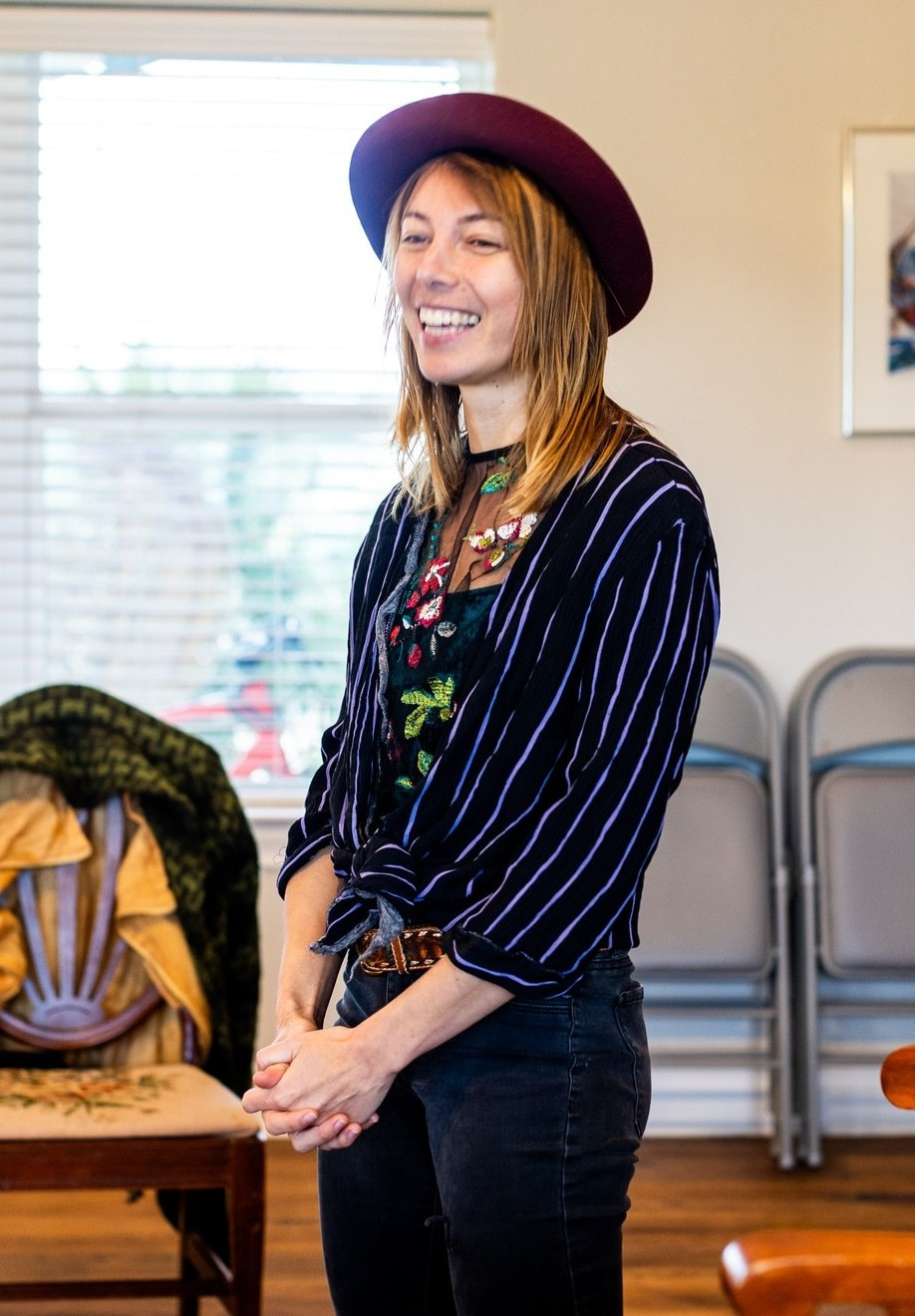
Marlo followed with a beginner-friendly introduction to permaculture, where she shared how her philosophy grew from years of tending diverse styles of permaculture gardens, and listening to the stories of the land. She spoke about the Urban Permaculture Rainforest Initiative as an early catalyst in her work, highlighting the power of community events to connect people with place.
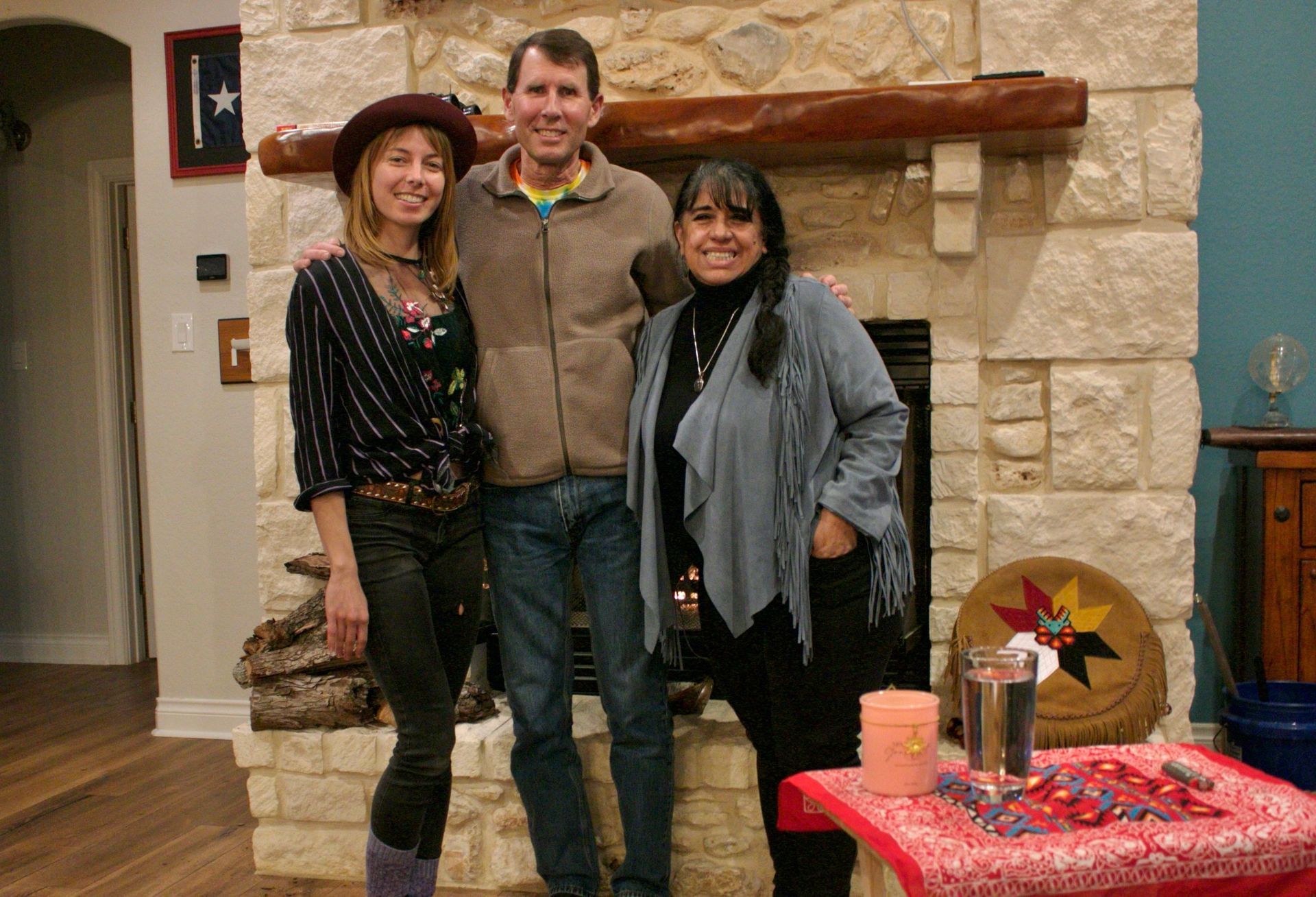
Her message urges the audience to see regeneration not as a distant goal but as a daily practice grounded in gratitude for the land and respect for the ancestors who have stewarded it before us. Rewilding, both personally and collectively, is an ongoing process that asks for intentionality, collaboration, and sustained action in the pursuit of a more just and livable future.
Locally Harvested Bamboo Fence
Austin, Texas
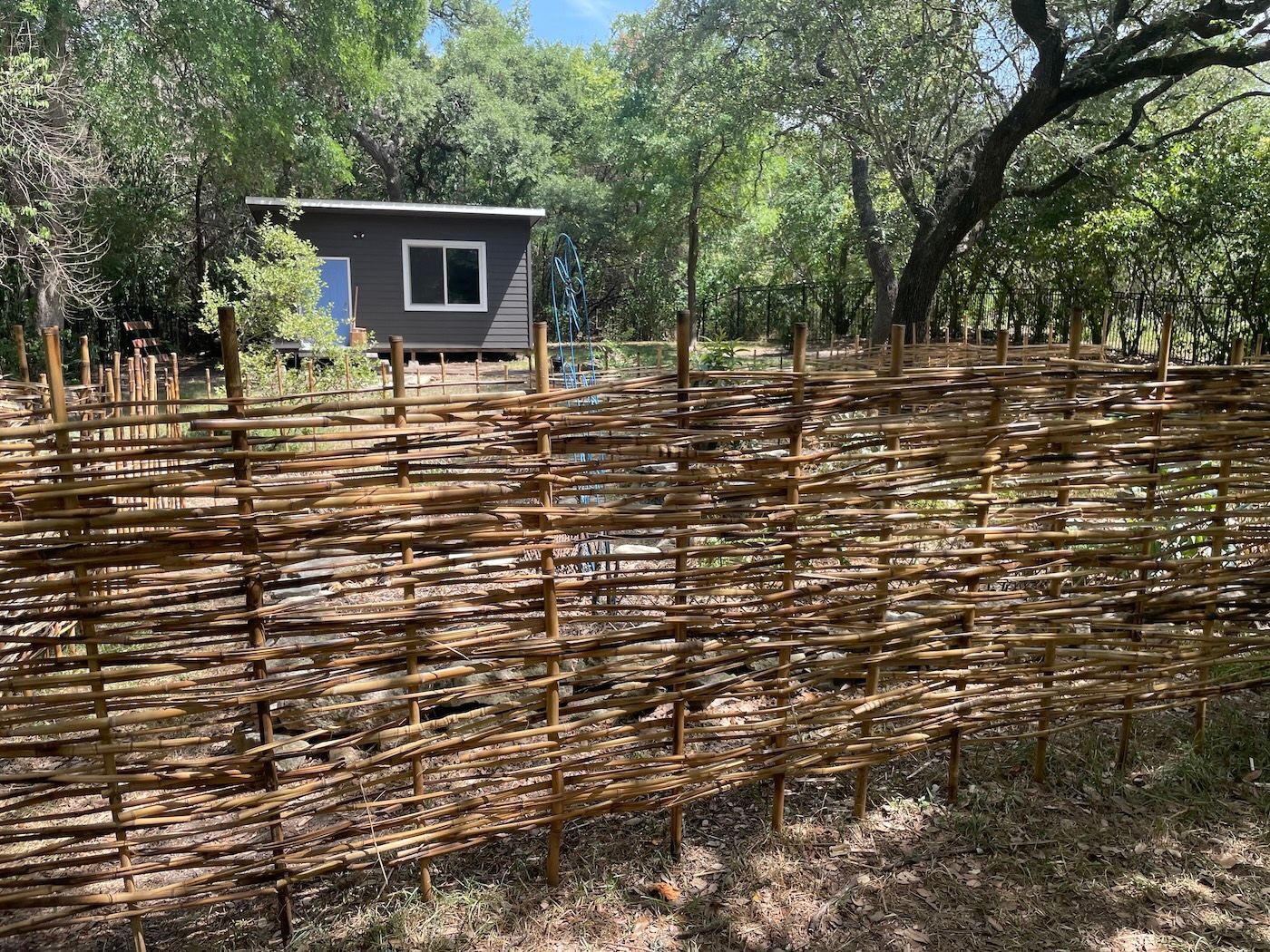
In a residential suburban backyard in Central Texas, we designed and installed a bamboo fence to protect a vegetable and herb garden from dogs and local wildlife, using only bamboo harvested and treated locally. Poles were cut by hand, selected for structural integrity, and treated on site, demonstrating how locally available materials can reduce reliance on industrial fencing methods.
To ensure durability in a region known for humidity and sudden weather shifts, the bamboo was heat-cured using both open flame and torch treatment, which drives out moisture, deters pests, and increases weather resistance. The poles were then finished with linseed oil and beeswax, all natural materials that seal and protect the surface without introducing synthetic chemicals into the ecosystem.
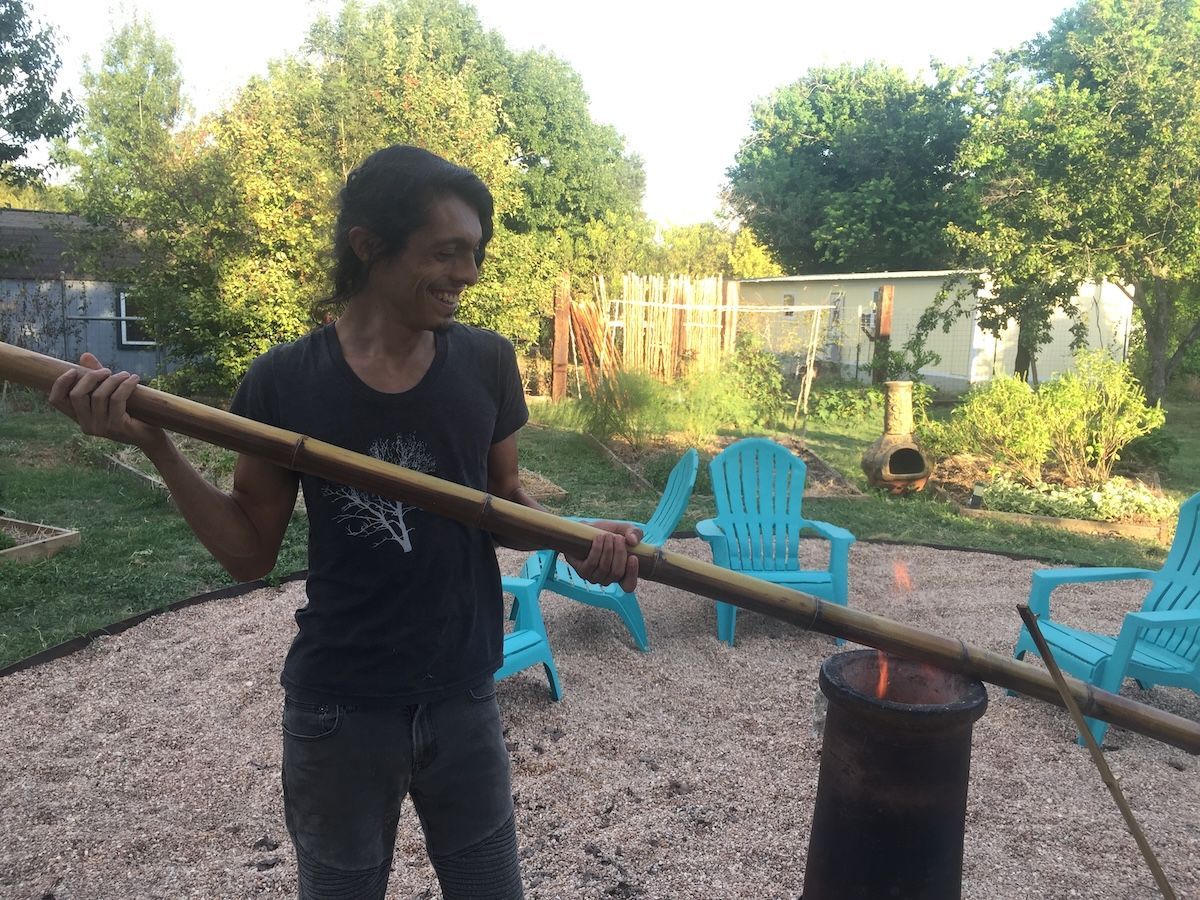
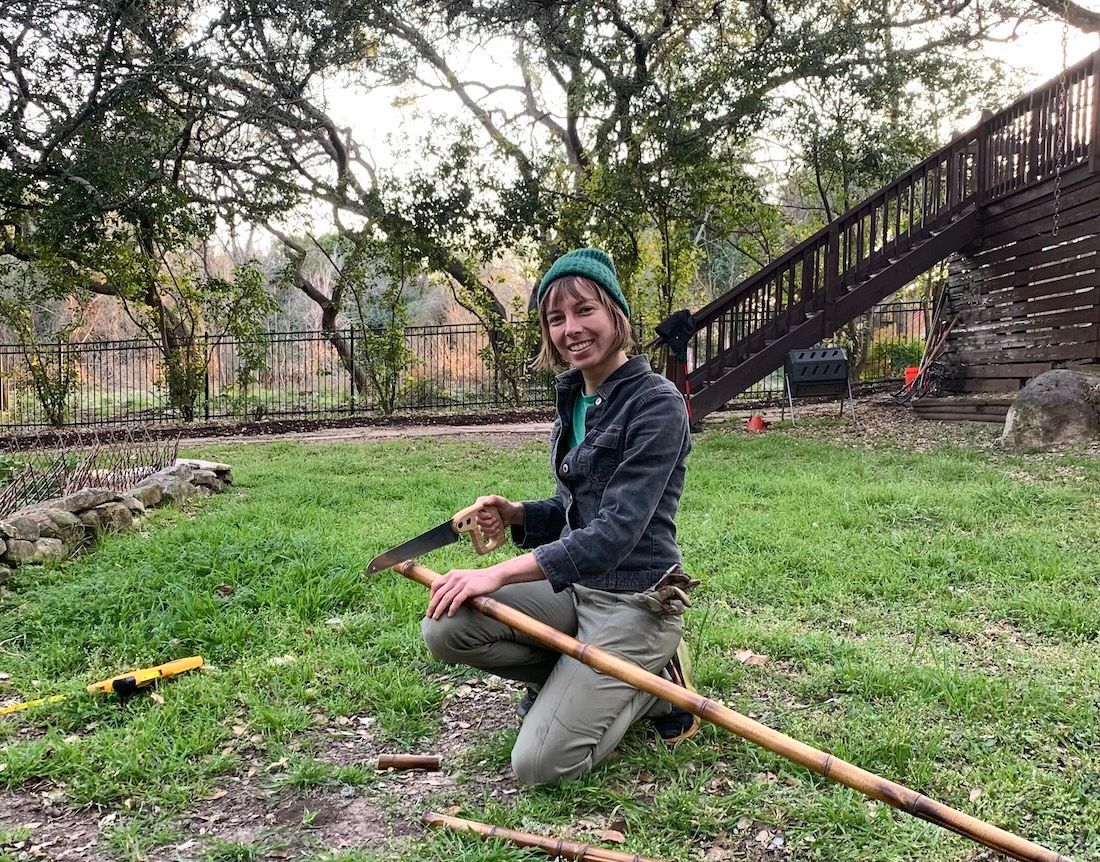
"There are more than a few reasons I like working with the fastest-growing land plant in the world..."
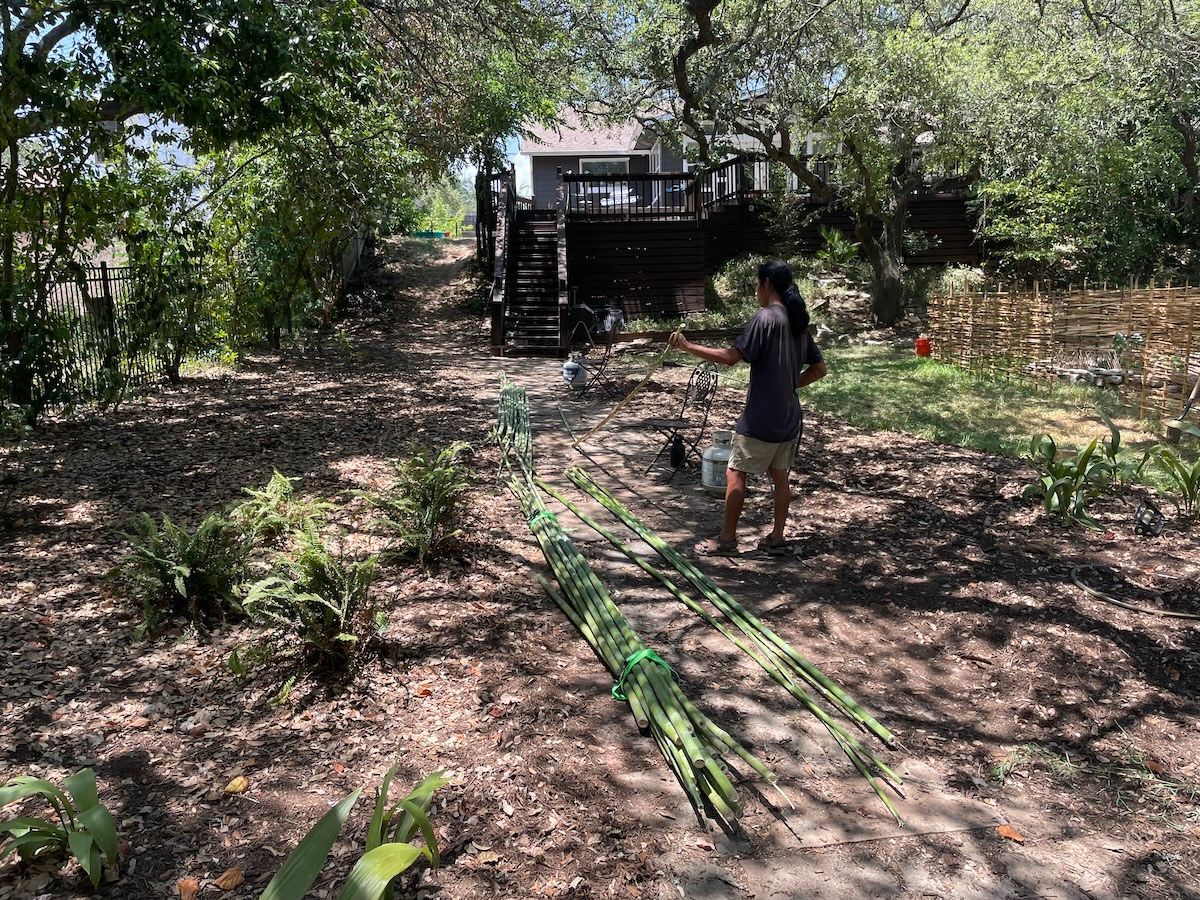
The epitome of stacking functions in the permaculture world: a carbon sponge, a million-purpose textile and building material, a food source, a gorgeous and relaxing sculptural presence in the garden, it is in so many ways the answer to our modern dilemma.
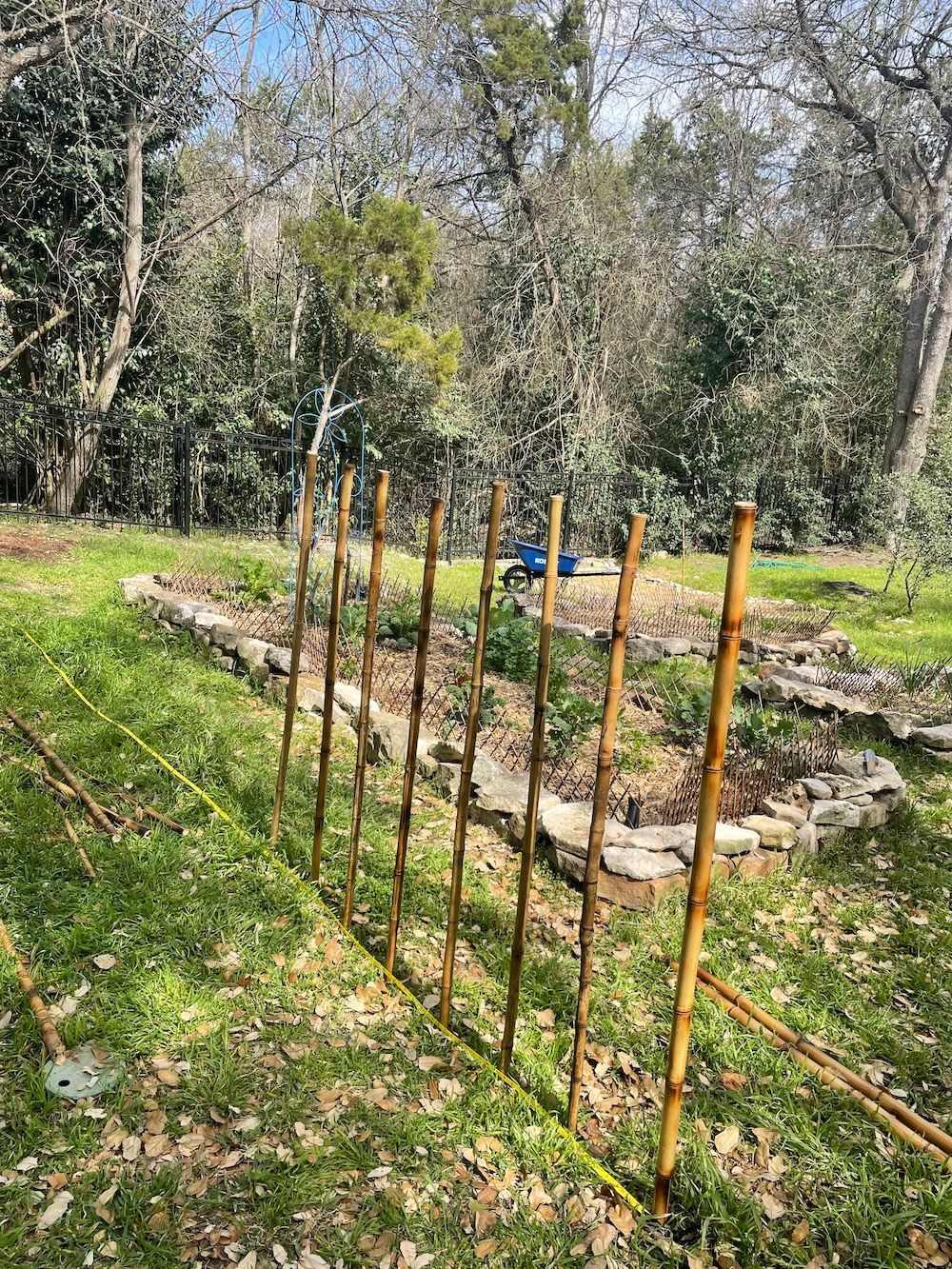
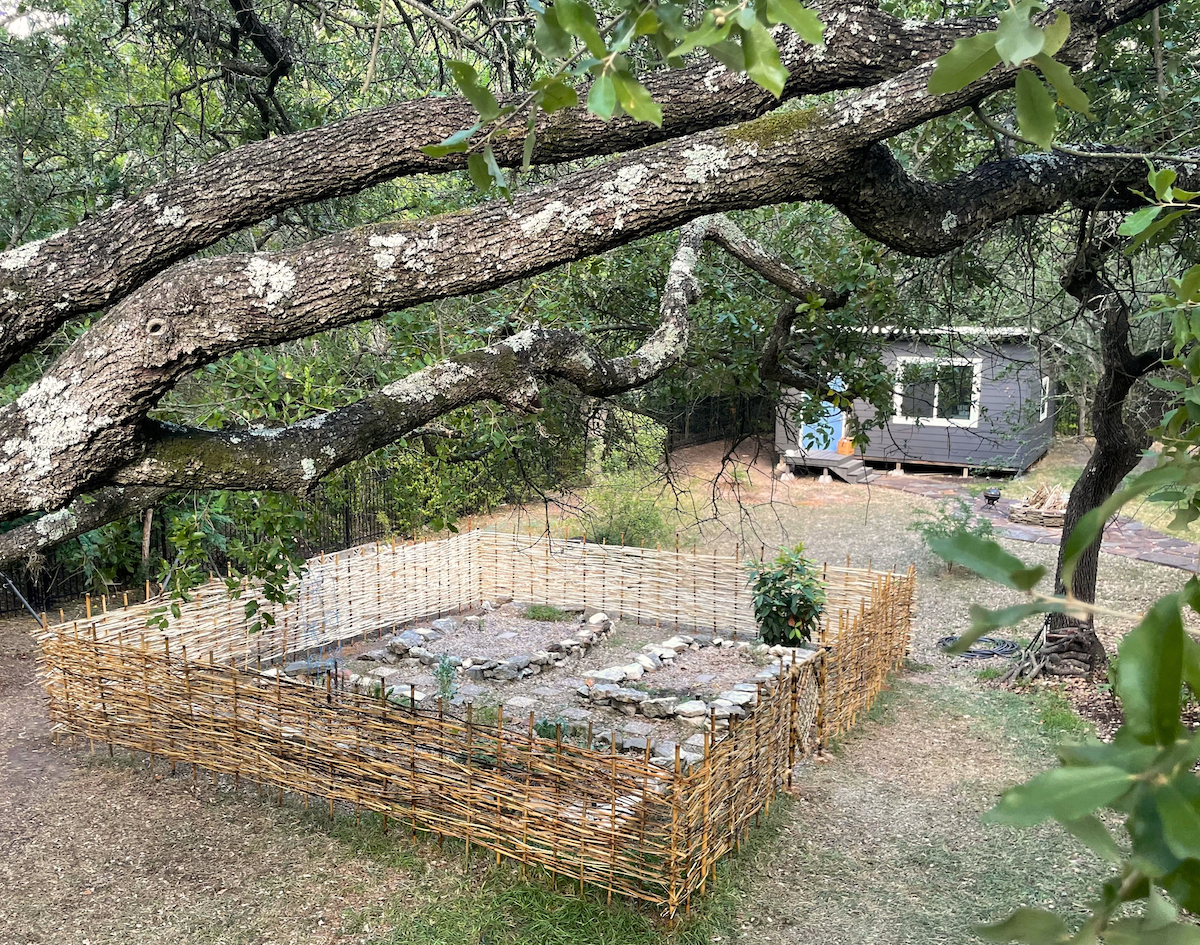
I can’t think of a better plant to try to convince everyone to start growing. And yes, I’ve gotten in trouble for trying to grow it. My neighbors came running out of their houses the first time I started digging a hole to grow bamboo, because to the undiscerning eye, it’s a dreaded invasive nightmare. And it’s true, if you aren’t growing the right variety, you could be creating a costly, labor intensive problem in your garden. So be sure to ask a horticulturalist (like us) how might the right variety of bamboo be a new member of your garden. Our advice is to treat bamboo as a long-term relationship rather than a quick fix. When chosen wisely, bamboo can shift it's reputation from neighborhood nuisance to ecological ally.
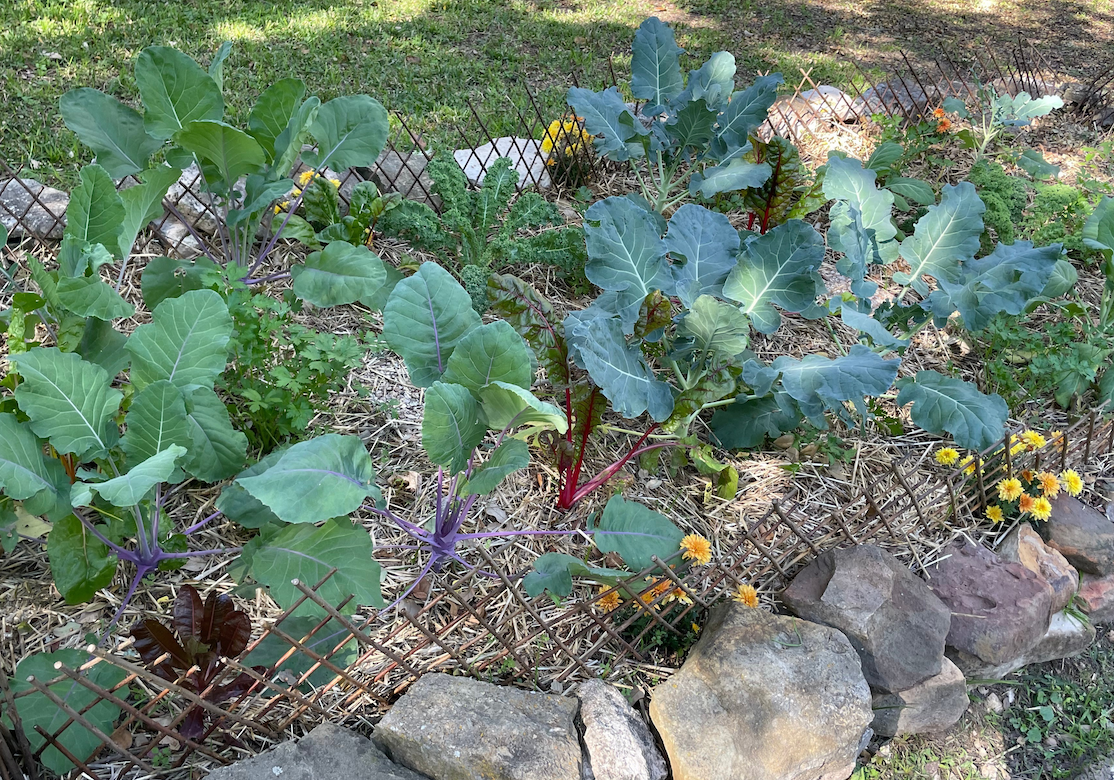
Garden bed inside the bamboo fence after completion, including a polyculture of broccoli, collards, Swiss chard, marigolds, lettuces, and parsley.
Urban Permaculture Rainforest Initiative
Houston, Texas, and beyond
The Urban Permaculture Rainforest Initiative formed when Marlo Weekley, Carlos Castaneira, and Alexander Hewitt put their heads together at one of the first artist residency locations of the Arts and Culture Lab in 2023. To fulfill the longstanding dream of the lab’s founder Carlos to provide a lush regenerative garden space for artists, we started by gathering a group of students to observe the existing site as it was.

The objective of the initiative is to teach, gather resources, and collectively design and demonstrate regenerative urban landscaping informed by the wisdom of rainforest ecology. More than half of the world’s rainforests have already disappeared due to human demand for timber, farmland, and development. Pressured by industrial agriculture, logging, mining, and the accelerating impacts of climate change, these irreplaceable centers of biodiversity have been reduced to fragments, with only about one-third still standing intact.
The satellite UPRI gardens cropping up in response are for more than just learning in. They provide a much-needed place to get inspired, and generally revitalize oneself as an artist whilst simultaneously tasked with deeply feeling the state of the world in order to reflect back its meaning. We wanted to share a glimpse of what’s possible in the future, and also what is already our birthright as humans.
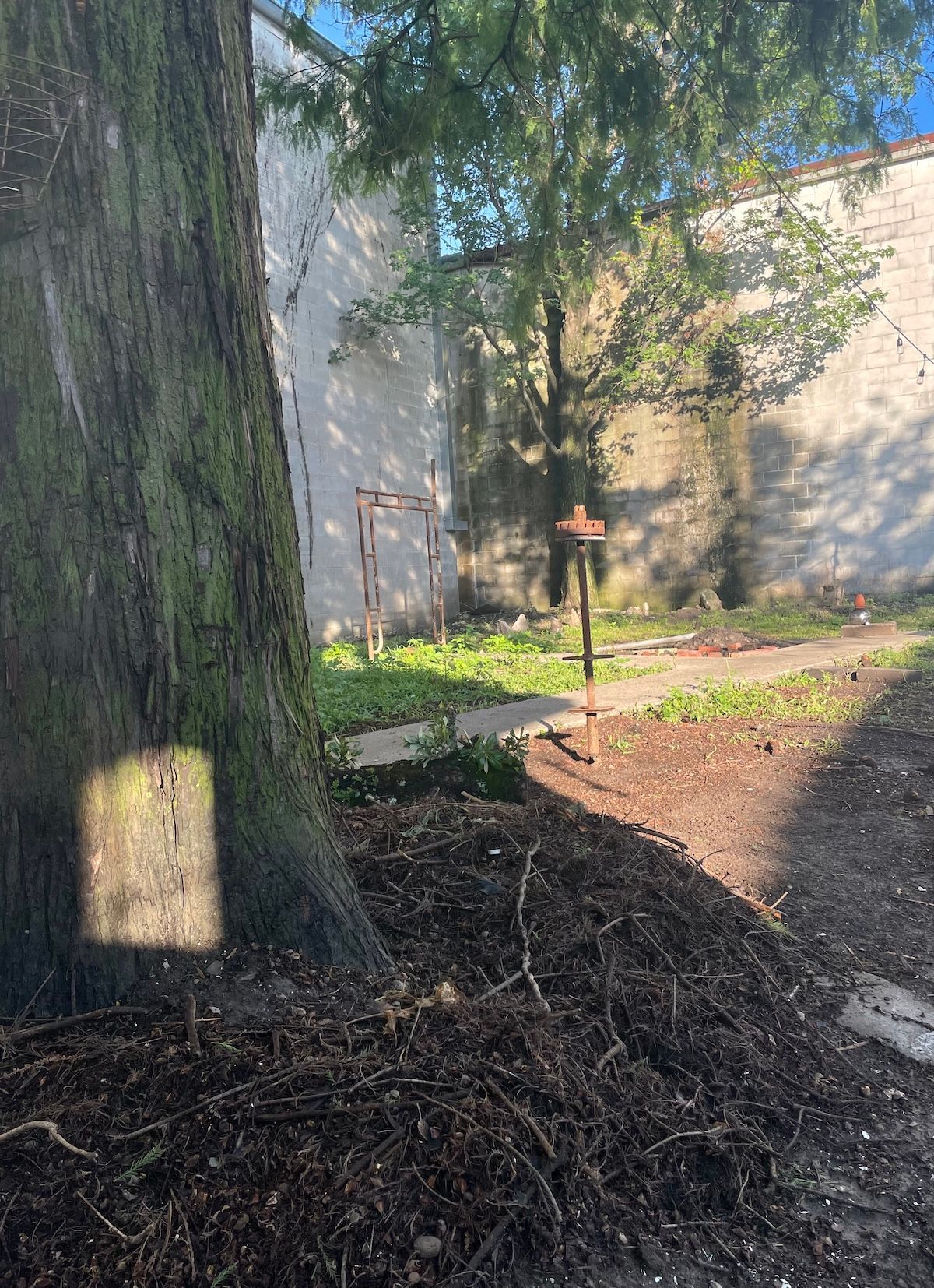
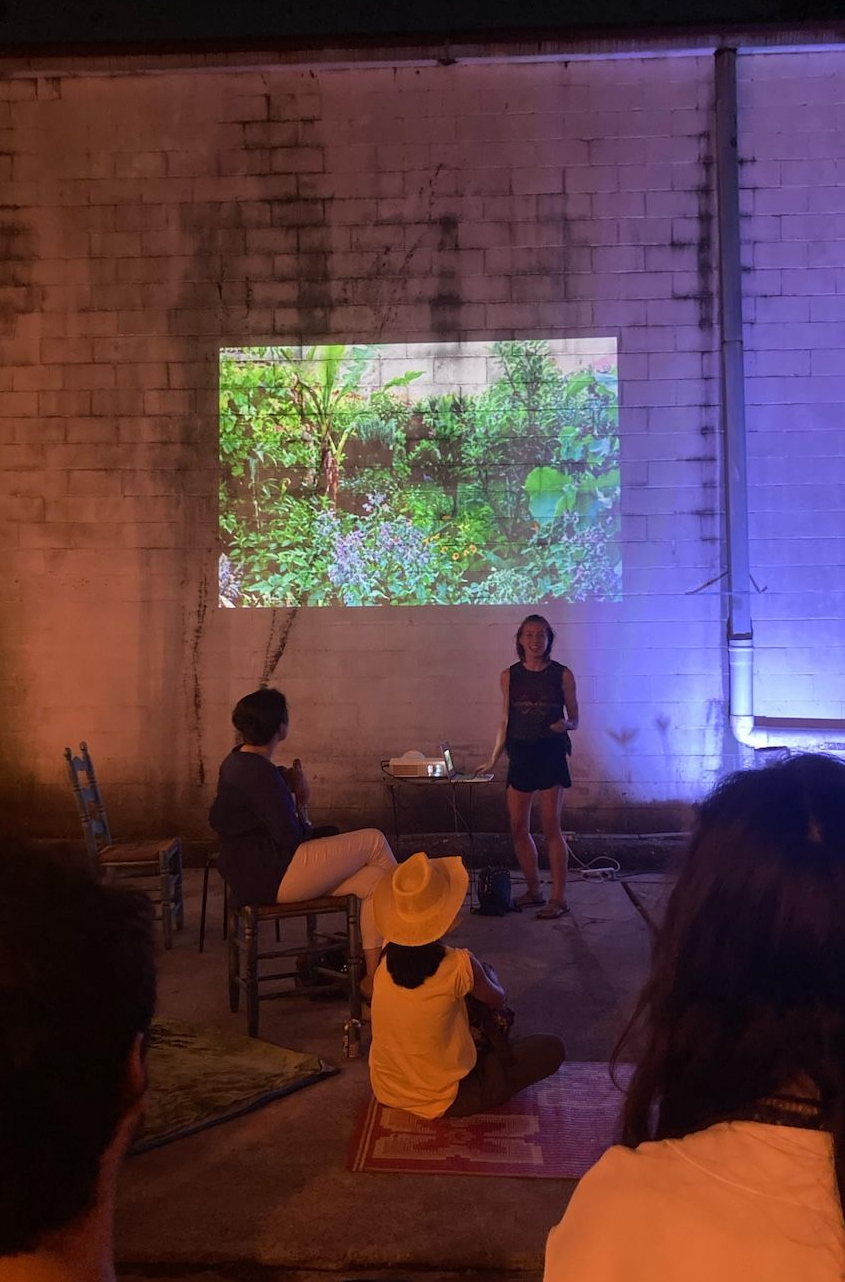
A rainforest is the most advanced system in nature, because it has the highest amount of biodiversity on earth, and its existence depends on a complex web of interconnectedness and interdependence among its organisms. This creates a wonderful resiliency for all life within, given that it is left to continue on its path of natural growth, succession, and evolution in the way that nature chooses to.
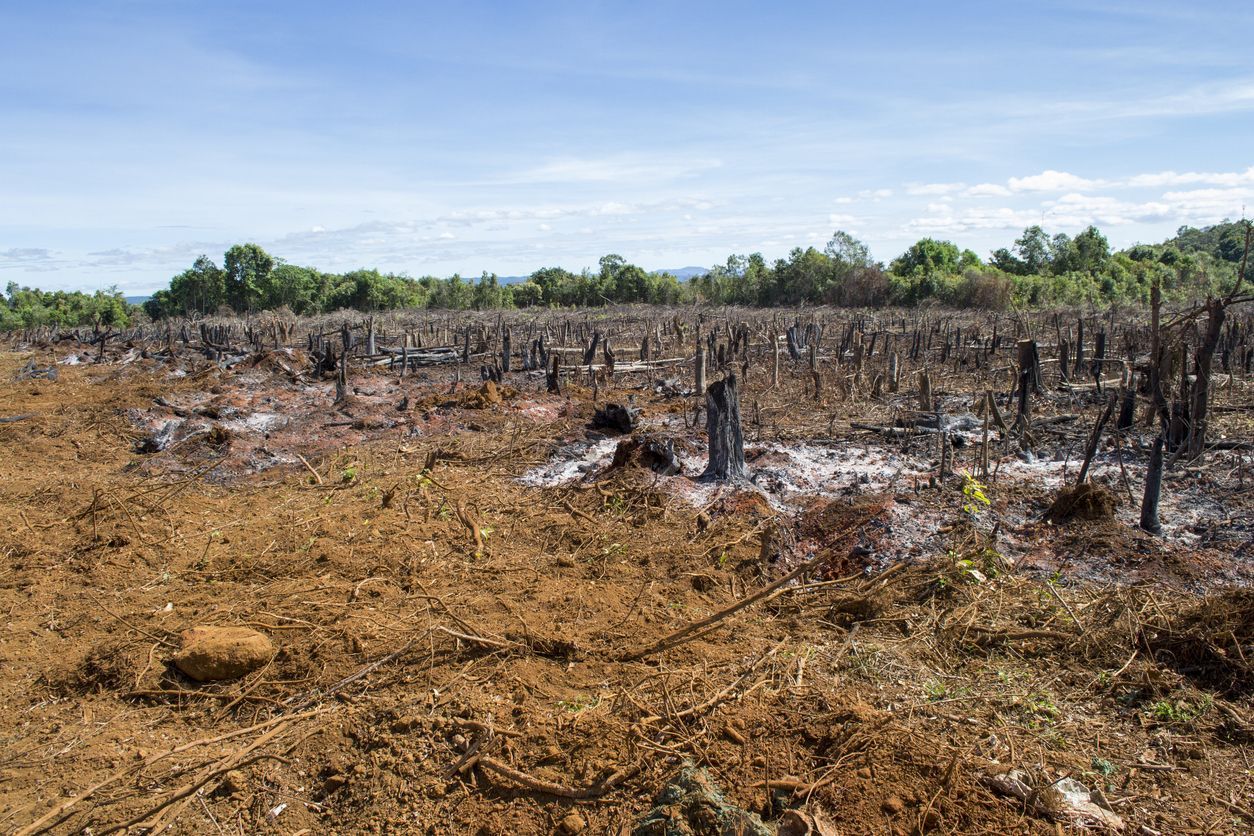
In the Amazon Rainforest in particular, as most of us know already, this natural process is being heavily disrupted by human activity. Namely, it is caused by slash-and-burn cattle ranching, intensive monocrop agriculture, illegal logging and mining, and continued unwarranted development. And this is all despite its stewardship and de facto decision-making authority led by hundreds of indigenous tribes that have been struggling to protect and gain legal ownership of their ancestral lands of thousands of years.

Photo by Franssy Acosta
The Amazon, along with the many rainforests of the world, serve as a global mitigator of climate change because of their crucial role of regulating global carbon emissions. But these rainforests have a tipping point when they are threatened. You might think that because they are the most biodiverse, they are more resilient to outside effects. But this is not the case.
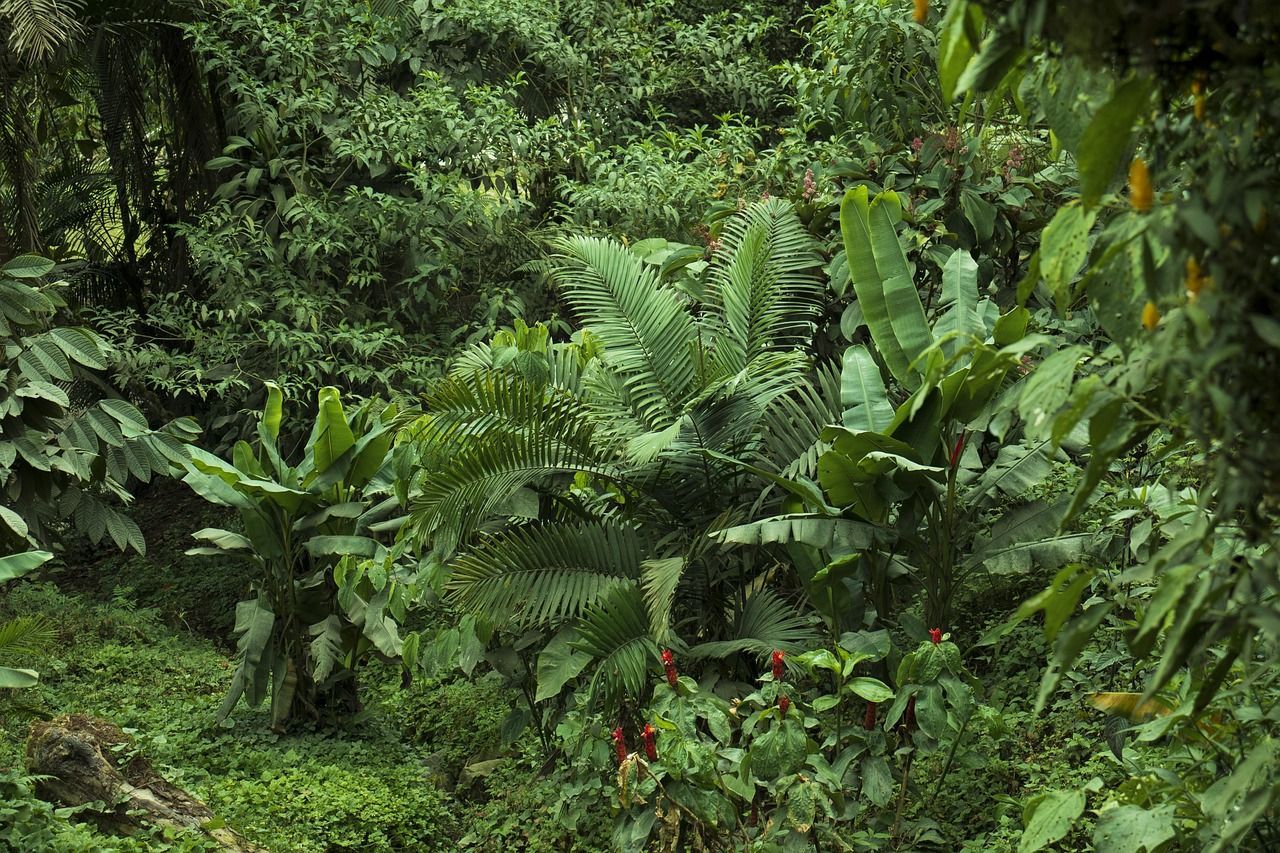
Photo by Catalina Mejia
The threats that our rainforests are facing can lead to releasing devastating amounts of the carbon that they store, on top of eliminating their ability to regulate the climate for all of us. The Congo in Africa is the largest tropical rainforest on the globe, but the Amazon is famous and symbolic because it is the most biodiverse landscape on Earth. Its endangerment represents a grave warning to humanity in our age.
So, what does this have to do with urban permaculture? Nature has a slow and wise process of creating vitality in this type of miraculously complex and beautiful system called a rainforest or jungle, and we as humans have an uncanny ability to aid in the initiation of this process, by way of collecting rainwater, turning biomass into viable nutrient-dense soil, and planting a wide variety of plants according to what we know about this interdependent forest designed by billions of years of trial and error. Rainforests are our inspiration. The urban landscape is our context, because sustainability is needed everywhere.
The Urban Permaculture Rainforest Initiative is a multi-location, ongoing living installation. Anyone is welcome to join the decentralized movement and start a chapter in their own area. At our first location, we are teaching the lessons of the rainforests by deeply looking at a concept from permaculture called “edge.” It means utilizing the boundaries of a system, of a philosophy, a topography, a zone, shape, micro- or macroclimate, as the place of greatest potential. In this case, it’s a place on the verge between nightlife culture and industry, and residential neighborhoods between wealth and poverty. It is taking place in a climate zone between subtropical and tropical, and a culture becoming one of the most ethnically diverse in the nation.
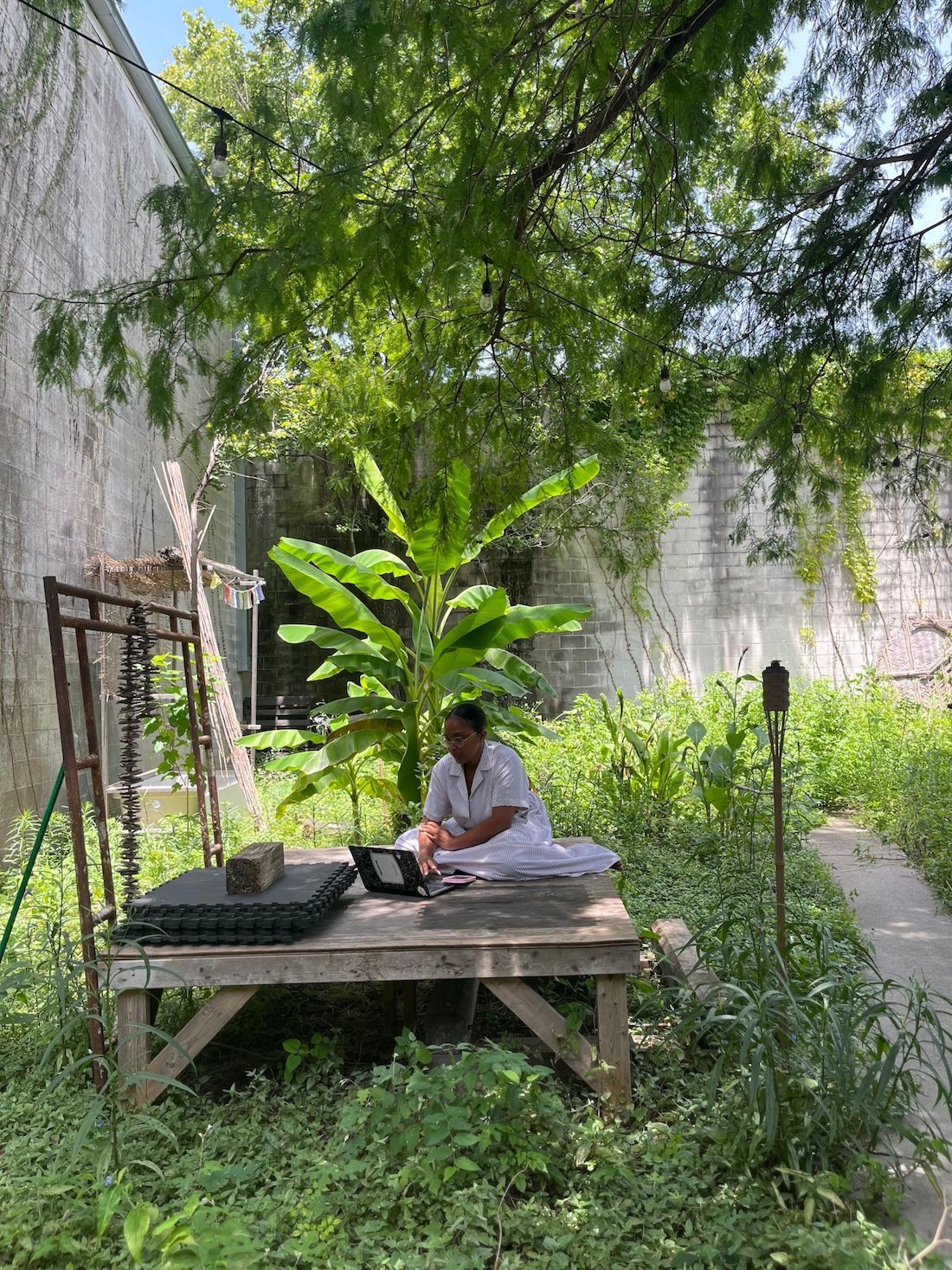
The UPRI invites you to join in the movement of learning with your community and practicing how you can apply the wisdom of a complex rainforest ecosystem in your own home biome. One way to do this is to choose a public-access outdoor site where the community can experience hands-on practices that will increase the land’s ability to capture and store carbon and filter toxic pollutants from the atmosphere.
You can do this by learning methods of composting that work well for your area, and planting a diverse, dense garden with many layers. It is vital to do this responsibly and safely, which requires deep study of your region’s local native species, as well as learning what species can be detrimentally invasive and disease-prone in your area, being sure to remove them, and definitely not to install them. It is advised to get in contact with your local wildlife experts to make sure you are maintaining a safe habitat for native species, especially those that are threatened or endangered. The goal is to create a lush, ever-changing living installation and learning site, built by and for the community.
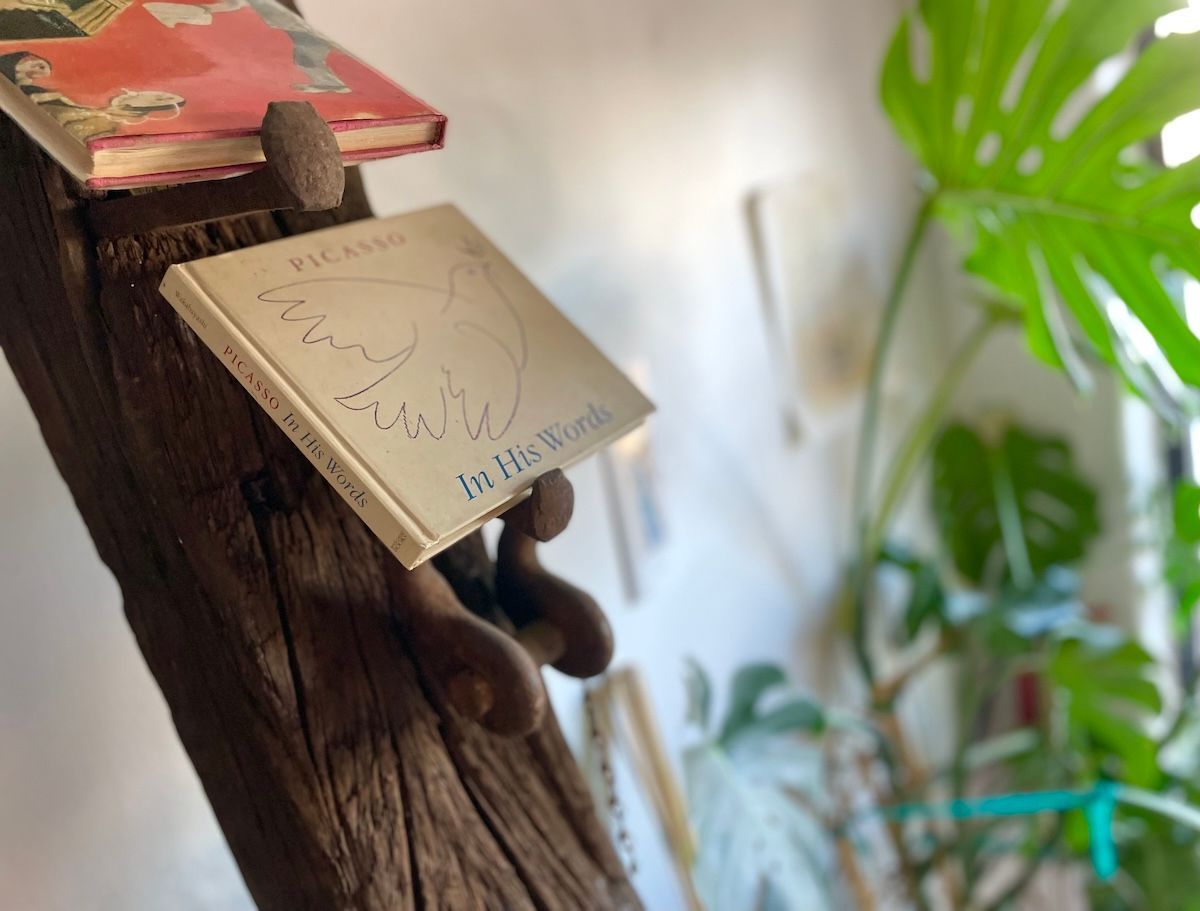
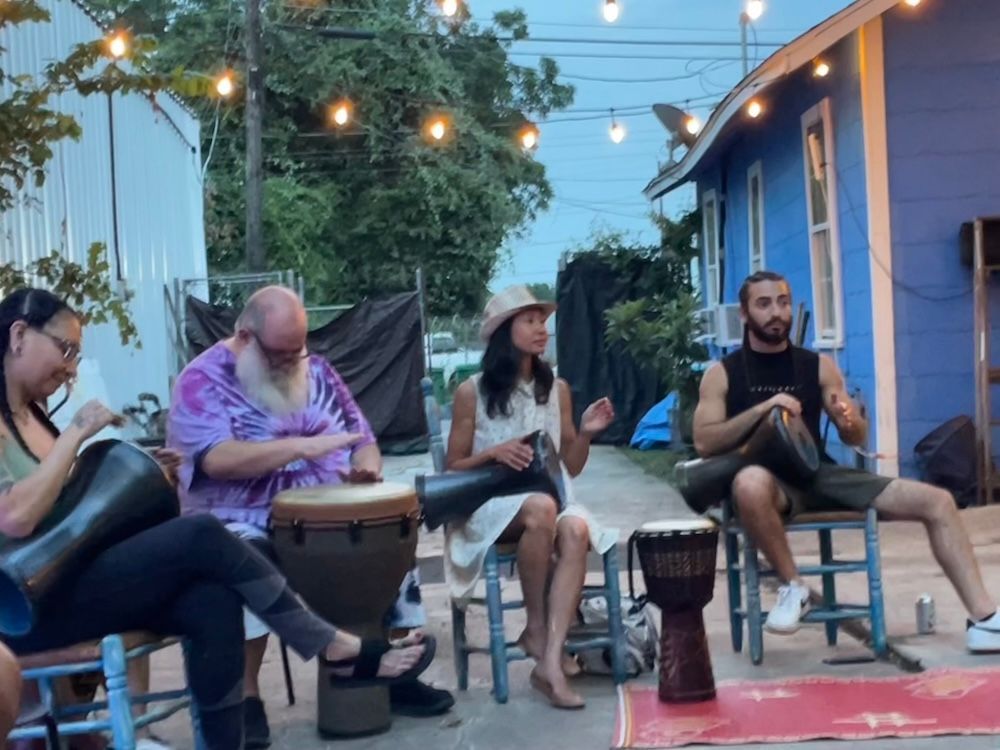
It is a chance to be the change, to learn permaculture in a more eco-centric rather than human-centric way, and to explore your edge: of your physical limits, your microbiome, and your very own city’s culture and ecosystem.
Indian Rocks Beach Cottage Design
Indian Rocks Beach, Florida
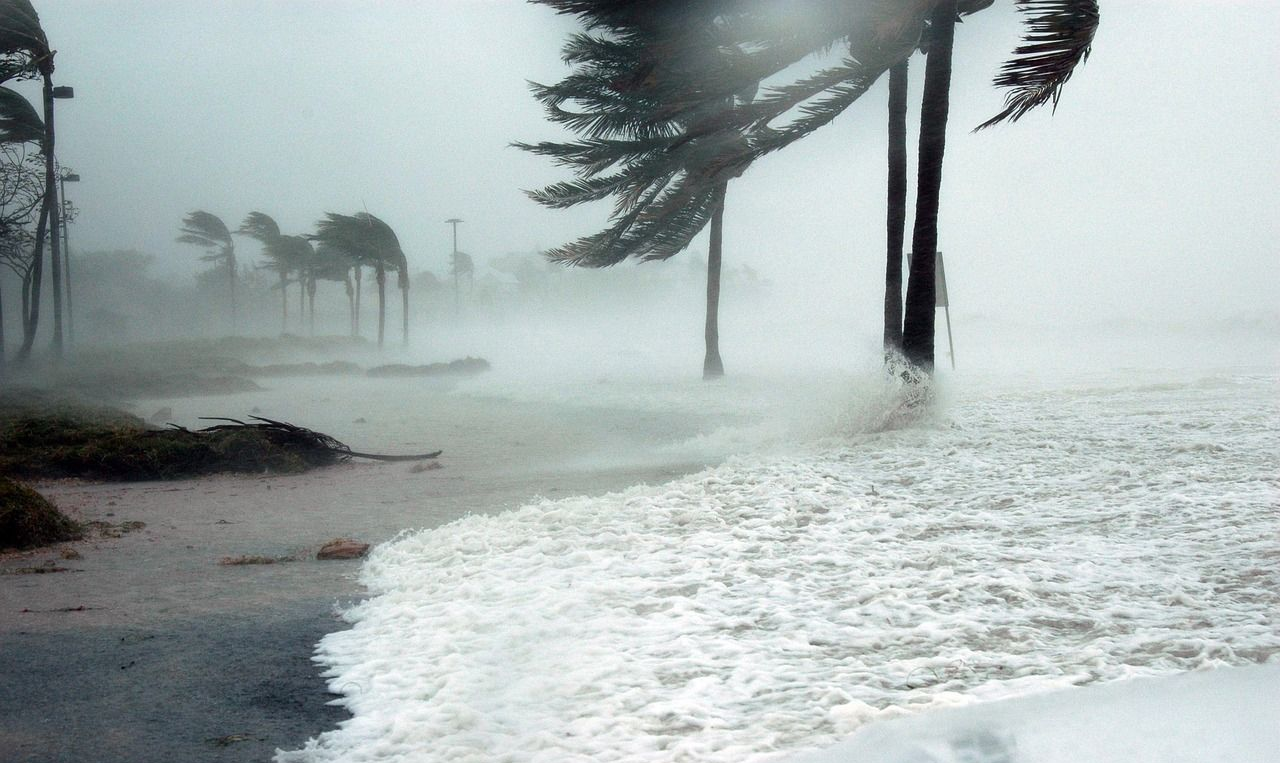
In this project, I am at the beginning of a series of suburban coastal transformations of several properties owned by a residential leasing company in West-Central Florida. These areas have faced extreme weather events both historically and especially in recent years, including storm damage and tidal inundation from Hurricanes Milton and Helene.
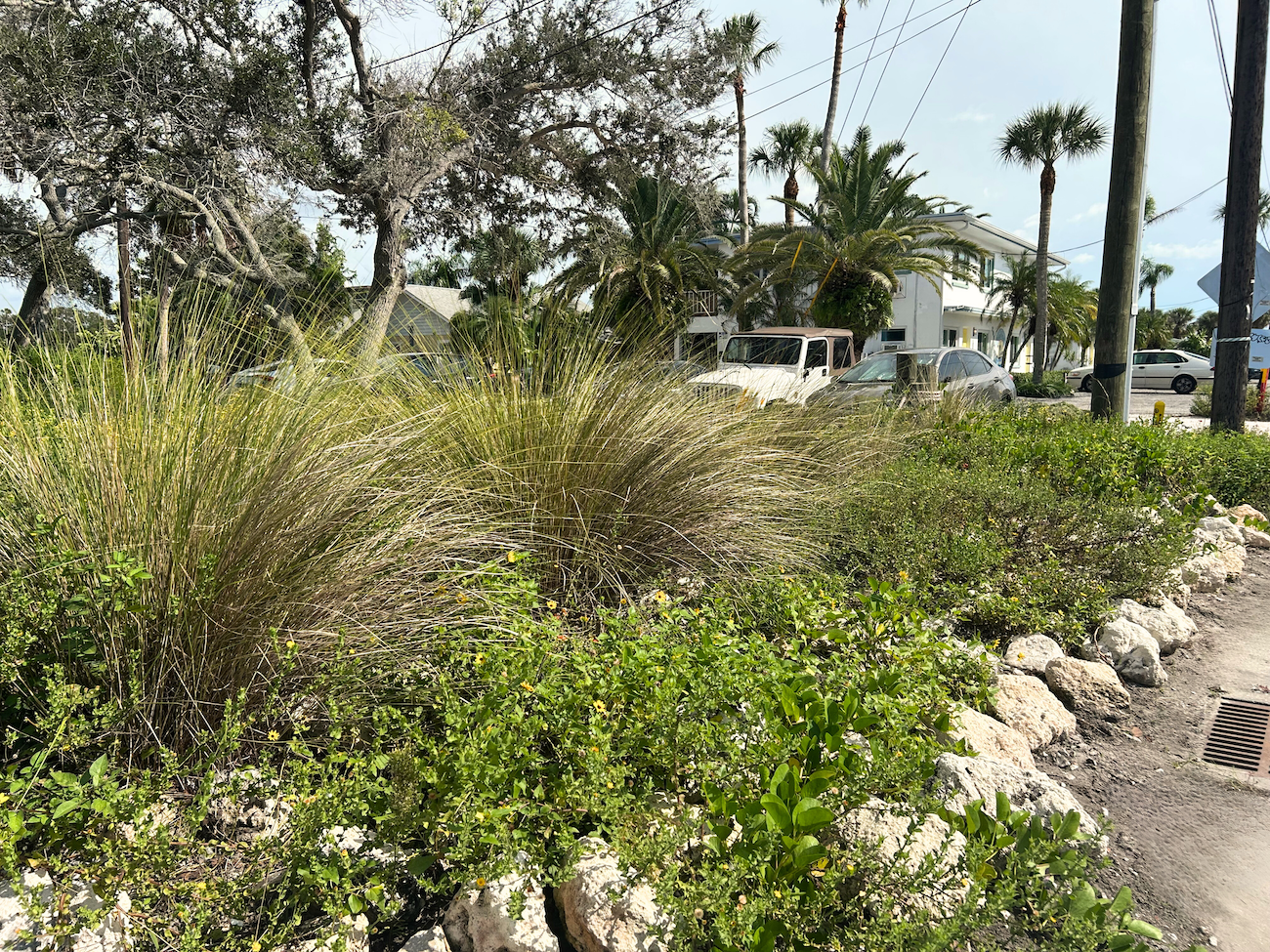
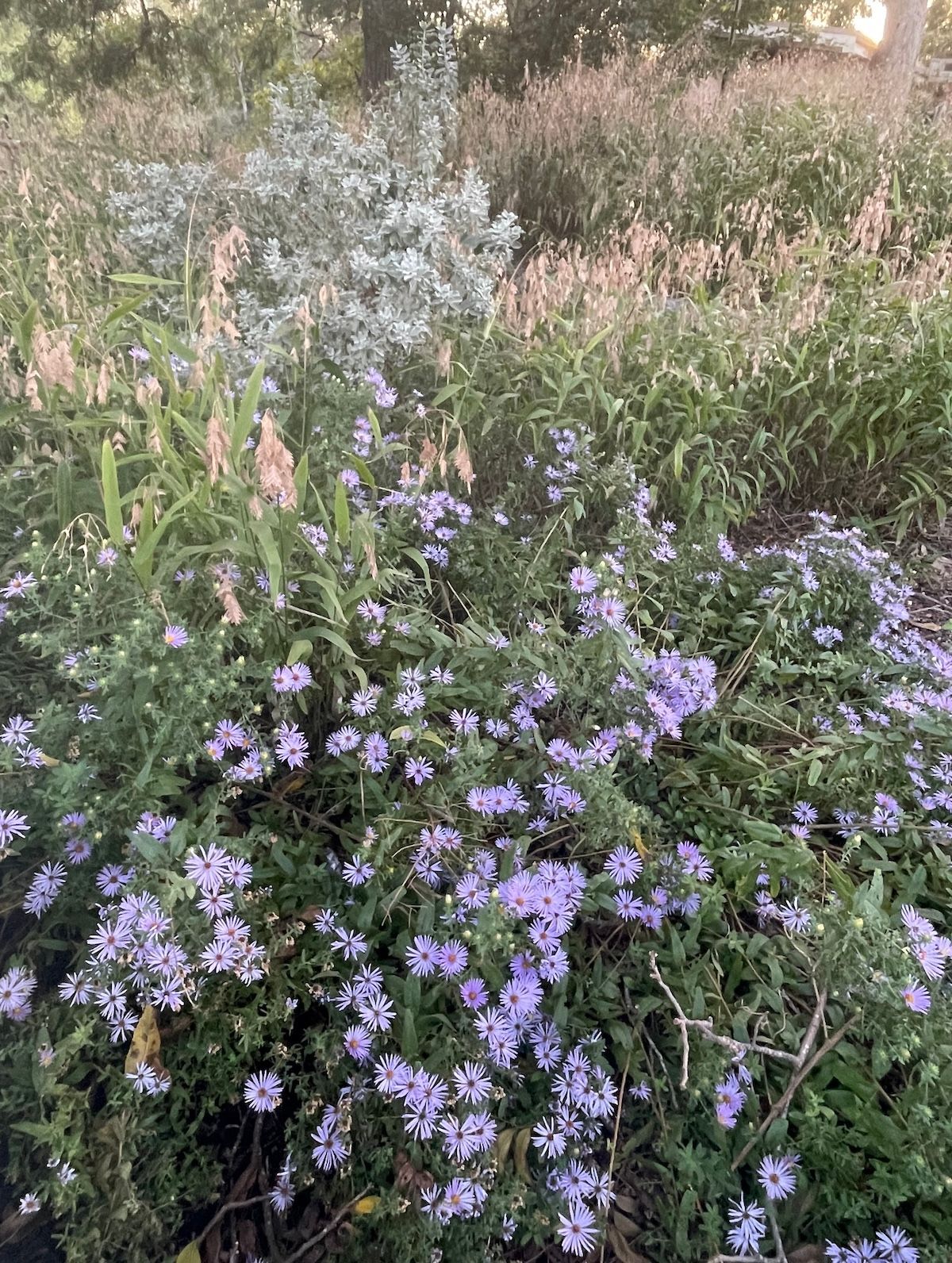
The continued development happening in the area is worsening the destruction of coastal and intercoastal mangrove forests and habitats. In this design, Phase 1 is part of a successional plan for flood mitigation including a bioswale, rain gardens, and native pollinator plants. It starts with a pop of color that also increases biomass, particularly from a collection of plants chosen for their ability to quickly draw in water, and to remain resilient and low maintenance in the face of the extreme weather events that occur here.

This garden serves as an aesthetic statement piece that ties in nicely with the wildflower preserve next door, a piece of land that the owner of the residential leasing company has generously chosen to preserve in the face of continued over-development of the area.
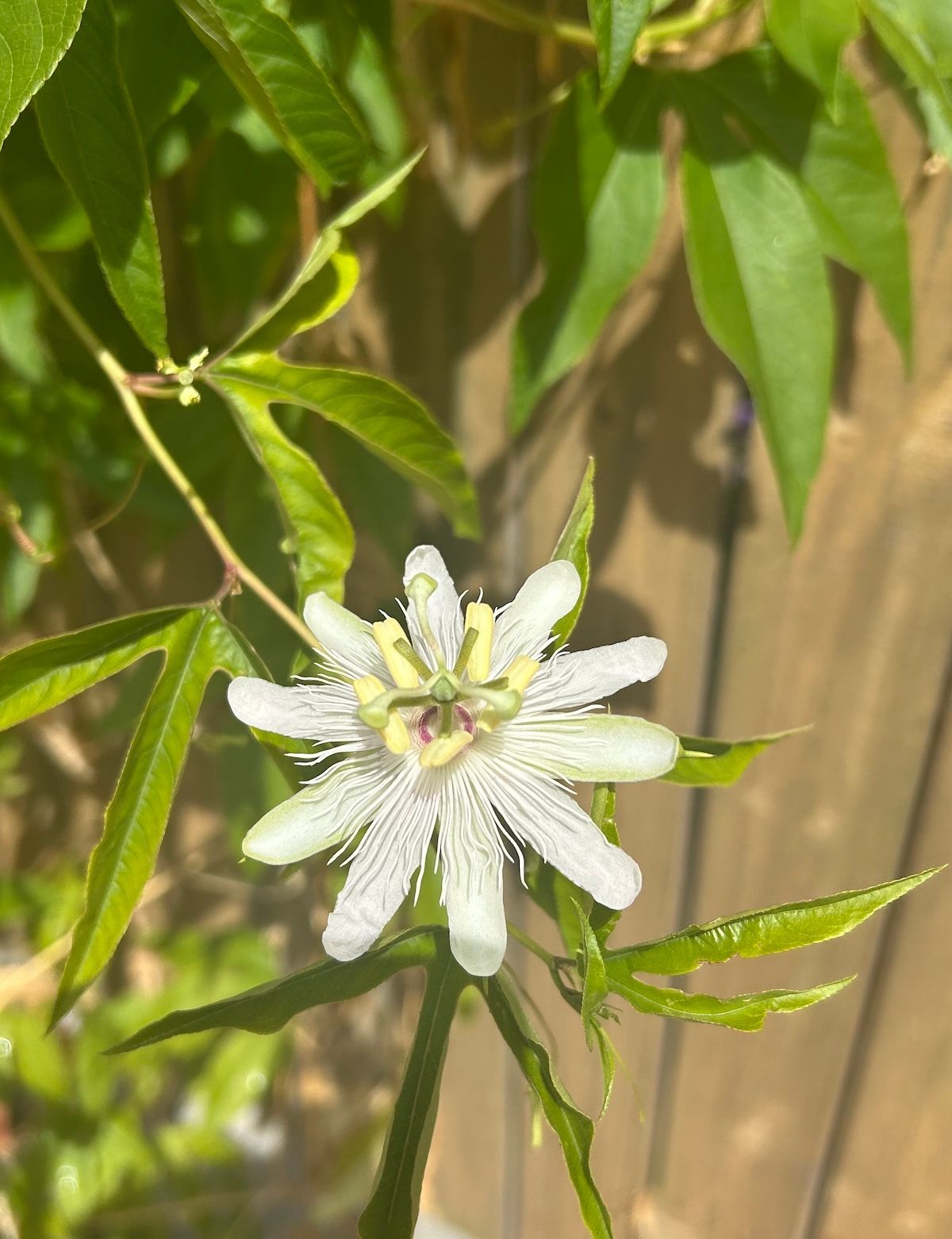

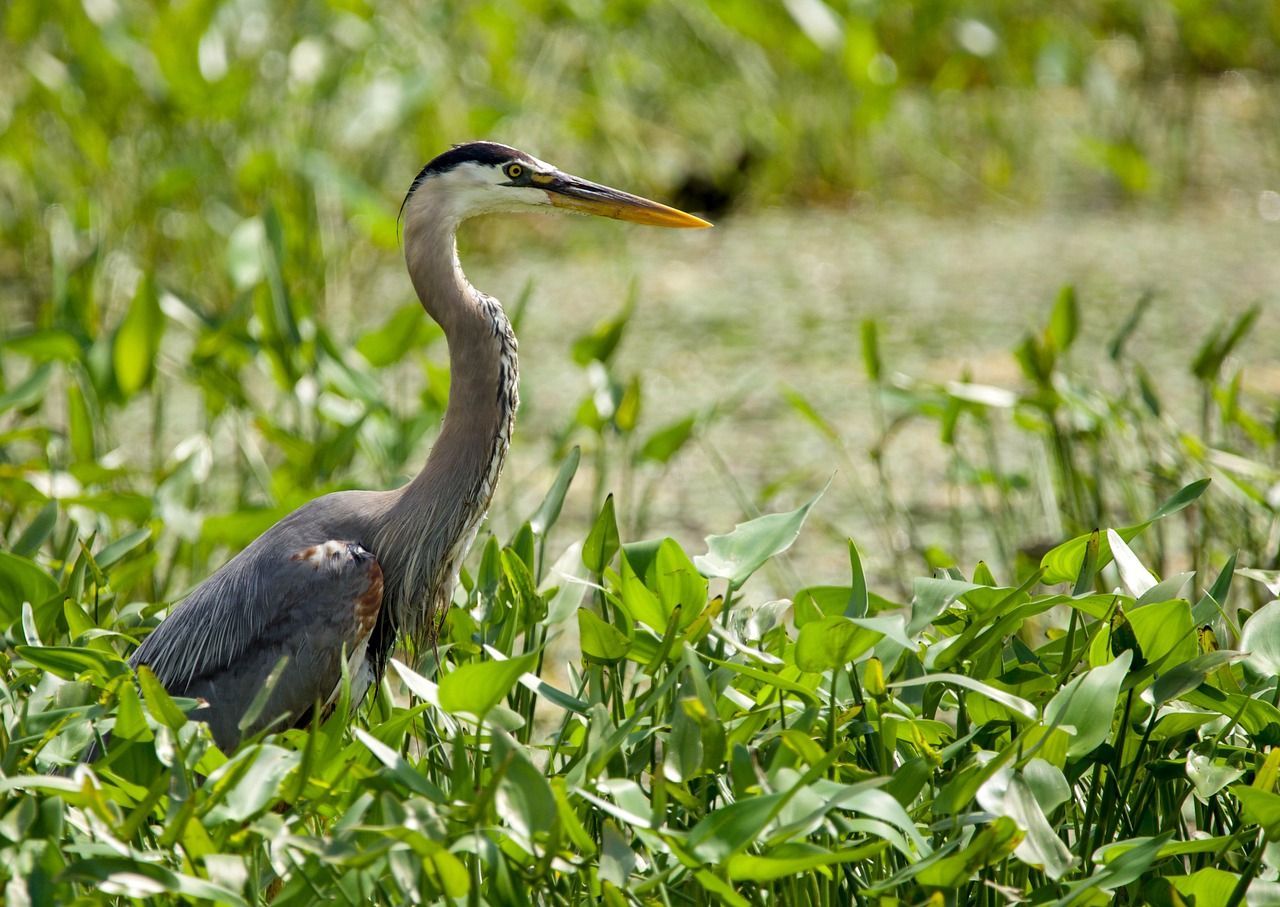
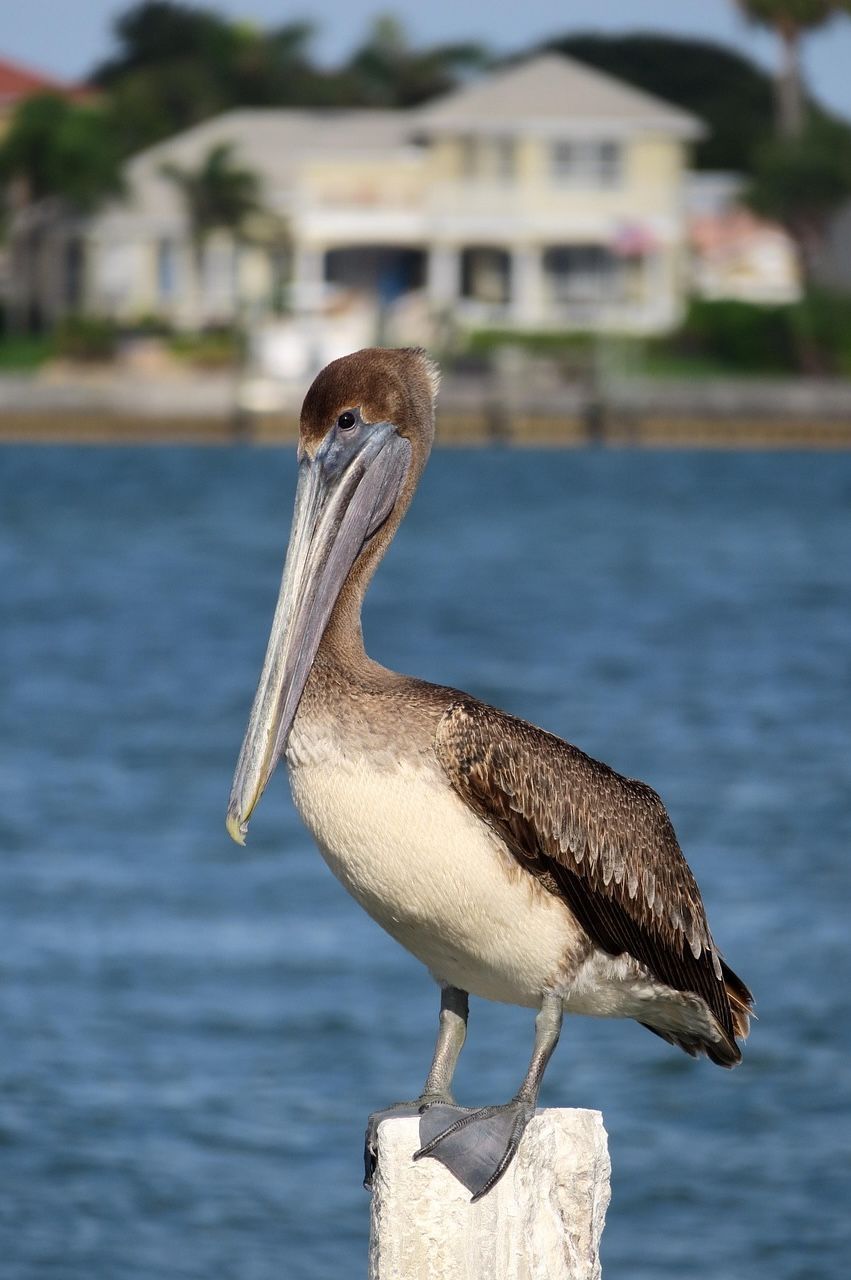
Together, they form a haven for native wildlife and an inspiration for the neighborhood, now ever-increasingly a tourist zone. We are putting out the message loud and clear: this is an important coastal buffer zone to protect and preserve a diverse array of wildlife in this unique bioregion.
Syntropic Agriculture Production Farm
Guanacaste Province, Costa Rica
At the start of the rainy season last year, in Guanacaste Province, Costa Rica, a group of farmers and neighbors gathered to plant what will one day resemble a forest more than a farm.
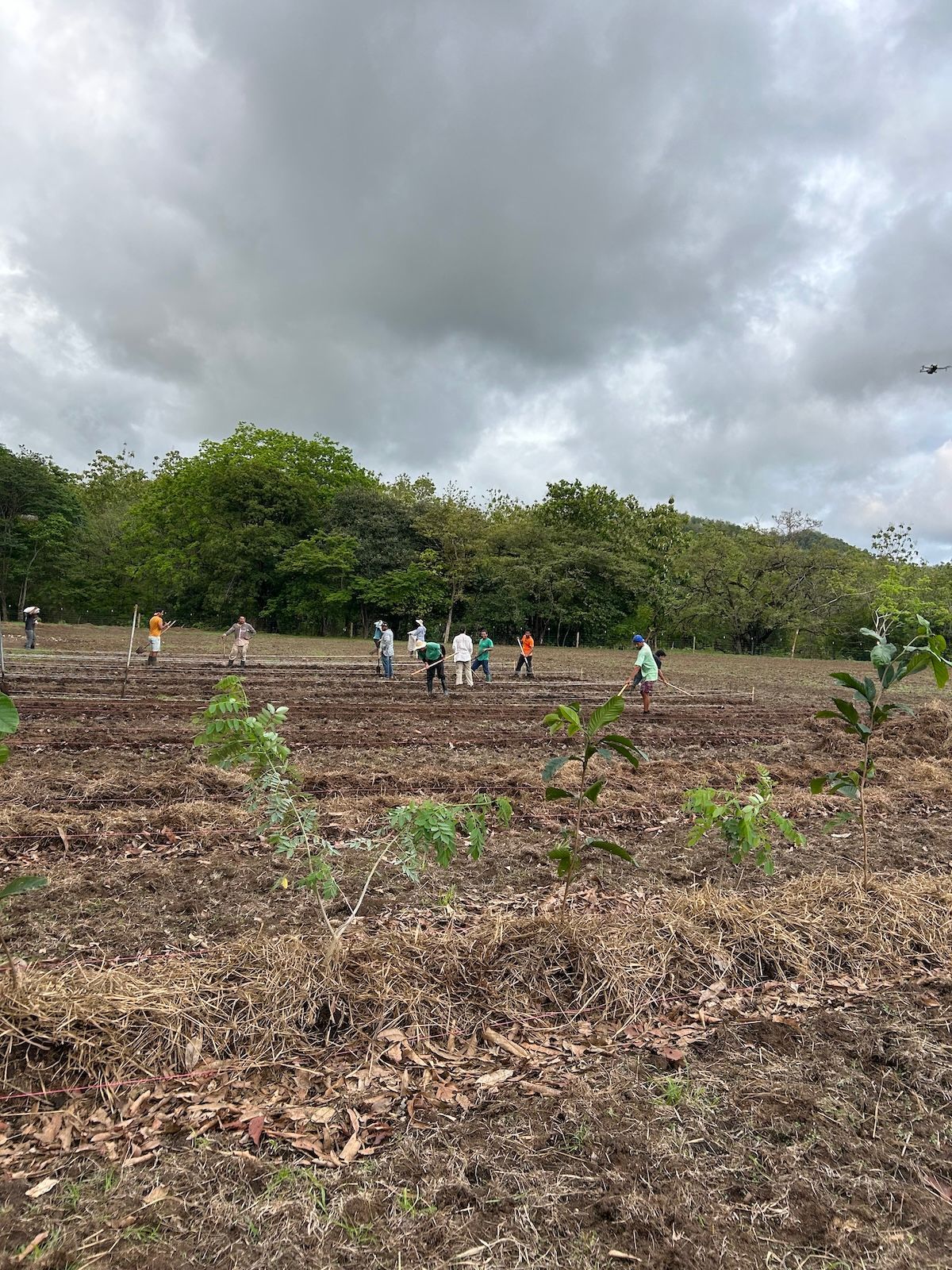
We are accomplishing this incredible feat by way of what is known as a minga. A minga is a communal effort of locals on the land to achieve mutual benefit and long-term abundance, much like the way a healthy ecosystem of plants, trees, and fungi work. Here at Tierramor Regenerative Living and Retreat Center, a new segment of a syntropic agroforestry system is taking root. The air is heavy with humidity, the soil is ready, and the timing is precise. With the rains newly arrived after a long dry season, seeds and seedlings go straight into the earth with no irrigation required.
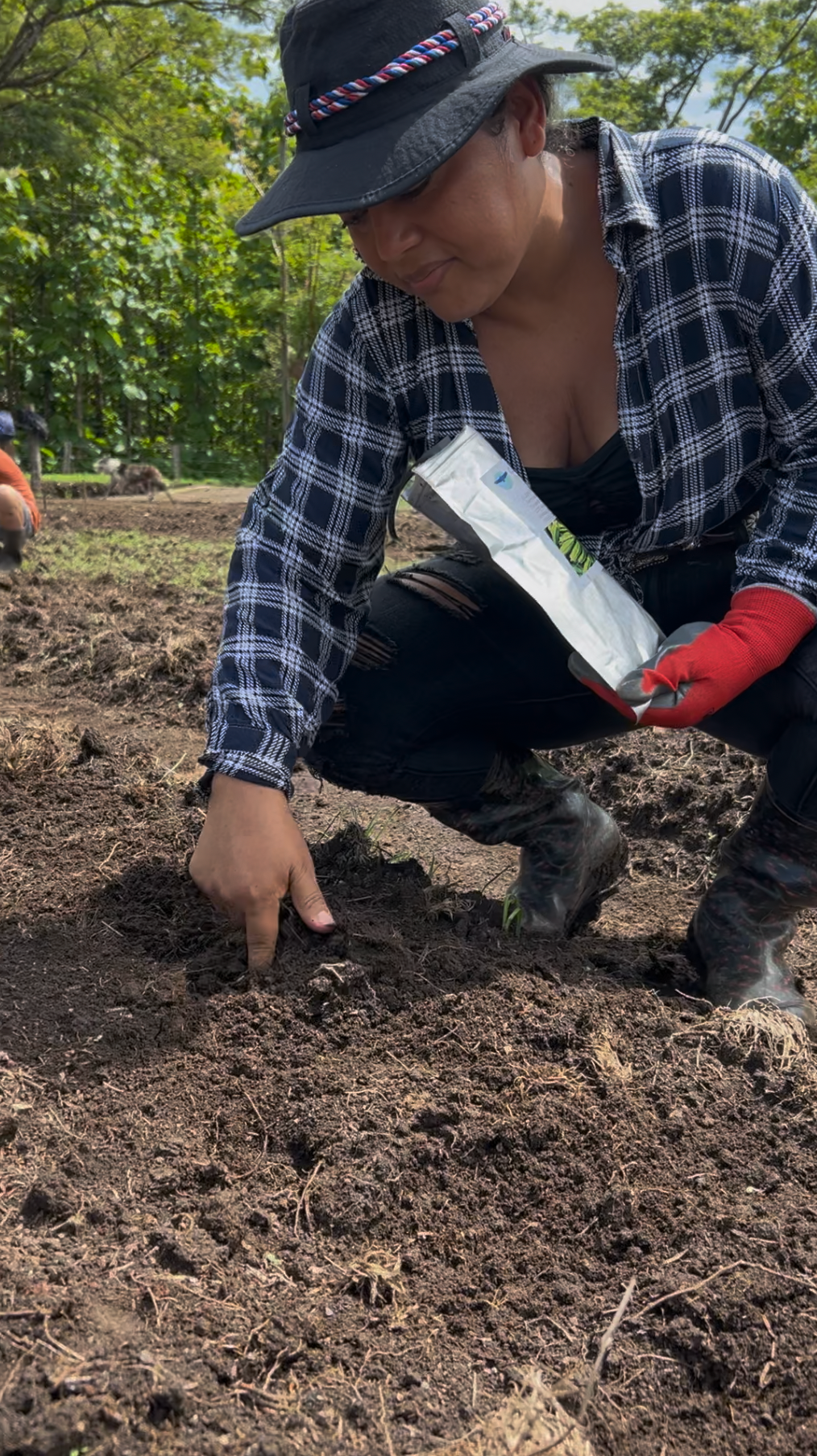
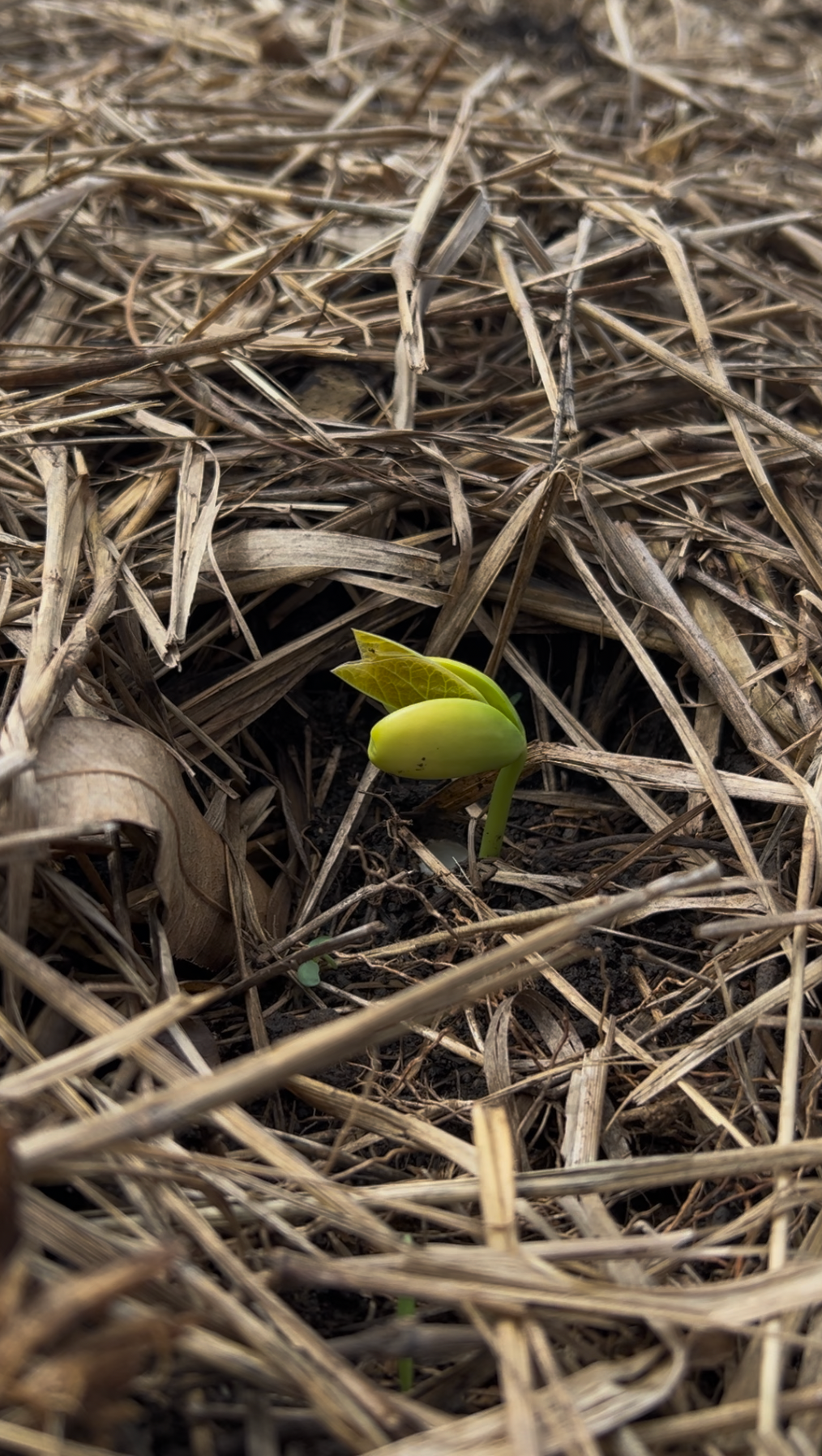
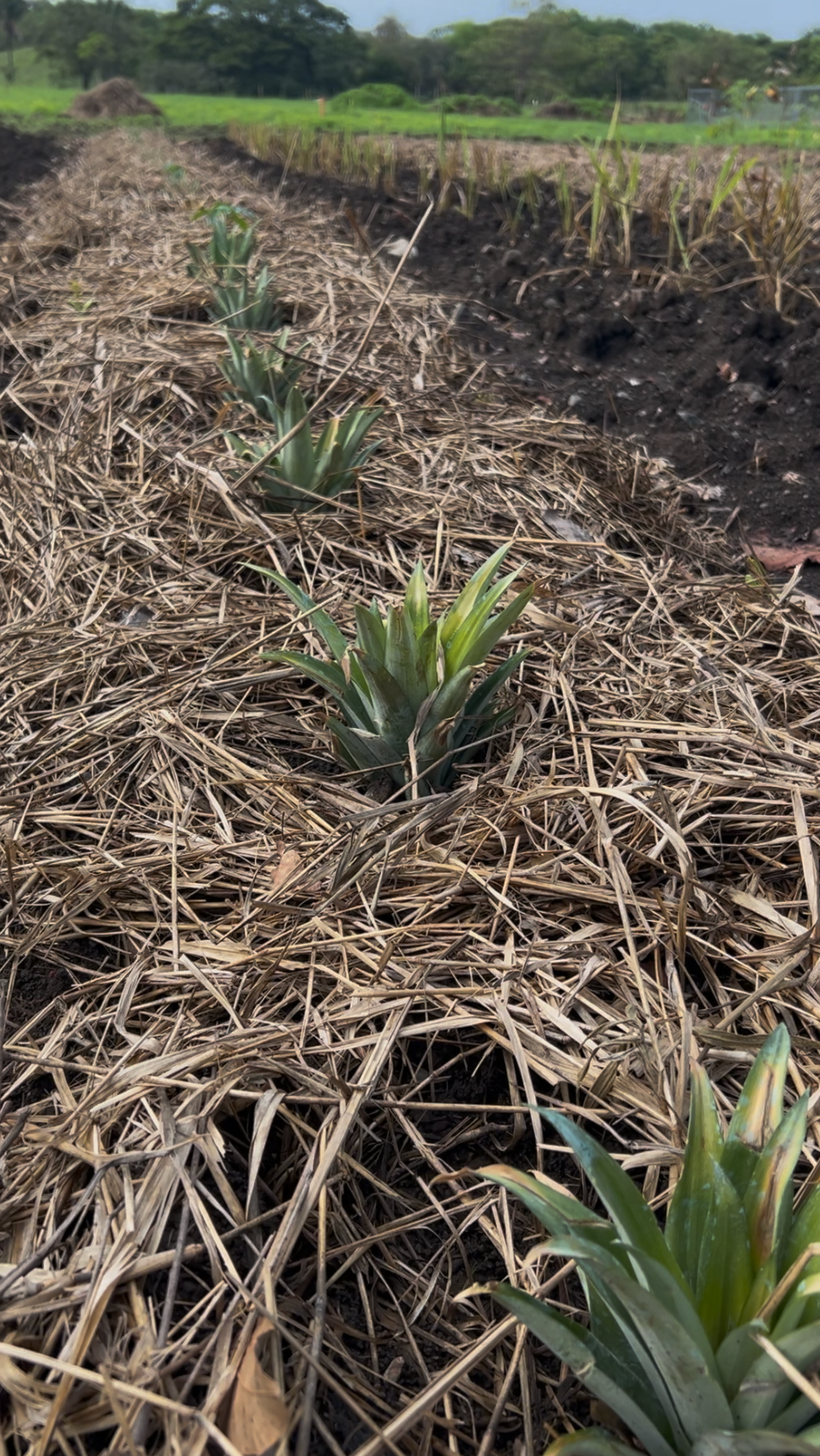
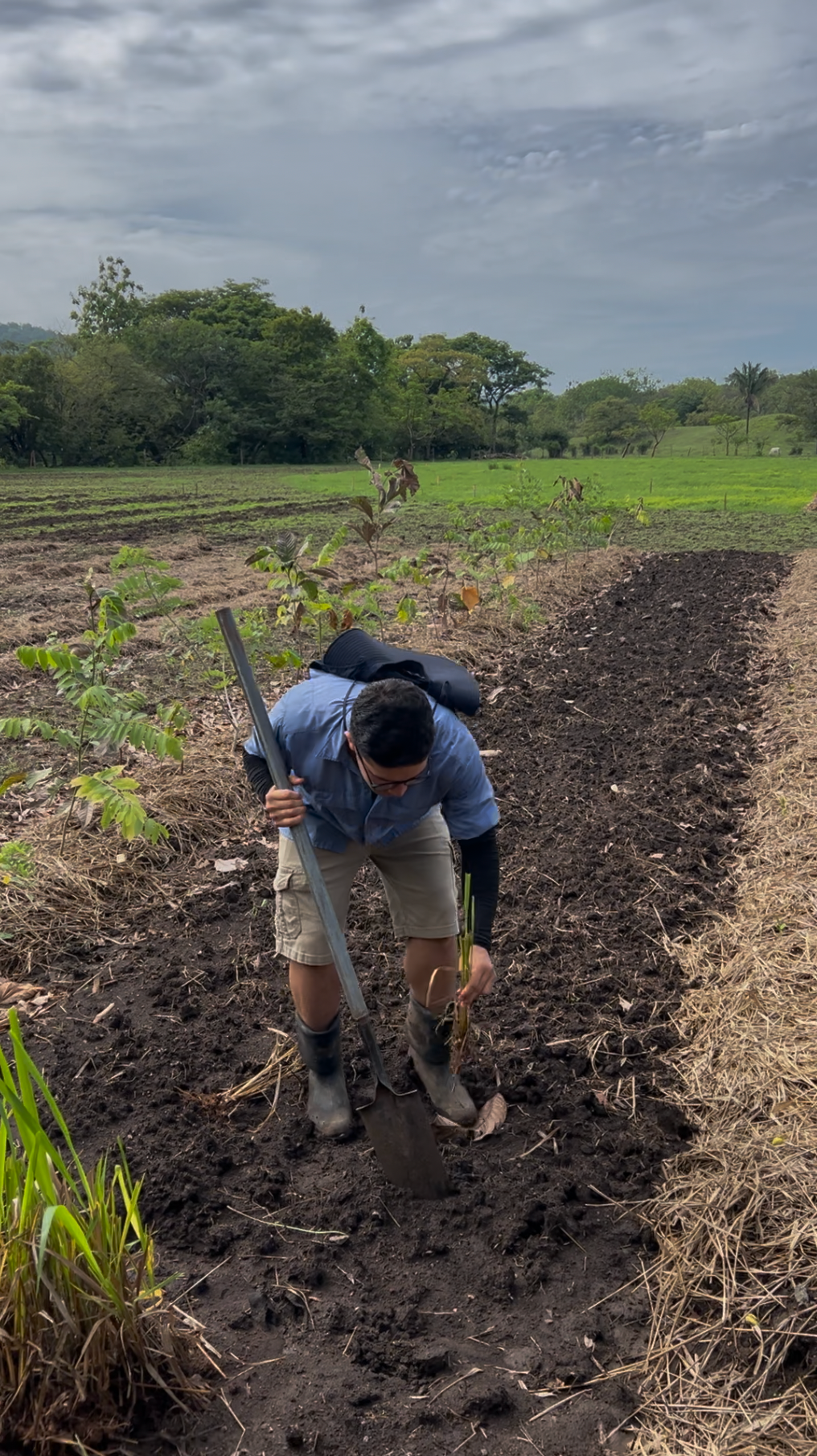
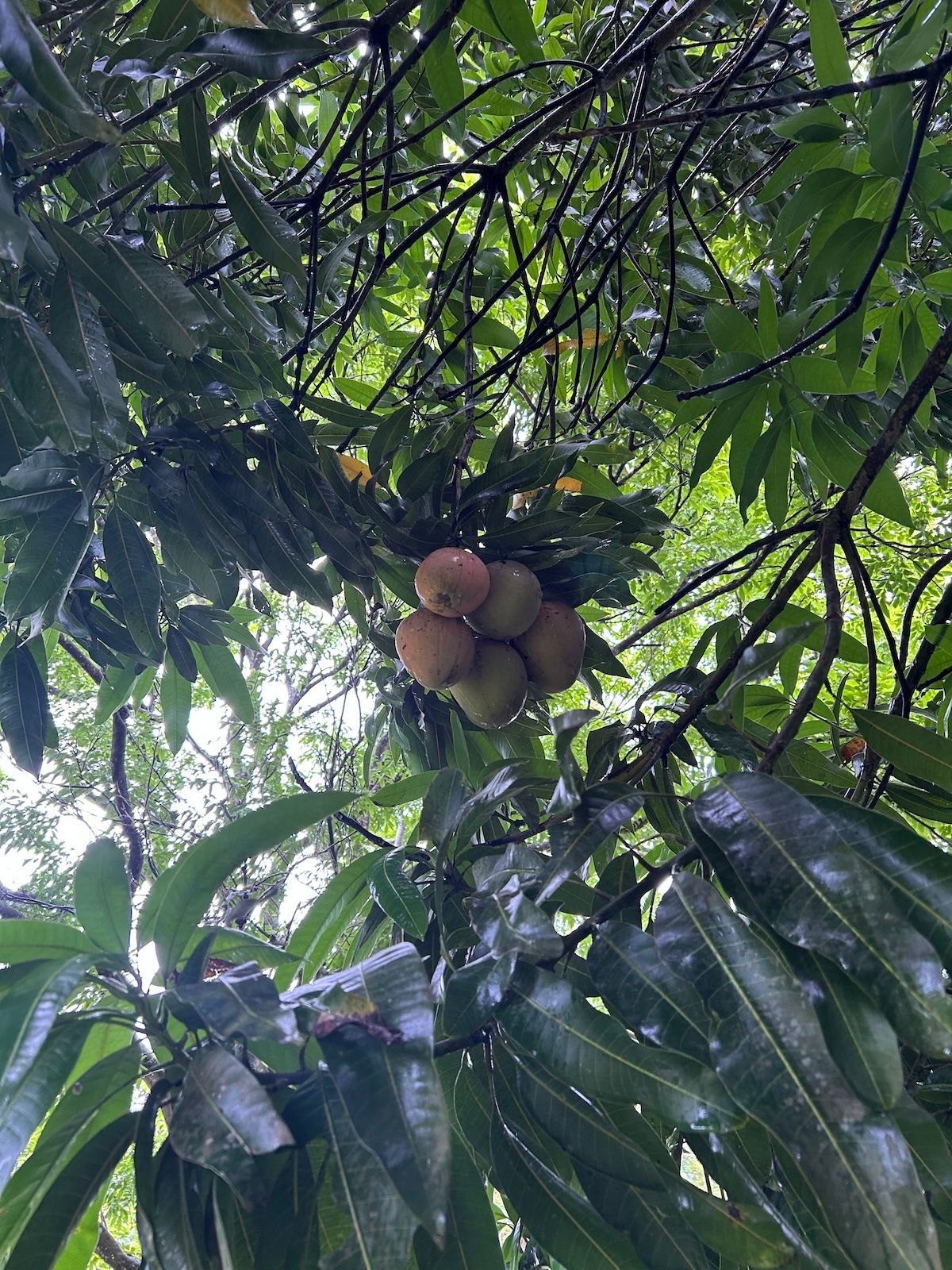
In syntropic agriculture, plants are arranged in guilds designed to cooperate across time, space, and species. Passion fruit climbs, while peanuts and starchy tubers root down. Guava and dragon fruit establish longer-term investments in productivity, and hardwood trees rise slowly toward a future canopy that brings homeostasis to the whole area. The system mirrors nature’s design of a forest, where growth is layered, continuous, and ever-evolving.
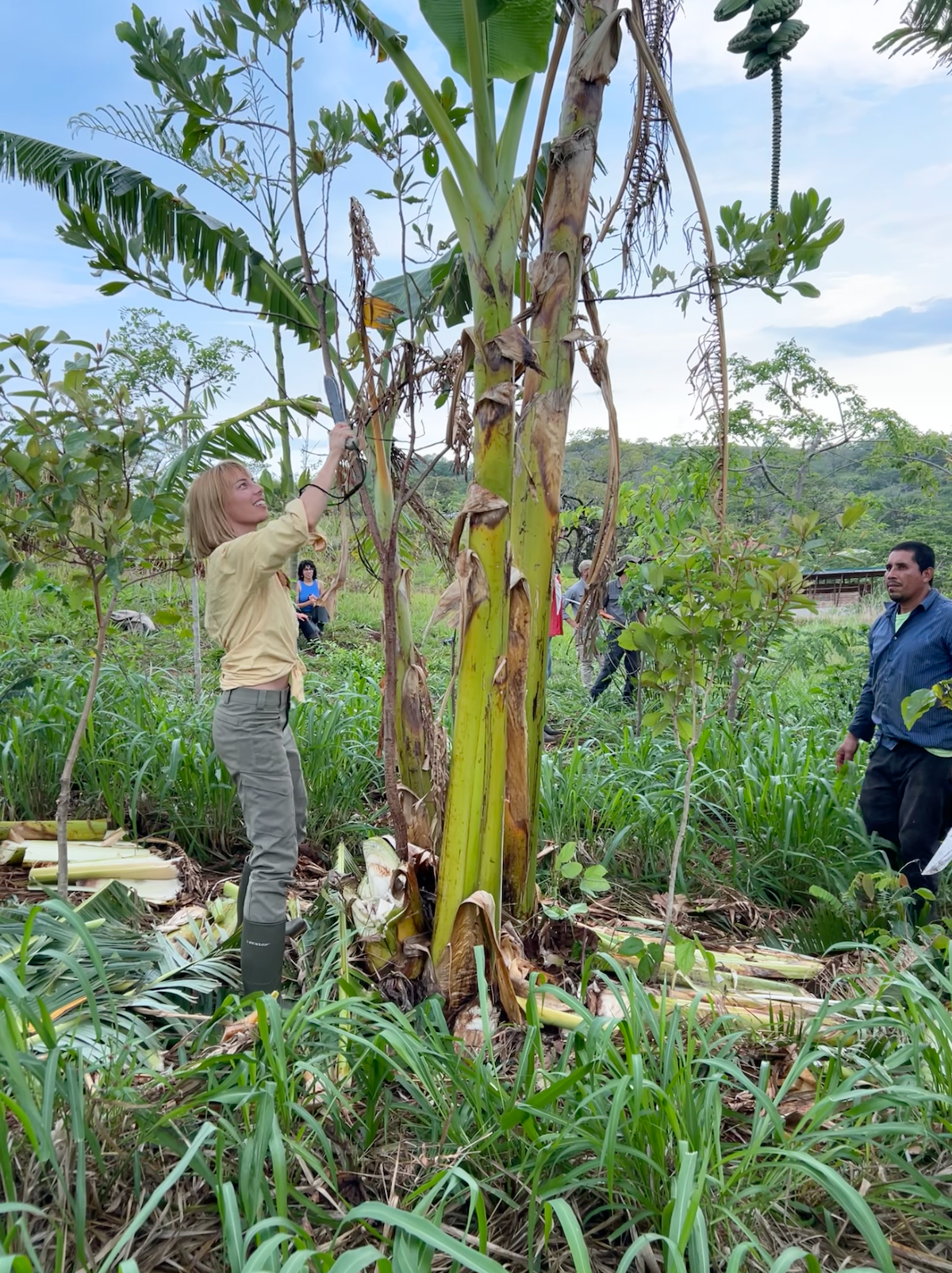
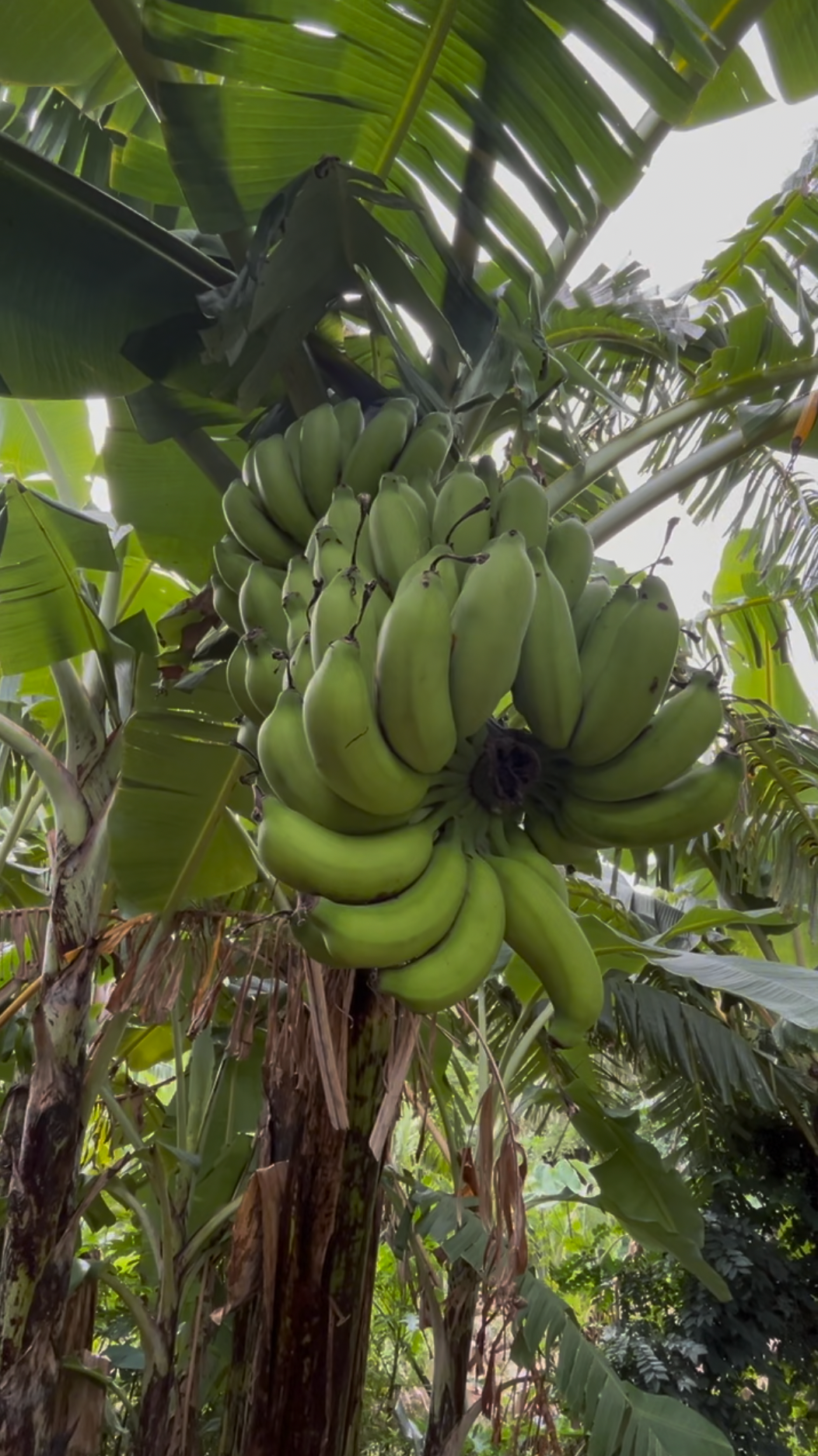
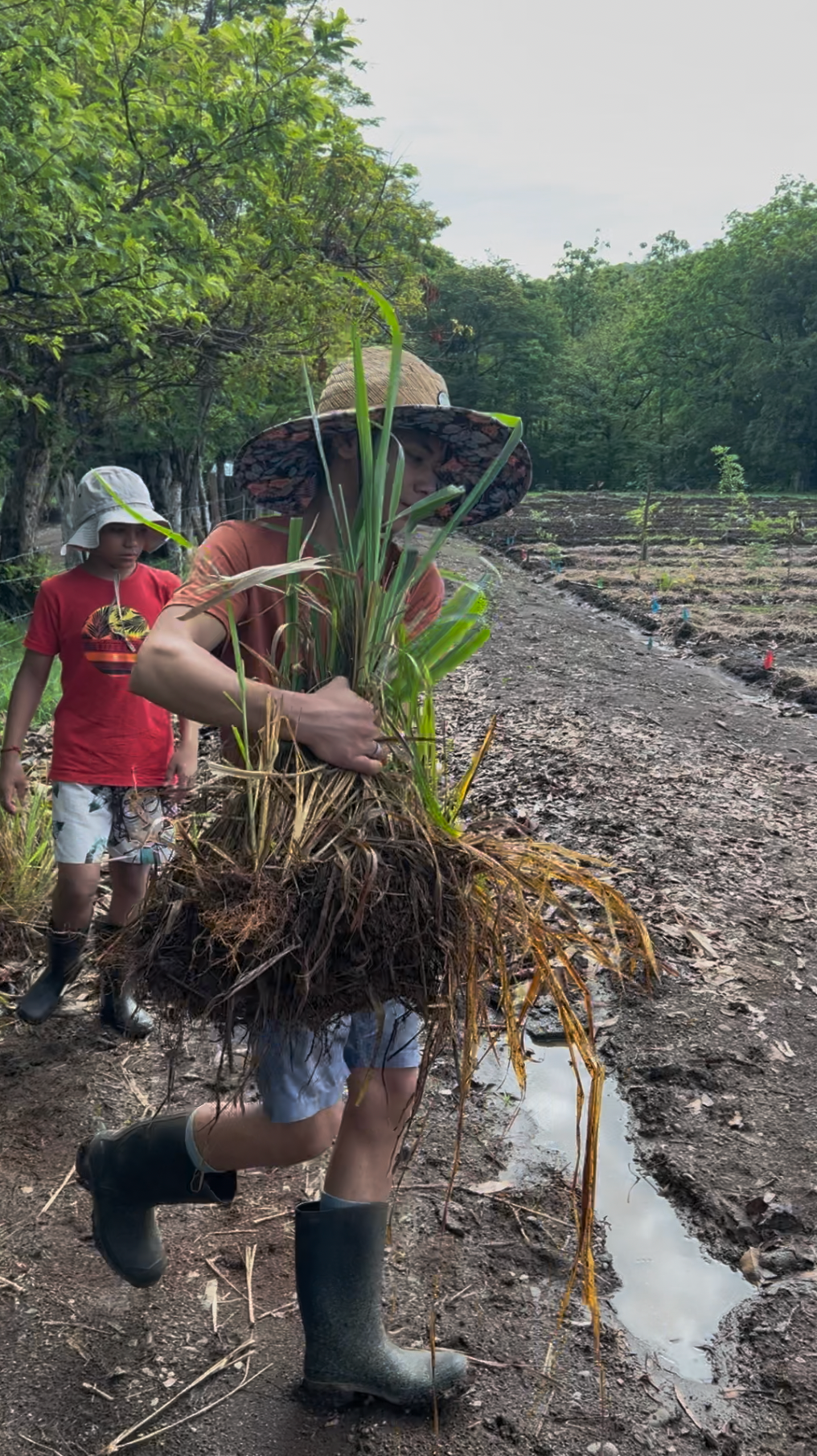
Throughout it all, Mombasa grass is planted densely and cut back repeatedly, feeding organic matter into the soil and fueling regeneration for generations to come. As the team works in rhythm, joking about moving like ants, the landscape transforms quickly, shaped by our collective movements in much the same way an ant mound can seem to appear out of nowhere.
Standing among these young plantings, it is hard not to feel the long view at work: an agricultural system designed not just to produce food, but to restore soil, repair lost knowledge of food sovereignty, and create a more enduring relationship between people and the land.
Rain Gardens
Seattle, Washington
Since 2011, the city of Seattle has provided rebates to cover the installation of rain-harvesting infrastructure because the region’s aging sewer system is often overwhelmed by heavy rainfall. During heavy storms, the rainwater mixes with sewage, picks up pollutants, and overflows into local waterways. When this happens, it harms water quality, damages ecosystems, and causes hazardous flooding. By encouraging homeowners and schools to install rain gardens, the city can slow runoff. This reduces pressure on the sewer system, directing the water instead to trickle into underground aquifers, where it gets filtered naturally by slowly moving through layers of minerals and sediment.
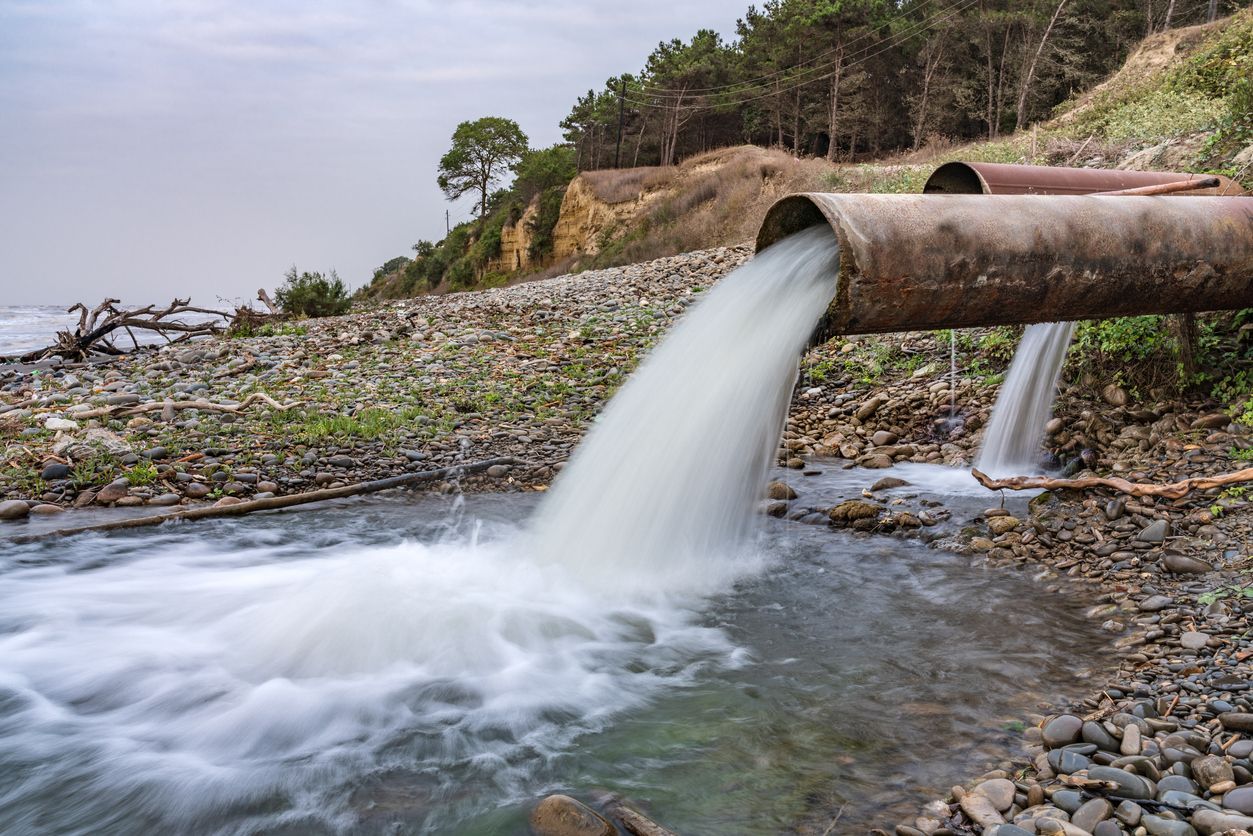
Urban landscapes in general face a growing challenge as concrete covers up topsoil. Healthy soil absorbs and filters rainwater, but concrete sends water rushing into storm drains, picking up pollutants (from vehicles, building materials, and chemical landscaping applications, to name a few), and dumps them directly into natural bodies of water. In Seattle, that body of water is the Puget Sound. It is one of the most lively and diverse aquatic ecosystems in the United States, supporting hundreds of species of fish, birds, marine mammals, and other aquatic creatures.
One of the most famous of the species it harbors are orca whales, who have become symbols for environmental action because of the rapidly increasing number of reports of them teaming up and sinking boats off the coast of Portugal. The Southern Resident Orcas of the Puget Sound are critically endangered due to human impacts. Their struggles with starvation, pollution, boat noise hindering their echolocation, and low reproduction make them a vivid reminder of the consequences of environmental harm. Protecting them requires addressing systemic ecological problems, and the attention they’re getting in the news is one way to get the message across.

When designing a rain garden, the first step is calculating the volume of water entering the area, including rainfall from rooftops, runoff from adjacent properties, and nearby creeks. Soil infiltration rates are tested, and proper setbacks from foundations and utilities are confirmed.
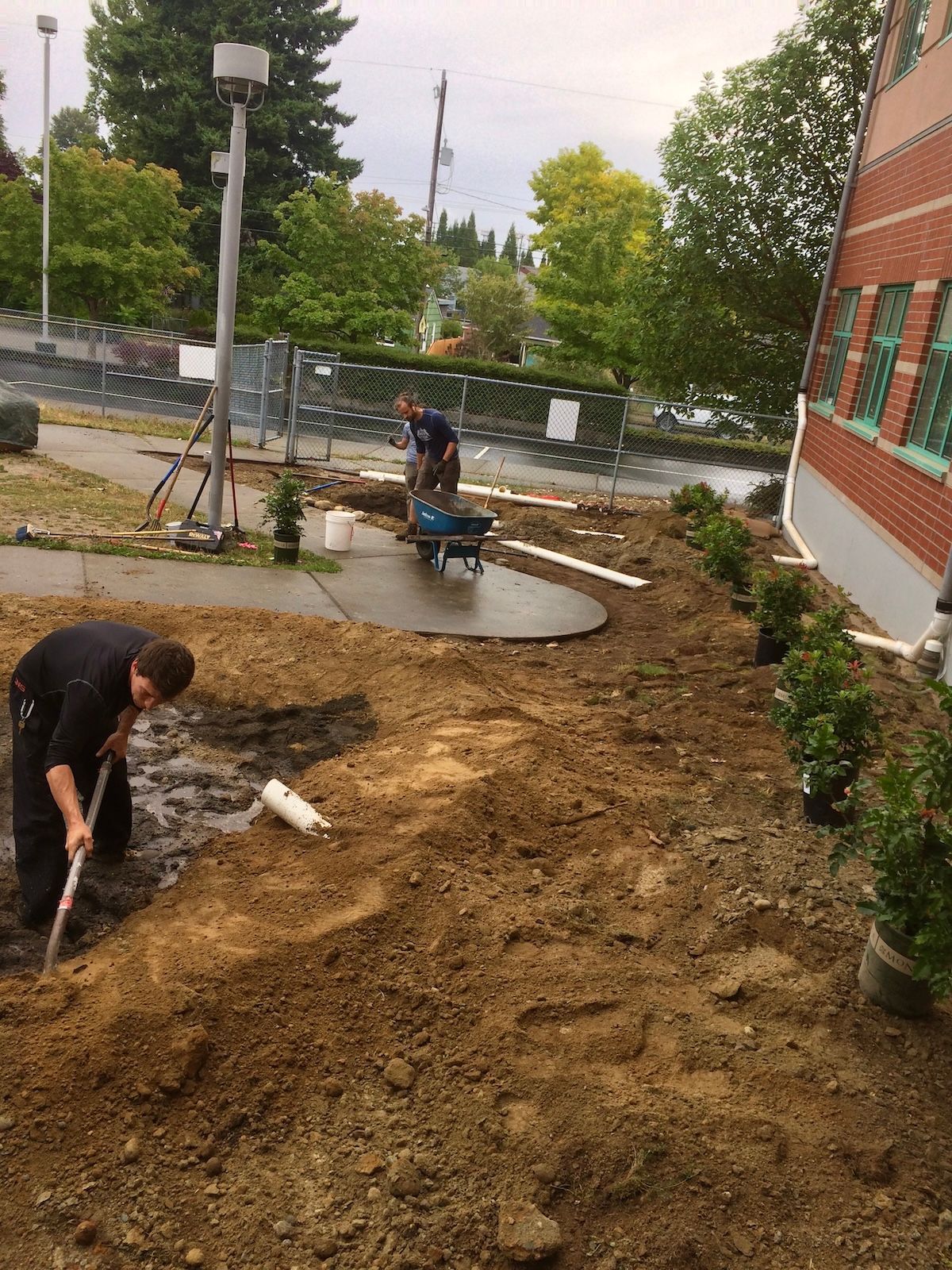
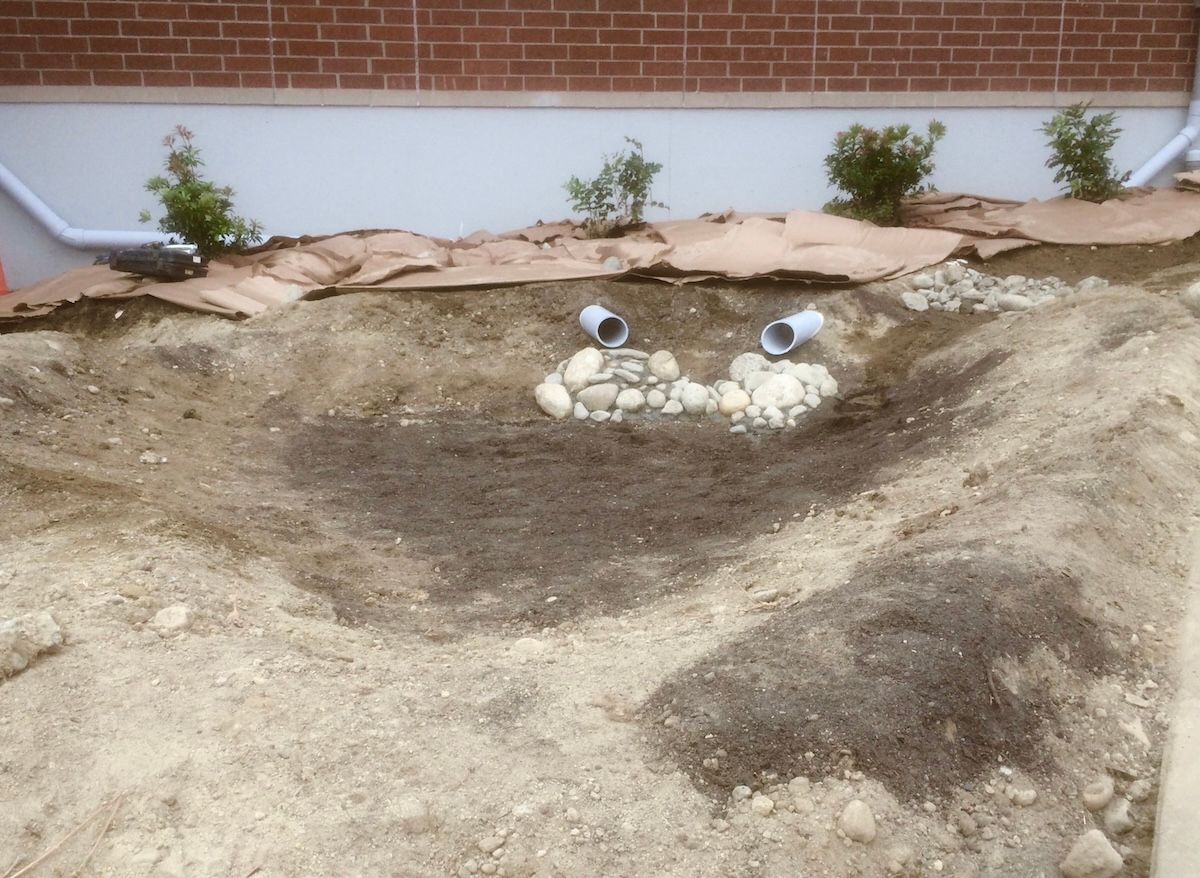
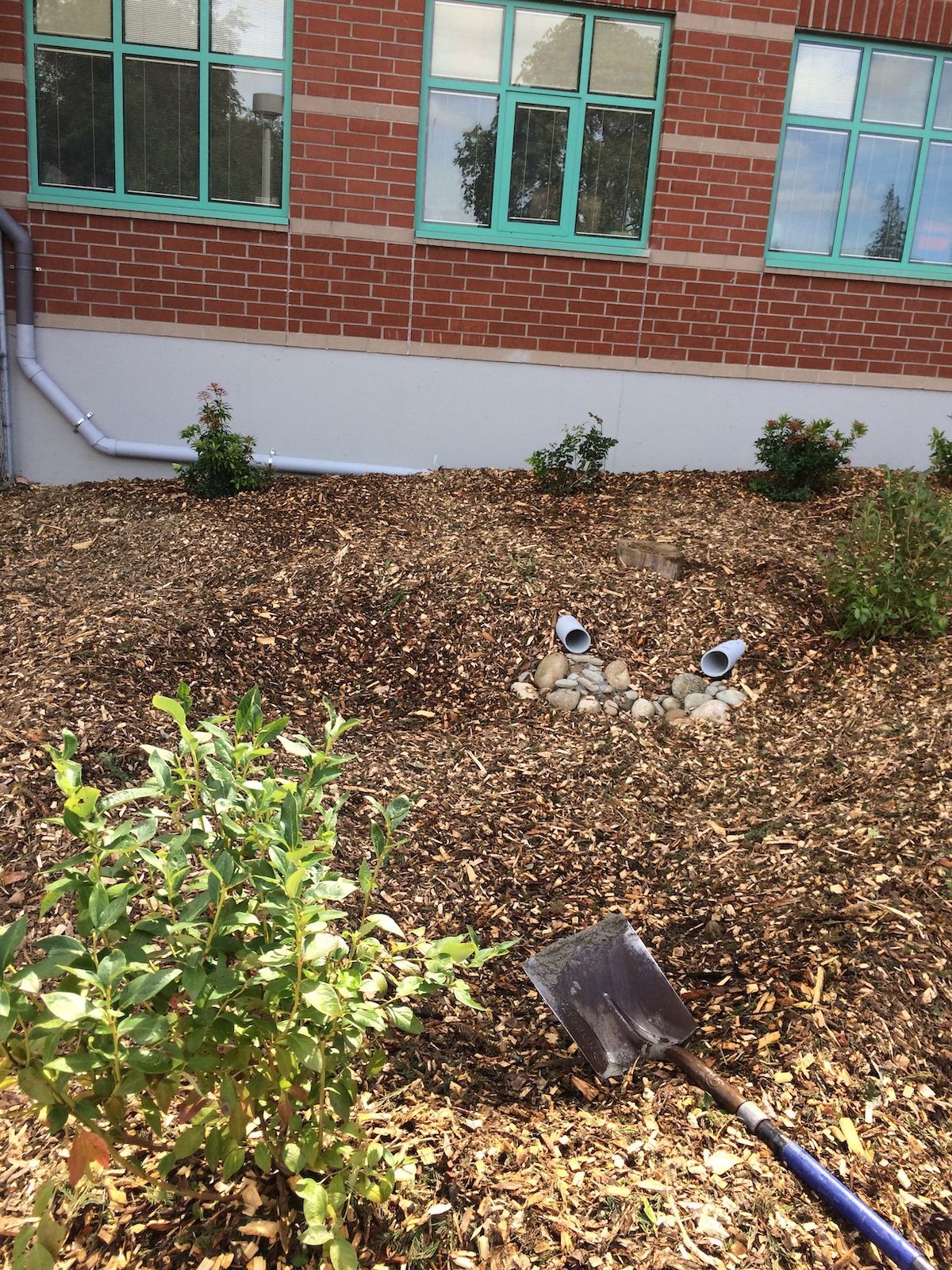
The rain garden is sized to capture local worst-case storm events, and is graded to create a level basin with a stable berm to hold the water as it sinks in. As an extra precaution, overflow pipes are included to prevent erosion of the berm and direct any possible overflow to the nearest storm drain.
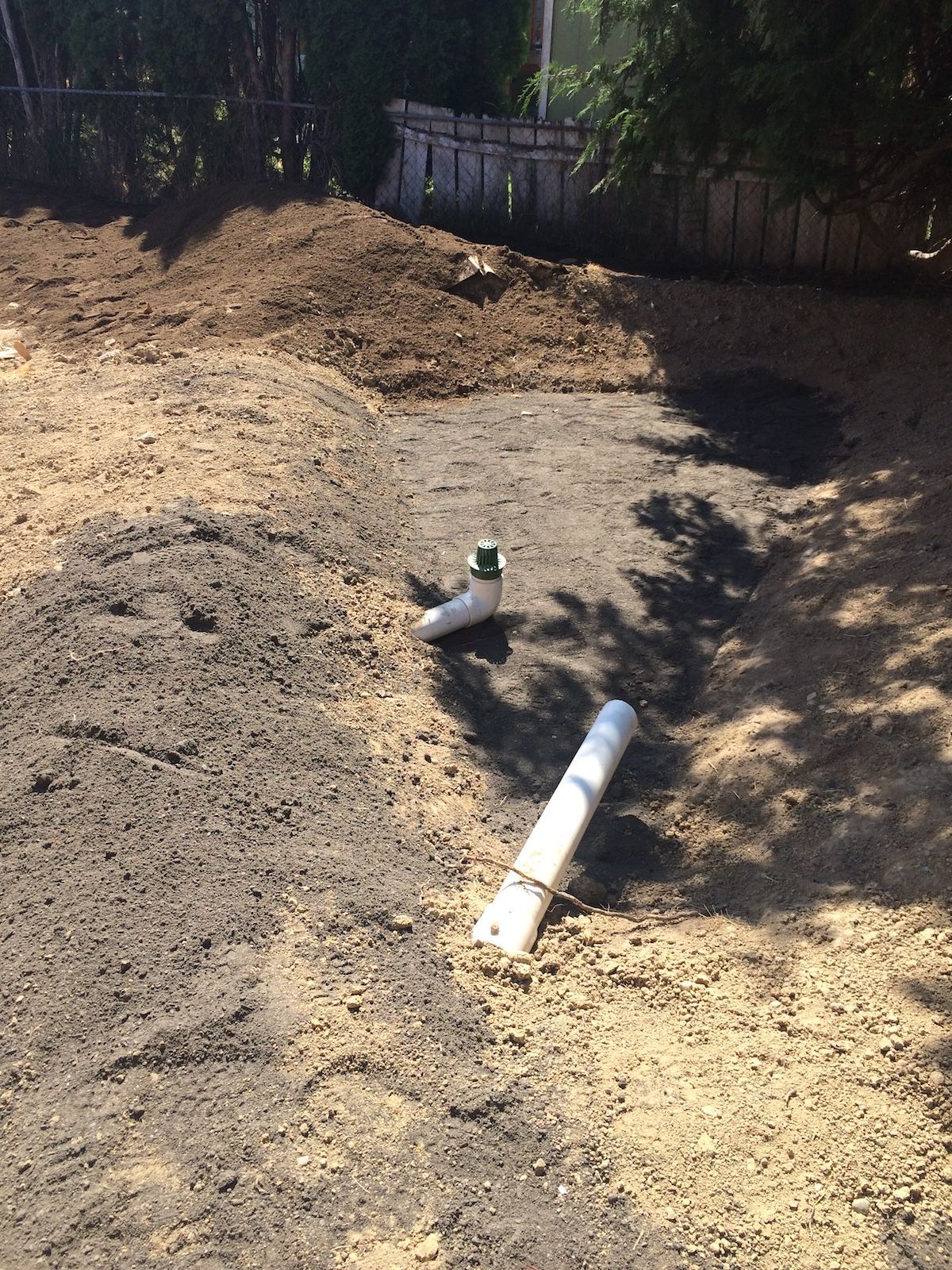
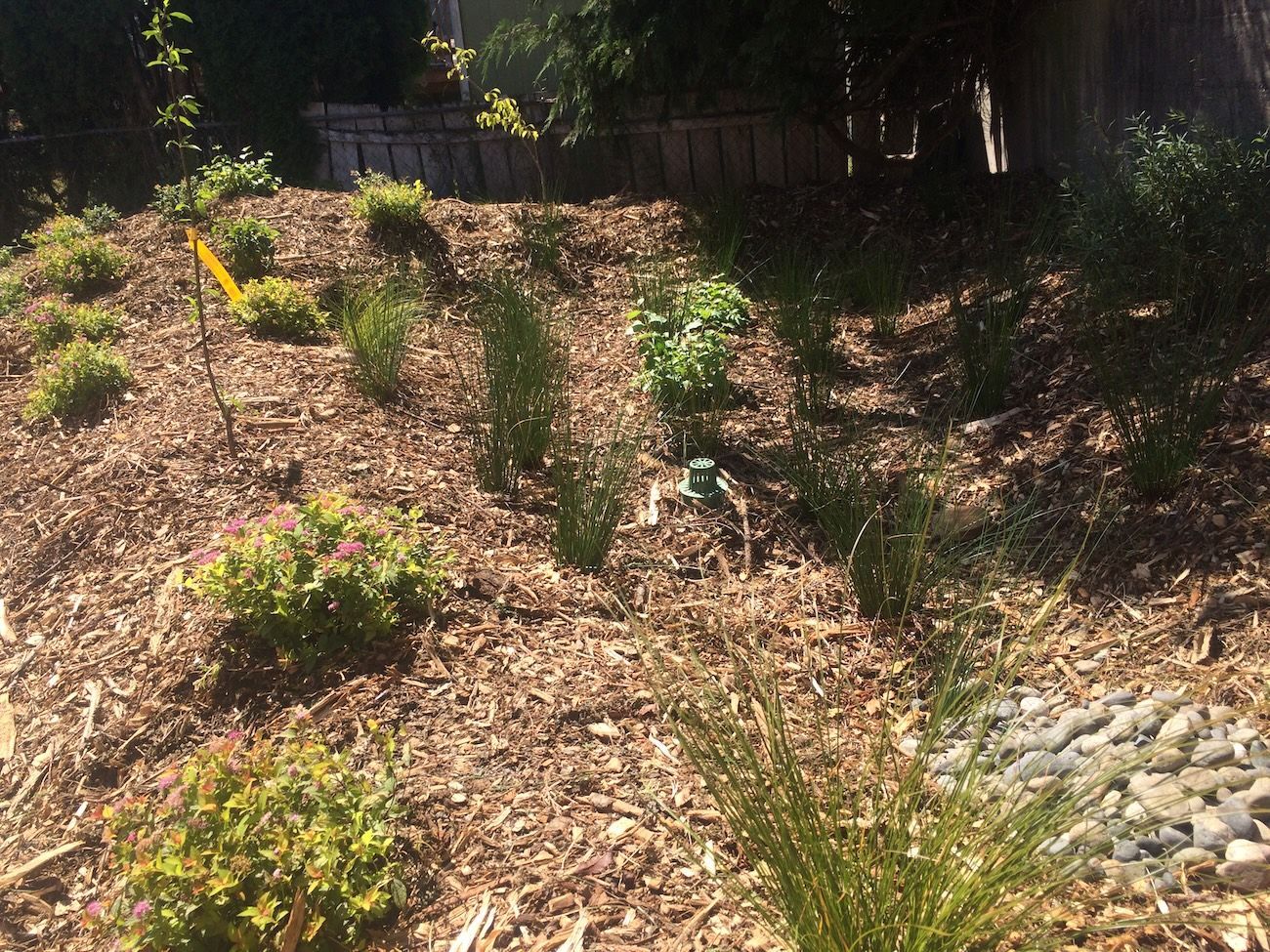
Installation involves excavating to the specified depth, adding an engineered soil mix for infiltration and filtration, and carefully selecting native plants adapted to wet and dry conditions. Deep-rooting species stabilize the soil and support pollutant breakdown. The garden is finished with mulch and a maintenance plan to inspect inlets, remove sediment, ensure plant establishment, and monitor drainage performance. A properly built rain garden should drain within 24 to 48 hours and continue functioning effectively for years.
We have two choices for the future:
We can work together to take care of the Earth and each other, or we can keep doing things the way we’ve been doing it, and watch things fall apart.
The future is in your hands.